Elevating Your Golf Game: Tips and Techniques for Every Player

Golf is a sport that combines physical ability, mental acuity, and strategic thinking, offering players a chance to continuously improve and refine their skills. Whether you are a beginner seeking to understand the basics or an experienced golfer looking to elevate your game, mastering essential techniques and developing effective practice routines can make a significant difference. This article will explore various aspects of improving your golf game, from swing mechanics to mental strategies, providing valuable insights for players of all levels.

At the core of any successful golf game is a solid grip. The grip is your only connection to the club, and its importance cannot be overstated. A proper grip ensures better control and consistency in your shots. There are several types of grips, including the overlapping grip, interlocking grip, and the ten-finger grip. Each has its advantages, so it’s essential to experiment with these styles to find which one feels most comfortable and allows for optimal control.

Once you establish a good grip, the next fundamental element is your stance. A balanced stance provides a solid foundation for your swing. Position your feet shoulder-width apart, with your weight evenly distributed. The ball should be aligned with the appropriate stance for each club; for example, position it more toward the front for drivers and more centrally for short irons. A good stance allows for better weight transfer during the swing, leading to more powerful and accurate shots.

Posture is another critical aspect to consider. Your posture should promote both comfort and stability. Bend slightly at the hips, keeping your back straight, and allow your arms to hang naturally from your shoulders. This position not only aids in maintaining balance throughout your swing but also helps to prevent strain or injury over time.

Once you have the basics down, it’s time to focus on the swing itself. The golf swing is a complex motion that can be broken down into several phases: the takeaway, the backswing, the downswing, and the follow-through. A smooth takeaway starts the swing on the right path, and a proper backswing sets you up for a powerful downswing.

During the downswing, it’s crucial to initiate the movement with your lower body. As your hips begin to rotate toward the target, your arms and club should follow, creating a natural sequence that maximizes club speed. Focus on maintaining a steady head position throughout the swing to ensure consistent contact with the ball. Finally, a complete follow-through is essential for balance and ensuring that you finish your swing in a controlled manner.

Incorporating a consistent practice routine is vital for improvement. Regular practice not only helps reinforce good habits but also builds muscle memory. Consider dedicating specific practice sessions to different aspects of your game, such as driving, iron play, chipping, and putting. A balanced approach will allow you to develop well-rounded skills.

One effective practice technique is the drill. Drills can target specific areas of your game, helping to correct flaws and enhance your strengths. For instance, if you struggle with your short game, spend dedicated time on chipping and pitching drills. Use alignment sticks to ensure proper alignment, and focus on maintaining a consistent rhythm.

Furthermore, it can be beneficial to incorporate video analysis into your practice routine. Recording your swing allows you to visually assess your mechanics and identify areas for improvement. Many golfers find that seeing their swing can reveal flaws that they may not feel during their practice. This visual feedback can be incredibly valuable in making necessary adjustments.

In addition to physical practice, mental preparation is an often-overlooked aspect of golf. The ability to maintain focus, stay positive, and manage emotions can significantly impact your performance on the course. Developing a pre-shot routine can help create a consistent mental approach to each shot. This routine might include visualizing your target, taking a few practice swings, and focusing on your breathing to calm any nerves.

Staying positive throughout your game is also crucial. Golf is a challenging sport that often involves facing setbacks. Developing resilience and a positive mindset can help you bounce back from poor shots and maintain your confidence. Remember that every golfer has off days; the key is to stay committed to your practice and maintain a love for the game.

As you work to enhance your skills, don’t forget the importance of course management. Understanding how to play the course strategically can lead to better scoring. Familiarize yourself with the layout of the course, paying attention to hazards, green slopes, and ideal landing zones. Developing a strategy for each hole can help you make informed decisions that lead to lower scores.

Finally, play regularly with a variety of players. Competing against different skill levels can expose you to new strategies and techniques. Observing how others approach their game can provide fresh insights and ideas that you can incorporate into your own play.

In summary, enhancing your golf game is an ongoing journey that involves mastering techniques, developing practice routines, and nurturing a positive mental attitude. By focusing on grip, stance, posture, and swing mechanics, you can build a strong foundation. Consistent practice, combined with effective drills and mental strategies, will propel you to new heights on the course. Embrace the process, stay patient, and enjoy every moment of your golfing experience. Whether you are teeing off on a sunny day or challenging yourself in a competitive round, remember that each swing is an opportunity for growth and enjoyment in this beautiful game.


Dive Into Adventure: A Comprehensive Guide to Underwater Activities

Diving into the underwater world is an adventure that captivates the hearts and minds of countless individuals around the globe. With a plethora of diving disciplines available, each offers unique experiences that cater to different interests and skill levels. From the tranquil surface waters perfect for snorkeling to the exhilarating depths explored in technical diving, the ocean is a vast playground for exploration and discovery. This article provides an overview of various diving activities, celebrating the beauty and excitement they bring.

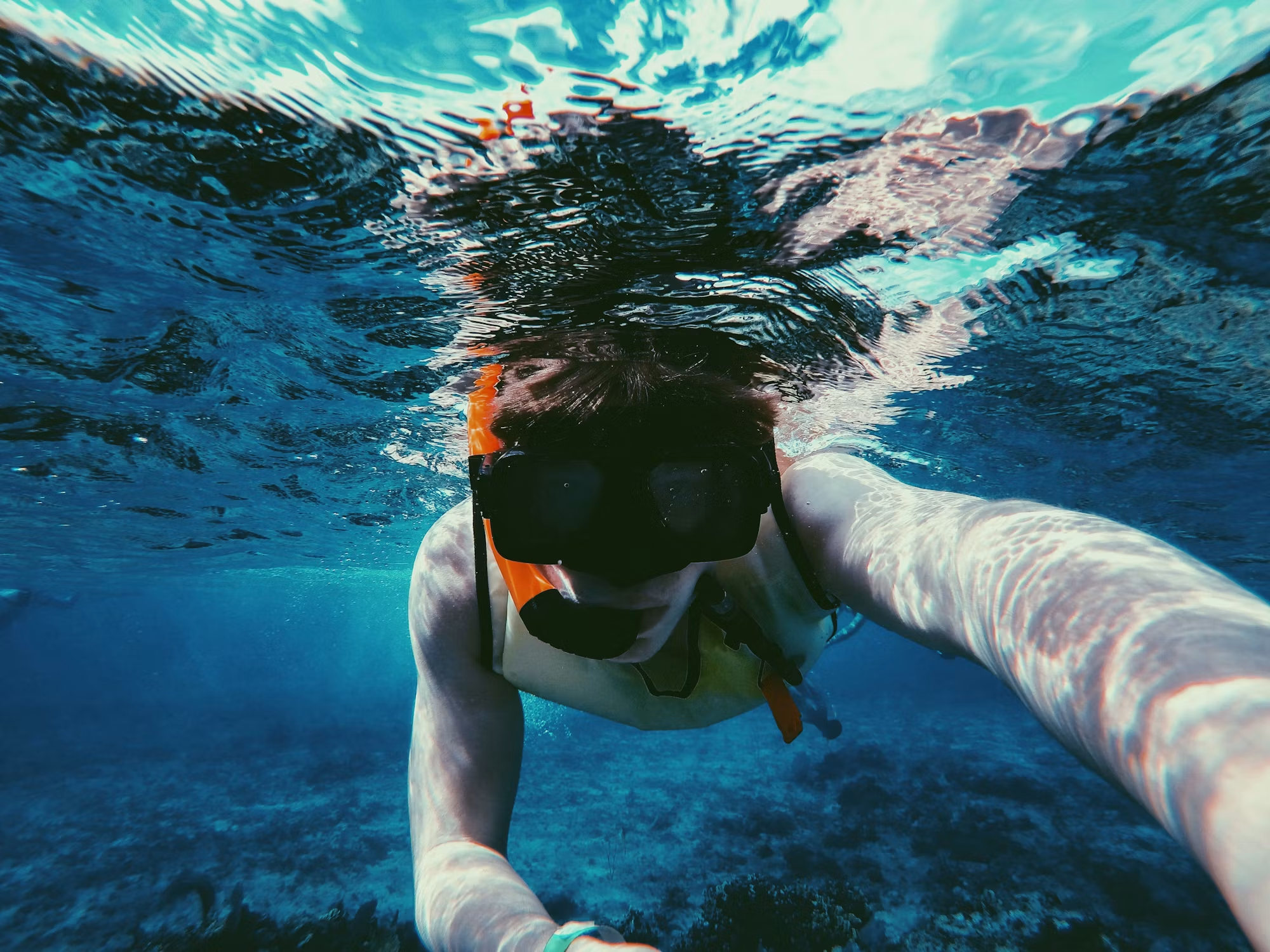
Starting with one of the most accessible forms of underwater exploration, snorkeling allows individuals to experience the magic of marine life with minimal equipment. All that is needed is a mask, snorkel, and fins, making it an ideal choice for families and beginners. Snorkelers can glide along the surface of shallow waters, observing vibrant coral reefs and colorful fish without the complexities of diving gear. This simplicity not only invites more people to engage with the ocean but also fosters a deeper appreciation for marine ecosystems.

Many who start with snorkeling find themselves enchanted by the underwater world, leading them to explore further through scuba diving. Scuba diving, which utilizes self-contained underwater breathing apparatus, opens up an entirely new dimension of exploration. With proper training and certification, divers can delve deeper into the ocean, experiencing the serenity and wonder of underwater landscapes. The thrill of descending into the blue, surrounded by schools of fish and intricate coral formations, is a transformative experience for many.

One of the most appealing aspects of scuba diving is its accessibility. Numerous dive shops and organizations offer courses for beginners, teaching essential skills and safety protocols. Once certified, divers can explore a variety of environments, from colorful coral reefs to fascinating shipwrecks. Each dive presents an opportunity to encounter diverse marine life, enhancing the overall experience and often inspiring a commitment to ocean conservation.

For those seeking even greater challenges, technical diving provides an exciting avenue for exploration. This advanced discipline requires specialized training and equipment, enabling divers to explore deeper waters and navigate complex underwater environments, such as caves and wreck sites. Safety is a primary concern in technical diving, as divers must learn advanced skills, including gas management and emergency procedures. The allure of discovering hidden treasures and unexplored underwater realms adds to the excitement of this thrilling pursuit, attracting seasoned divers eager to push their limits.

Another unique discipline within the diving world is freediving, or apnea diving. Unlike scuba diving, freediving relies solely on breath-holding techniques, allowing individuals to explore depths without any breathing apparatus. This discipline emphasizes relaxation, mental focus, and physical conditioning, making it a deeply immersive experience. Many freedivers find joy in the challenge of holding their breath and exploring underwater without the constraints of equipment. Competitive freediving has also gained popularity, with disciplines that showcase remarkable breath-holding abilities and swimming techniques. The connection to the ocean through freediving can be both exhilarating and meditative, drawing many into its depths.

For those who wish to pursue diving as a career, commercial diving offers a wealth of opportunities in various industries. This discipline involves working underwater in fields such as construction, maintenance, and marine research. Commercial divers undergo rigorous training to develop the skills necessary for their work, which often takes place in challenging underwater conditions. Safety is paramount in commercial diving, as divers must adhere to strict protocols while operating heavy machinery and navigating complex environments. For individuals passionate about the ocean and eager to contribute to its exploration, commercial diving can provide a fulfilling career path.

Underwater photography and videography have also become increasingly popular among divers. Equipped with specialized cameras designed for underwater use, divers can capture stunning images of marine life and breathtaking underwater landscapes. This discipline requires both an understanding of photography techniques and the ability to navigate underwater environments. The joy of documenting remarkable moments enhances the diving experience, encouraging divers to explore new locations and share their adventures with others. Many divers take pride in their underwater photography, using it as a tool to raise awareness about marine conservation and the importance of protecting ocean ecosystems.

Cave diving presents an exhilarating and adventurous form of diving that invites participants to explore submerged cave systems. This discipline requires specialized training due to the unique challenges posed by confined spaces and potential hazards. Cave divers encounter breathtaking geological formations and ecosystems, making this form of diving both thrilling and rewarding. The allure of uncovering hidden passages and exploring the mysteries of underwater caves draws many to the challenges of cave diving, providing unforgettable experiences that linger long after the dive.

Ice diving is another unique form of underwater exploration, allowing divers to venture beneath frozen surfaces. This discipline requires specific skills and equipment to manage the challenges presented by cold temperatures and limited visibility. Ice divers typically work in teams, using ropes and surface support to ensure safety while experiencing the stunning beauty of ice formations. The tranquility and unique landscapes found in frozen waters offer an extraordinary opportunity to connect with the ocean in a different way, making ice diving a remarkable experience for adventurous divers.

Night diving presents divers with the chance to explore the underwater world after sunset. Equipped with specialized lights, divers can venture into the ocean during nighttime hours, unveiling a hidden realm filled with nocturnal marine life. Many species exhibit different behaviors after dark, making night dives an exciting opportunity for observation and discovery. However, safety remains a priority during night diving; proper preparation and familiarity with the surroundings are essential for ensuring a safe and enjoyable experience. The underwater world transforms at night, providing a unique perspective that many divers cherish.

Reef diving continues to be one of the most cherished forms of diving, drawing individuals eager to explore the vibrant biodiversity of coral reefs. These ecosystems provide an incredible opportunity to observe a wide array of marine life in their natural habitats. The visual spectacle of colorful corals and the myriad creatures that inhabit these environments create stunning underwater vistas. Many divers develop a strong commitment to advocating for the protection and conservation of these fragile ecosystems, recognizing the importance of preserving them for future generations.

Wreck diving invites divers to connect with history while exploring the remains of sunken ships, aircraft, or artificial reefs. Each wreck tells a unique story, offering insights into the past while also providing opportunities for marine life observation and exploration. The thrill of uncovering the mysteries surrounding a wreck can be captivating, as divers discover the ecosystems that have developed around these submerged structures. Proper training and safety measures are essential for wreck diving, ensuring that divers can explore these fascinating sites while managing potential hazards.

In conclusion, the world of diving offers an abundance of opportunities for exploration, adventure, and personal growth. From the tranquil beauty of snorkeling to the exhilarating challenges of technical diving, each discipline provides something unique for enthusiasts and newcomers alike. Diving fosters a deep connection to nature and inspires many to advocate for ocean preservation. Whether you’re a seasoned diver or just beginning your journey, the underwater world awaits, ready to unveil its wonders and secrets, inviting you to explore its depths and share in its beauty.

Bowl Riding: The Thrills and Skills of Skatepark Culture

Bowl riding has emerged as one of the most thrilling and dynamic forms of skateboarding, capturing the essence of both creativity and athleticism. Originating from the early days of skateboarding when skaters sought out empty swimming pools, bowl riding has evolved into a sophisticated discipline that showcases the skills of riders in dedicated skateparks. This article delves into the history of bowl riding, the techniques that define it, and the vibrant community that surrounds this captivating aspect of skateboarding.

The roots of bowl riding can be traced back to the 1970s when surfers in California sought to replicate the feeling of riding waves on land. They discovered that empty pools offered a unique opportunity to perform aerial tricks and carve the walls. This experimentation laid the groundwork for what would become a defining characteristic of skateboarding. As skaters honed their skills, the concept of purpose-built bowls began to emerge, leading to the creation of skateparks that cater specifically to bowl riders.

A bowl is typically a large, concave structure with steep sides designed for skaters to gain speed and perform tricks. These features allow riders to generate momentum as they carve along the walls, making it possible to execute a wide range of maneuvers. Bowl riding is not just about speed; it requires a combination of balance, control, and creativity. Riders often push the boundaries of what is possible, continuously innovating and developing new tricks.

One of the most exciting aspects of bowl riding is the sense of flow it provides. Riders seamlessly transition from one trick to another, creating a rhythm that is mesmerizing to watch. The ability to link tricks together while maintaining speed is a hallmark of skilled bowl riders. Whether it’s a smooth carve followed by an aerial grab or a quick grind on the coping, the fluidity of bowl riding is a testament to the rider’s skill and experience.

To excel in bowl riding, skaters must master several key techniques. Carving is fundamental, as it allows riders to generate speed and control their trajectory. By shifting their weight and using their legs to guide the board, skaters can navigate the contours of the bowl. Pumping is another essential technique, enabling riders to gain momentum without pushing off the ground. This technique is crucial for maintaining speed while transitioning between different sections of the bowl.

Aerial tricks, which involve launching off the lip of the bowl and performing spins or grabs in the air, add an exhilarating element to bowl riding. These tricks require a combination of confidence, timing, and precision. Riders must learn to read the lip of the bowl and anticipate their trajectory to land safely. The thrill of catching air and landing smoothly is a significant draw for many bowl riders, pushing them to continuously improve and attempt more complex tricks.

As bowl riding has gained popularity, so too has the development of skateparks designed specifically for this discipline. Modern skateparks feature a variety of bowl shapes and sizes, catering to riders of all skill levels. From deep bowls that challenge experienced skaters to shallow ones ideal for beginners, the diversity of features ensures that there is something for everyone. These parks also serve as community hubs, bringing together skaters from different backgrounds to share their passion for riding.

The sense of community in bowl riding is one of its most appealing aspects. Skaters often gather at local parks, forming friendships and encouraging one another to push their limits. This camaraderie is integral to the culture of bowl riding, as it fosters an environment of support and shared enthusiasm. Riders often exchange tips and techniques, helping each other improve their skills and confidence.

Competitions and events have also become a significant part of the bowl riding culture. Skate contests showcase the talents of both amateur and professional riders, drawing large crowds and inspiring participants. These events not only provide an opportunity for skaters to demonstrate their skills but also foster a sense of belonging and recognition within the community. Many riders aspire to compete at high levels, further motivating them to refine their techniques and expand their repertoire of tricks.

As bowl riding continues to grow, so does its influence on popular culture. Skateboarding has found its way into films, music, and fashion, with bowl riders often featured prominently in these representations. The aesthetic of skateboarding, characterized by bold graphics and casual styles, has become a cultural phenomenon that transcends the sport itself. This cross-pollination between skate culture and mainstream media has helped elevate the status of bowl riding and skateboarding as a whole.

Safety remains a crucial consideration for bowl riders. While the thrill of high-speed riding and aerial tricks is enticing, it’s essential for skaters to prioritize their well-being. Wearing protective gear such as helmets, knee pads, and elbow pads is highly recommended, especially for those attempting more advanced tricks. Practicing safety measures and developing a strong awareness of one’s surroundings can help mitigate the risk of injury.

In recent years, bowl riding has also embraced diversity and inclusivity, welcoming riders from various backgrounds and genders. More women and underrepresented groups are participating in the sport, contributing to a richer and more vibrant community. Organizations and initiatives aimed at promoting diversity in skateboarding have emerged, fostering an environment where everyone feels empowered to ride and express themselves.

Looking ahead, the future of bowl riding appears bright. As skateparks continue to evolve and new riders enter the scene, the possibilities for innovation and creativity are endless. The ongoing development of skateboarding techniques and styles will likely lead to even more exciting tricks and maneuvers, pushing the boundaries of what is possible in the bowl.

In conclusion, bowl riding encapsulates the spirit of skateboarding, blending athleticism, creativity, and community. The art of carving, pumping, and executing tricks in a bowl offers riders an exhilarating experience that is both challenging and rewarding. As bowl riding continues to thrive, its influence on skateboarding culture and its ability to foster connections among riders will ensure its place as a beloved discipline for years to come.

Diving Adventures: Discovering the Depths of the Ocean

Diving offers a thrilling way to explore the mysteries of the underwater world. From the coral gardens of tropical reefs to the serene depths of the ocean, diving allows enthusiasts to connect with nature in a unique and profound way. This article delves into the various types of diving, each providing distinct experiences and opportunities for adventure. Whether you are a seasoned diver or a curious beginner, the ocean’s depths have something to offer everyone.

Scuba Diving: The Ultimate Underwater Experience
Scuba diving is perhaps the most recognized form of underwater exploration. Utilizing self-contained underwater breathing apparatus, divers can venture into the depths for extended periods, allowing them to witness the beauty of marine ecosystems firsthand. With the availability of diving schools around the globe, learning to scuba dive has never been more accessible. Certification courses provide the necessary skills and knowledge to dive safely, enabling adventurers to explore underwater worlds that few get to experience.

Renowned destinations for scuba diving include the Great Barrier Reef in Australia, where divers can marvel at an astonishing array of coral and marine life. Other exceptional sites include the vibrant waters of the Caribbean, teeming with tropical fish, and the historical wrecks of the Red Sea, which offer glimpses into the past while serving as artificial reefs. Scuba diving not only provides breathtaking visuals but also fosters an appreciation for the delicate balance of marine ecosystems.

Technical Diving: Beyond the Limits
For those who seek to explore the ocean’s depths further, technical diving presents an exciting challenge. This advanced form of diving requires specialized training and equipment, enabling divers to navigate complex underwater environments, including caves and deep wrecks. Technical diving often involves longer bottom times and requires careful planning and execution to ensure safety.

Trained technical divers use various gas mixtures and adhere to strict decompression protocols to explore depths that are unreachable for recreational divers. Locations such as the cave systems of Mexico and the sunken ships in the Mediterranean provide thrilling opportunities for exploration, where divers can witness stunning geological formations and unique aquatic life. The challenges of technical diving not only enhance a diver’s skills but also deepen their understanding of the underwater world.

Freediving: The Art of Breath-Holding
Freediving, or apnea diving, offers a unique and meditative approach to underwater exploration. Relying solely on breath-holding techniques, freedivers immerse themselves in the ocean’s depths without the assistance of bulky equipment. This discipline encourages a profound connection to the water, fostering mindfulness and self-awareness. Freediving promotes a deep appreciation for the underwater environment, allowing individuals to explore freely while honing their breath-holding capabilities.

Competitive freediving has gained popularity, featuring various disciplines such as static apnea, dynamic apnea, and depth events. Locations like the Blue Hole in Dahab, Egypt, serve as perfect spots for freedivers to practice and showcase their skills amidst stunning underwater scenery. The tranquility experienced while freediving is unparalleled, making it a unique way to connect with the ocean.

Snorkeling: An Accessible Adventure
For those new to the underwater world, snorkeling provides an easy and enjoyable way to observe marine life. Equipped with a mask, snorkel, and fins, snorkelers can float on the surface, gazing down into the vibrant reefs below. This family-friendly activity is perfect for beach outings, allowing individuals of all ages to engage with the ocean’s beauty without the need for extensive training.

Popular snorkeling destinations include the warm waters of Hawaii, the crystal-clear beaches of Thailand, and the colorful reefs of the Caribbean. These locations offer rich biodiversity, where snorkelers can encounter schools of fish, sea turtles, and stunning coral formations. Snorkeling not only enhances appreciation for marine ecosystems but also encourages conservation efforts to protect these fragile habitats.

Cave Diving: An Underwater Journey
Cave diving offers a thrilling and adventurous experience for skilled divers. This unique discipline requires specialized training and equipment to explore submerged cave systems safely. Cave diving reveals breathtaking geological formations, such as stalactites and stalagmites, alongside unique aquatic species that thrive in these dark environments.

Cave divers must adhere to strict safety protocols and ensure proper planning before embarking on their underwater journeys. Notable cave diving locations include the cenotes of Mexico, where divers can navigate through crystal-clear waters surrounded by lush vegetation, and the impressive cave systems in Florida, known for their incredible visibility. The sense of adventure and exploration that comes with cave diving makes it a rewarding experience for those willing to embrace the challenge.

Ice Diving: A Winter Wonderland
Ice diving presents a unique opportunity to explore beneath frozen surfaces, providing an entirely different perspective on the underwater world. This specialized discipline requires divers to learn how to navigate cold waters and manage limited visibility. Ice divers often witness stunning ice formations and encounter marine life that adapts to harsh conditions.

Training for ice diving involves mastering cold-water techniques and understanding the safety measures necessary for diving under ice. Popular ice diving locations include the frozen lakes of Canada and the Arctic regions, where divers can experience the mesmerizing beauty beneath the ice. The tranquility and isolation found in ice diving create a magical atmosphere, making it a memorable adventure.

Night Diving: The Ocean After Dark
Night diving offers a unique glimpse into the underwater world when darkness falls. Utilizing specialized lights, divers can explore the ocean’s depths at night, encountering nocturnal marine life that is rarely seen during daylight hours. This exhilarating experience reveals the beauty of bioluminescent organisms and the unique behaviors of marine creatures that thrive in the dark.

Popular night diving locations include the vibrant reefs of the Caribbean and the waters around the Maldives, where divers can witness the magical transformation of the underwater environment. The experience of night diving provides a fresh perspective on familiar dive sites, showcasing the ocean’s diversity in an entirely new light.

Reef Diving: A Celebration of Biodiversity
Reef diving centers around exploring the vibrant ecosystems found in coral reefs, some of the most biodiverse environments on the planet. These underwater landscapes are home to countless species, providing divers with the opportunity to witness the beauty of marine life firsthand. The delicate balance of life within coral reefs is awe-inspiring, emphasizing the importance of conservation efforts to protect these vital ecosystems.

Reef diving is best experienced in locations such as the Great Barrier Reef, the Caribbean islands, and the reefs of Southeast Asia. Each destination offers unique coral formations, colorful fish, and opportunities to engage with the ecological interactions that occur within these delicate habitats. By participating in reef diving, divers not only enjoy recreational activities but also contribute to raising awareness about the challenges faced by marine ecosystems.

Wreck Diving: A Journey Through History
Wreck diving invites adventurers to explore sunken ships and aircraft, revealing fascinating stories and historical artifacts. These dives can be both thrilling and educational, as divers uncover remnants of the past while observing marine life that has made these wrecks their home. Popular wreck diving sites include the USS Liberty in Bali and the SS Thistlegorm in Egypt, each offering unique challenges and rewards for divers interested in history and exploration.

In conclusion, diving encompasses a rich variety of disciplines, each offering unique experiences and challenges. From the leisure of snorkeling to the technical skills required for deep dives, the underwater world has something for everyone. As divers explore these diverse environments, they not only enrich their lives but also contribute to the preservation and appreciation of our planet’s precious marine ecosystems. Whether you are a novice eager to take your first plunge or an experienced diver seeking new adventures, the ocean awaits with endless possibilities.

Exploring the World of Golf Equipment: A Guide for Enthusiasts

Golf is a sport that blends skill, strategy, and precision, but the right equipment can make a significant difference in performance. For both beginners and seasoned players, understanding the nuances of golf equipment is essential. This article explores the various types of golf equipment, from clubs to accessories, offering insights to help golfers make informed choices that can enhance their game.

At the core of any golfer’s equipment is the set of clubs. Golf clubs are typically categorized into three main groups: woods, irons, and putters. Each group serves a specific purpose and is designed for different types of shots. Woods, including drivers and fairway woods, are primarily used for long-distance shots from the tee or fairway. They feature larger clubheads and longer shafts, allowing for maximum distance. A driver is usually the first club used on a hole, aiming to achieve the longest possible distance.

Irons are versatile clubs used for a variety of situations, typically from the fairway or rough. They are numbered from 1 to 9, with lower numbers denoting lower loft and longer distance. Higher-numbered irons provide more loft, making them ideal for shorter approach shots. Many golfers find that having a mix of both long and short irons is beneficial for different scenarios on the course. For those who struggle with traditional irons, hybrid clubs can be a great alternative, combining the characteristics of both woods and irons for easier handling and improved performance.

Putters are another critical component of a golfer’s arsenal. Used exclusively on the green, putters are designed to roll the ball smoothly toward the hole. Selecting the right putter can be a personal choice, as golfers may prefer different styles and shapes. Factors such as weight, grip, and alignment features can influence putting performance. It’s advisable for players to try out various putters before settling on one that feels comfortable and effective.

In addition to clubs, golf balls are vital equipment that can greatly affect a player’s game. Golf balls vary in construction, compression, and spin rates, each designed to suit different playing styles and skill levels. For beginners, a two-piece ball with a soft cover may be preferable, as it offers durability and distance. More advanced players may opt for three-piece or four-piece balls that provide better control and spin for precise shots. Testing different brands and types can help golfers find the ball that complements their swing and playing style.

Golf bags are essential for carrying equipment and keeping everything organized on the course. When selecting a golf bag, players should consider factors such as size, weight, and storage capacity. Stand bags are lightweight and designed for walking the course, while cart bags offer more storage and are intended for use with golf carts. A well-designed bag can enhance a player’s convenience and comfort, allowing them to focus on their game rather than their equipment.

When it comes to golf accessories, there is a wide array of options that can further enhance the golfing experience. Golf gloves, for instance, provide grip and comfort while swinging, reducing the chances of blisters. Selecting a glove that fits well and is made from breathable material can significantly improve a player’s feel for the club. Similarly, using proper golf shoes is essential for stability and support during the swing. Golf shoes are designed with specialized spikes or traction patterns that provide grip on the grass, allowing for better balance and control.

Another important accessory is the golf rangefinder, a device that measures distances to various points on the course. Rangefinders can help players make informed club selections based on precise measurements. Many golfers find these devices invaluable for improving their course management and overall strategy. GPS devices and smartphone applications also serve a similar purpose, offering features that help players track distances and analyze their performance.

As technology continues to evolve, more golfers are turning to performance tracking devices. Wearable technology can provide data on swing speed, ball speed, and other metrics that can inform training and improvement. Understanding these metrics can guide players in identifying areas for development and help them set specific goals for their game.

Furthermore, practice aids and training tools can enhance a golfer’s skill set. Items such as swing trainers, alignment sticks, and putting mats are designed to help golfers refine their techniques. Investing time in practice with these tools can lead to significant improvements on the course. Many players find that dedicating time to practice, using both traditional and modern training aids, can accelerate their progress and boost their confidence.

Understanding the importance of custom fitting is also essential for golfers seeking to maximize their performance. Custom fitting involves tailoring clubs to match a player’s specific measurements and swing characteristics. This process can include adjustments to club length, lie angle, and grip size, ensuring that the equipment is optimized for individual needs. Many golf shops and courses offer fitting services, and golfers are encouraged to take advantage of this resource for the best possible experience.

As golfers navigate their equipment choices, it’s important to remain mindful of budget considerations. Golf can be an expensive sport, and it’s essential to find a balance between quality and cost. Many reputable brands offer a range of products at various price points, allowing golfers to find suitable options that align with their budget. Prioritizing essential equipment first, such as a reliable set of clubs and a good golf ball, can help players gradually build their arsenal without overwhelming expenses.

In conclusion, understanding the world of golf equipment is vital for any golfer looking to improve their game. From selecting the right clubs and balls to utilizing accessories that enhance performance, each element plays a role in shaping the golfing experience. By considering factors such as personal preferences, performance needs, and budget constraints, golfers can make informed choices that will ultimately contribute to their success on the course. As you prepare for your next round, take the time to evaluate your equipment and ensure that it aligns with your goals. With the right tools at your disposal, you’ll be better equipped to tackle the challenges of the game and enjoy every moment on the course.

Adventure Awaits: The Thrill of Off-Road Cycling

Off-road cycling, often synonymous with mountain biking, offers an exhilarating way to explore the great outdoors while embracing the thrill of adventure. This article delves into the various disciplines of off-road cycling, highlights its benefits, and provides practical advice for those eager to embark on their own cycling adventures.

The Allure of Off-Road Cycling

Off-road cycling is more than just a sport; it’s an immersive experience that connects you with nature. Unlike road cycling, where you might feel isolated from the surroundings, off-road cycling allows you to engage with diverse terrains, scenic landscapes, and vibrant ecosystems. From rugged mountain trails to serene forest paths, each ride offers a unique adventure filled with discoveries.

Types of Off-Road Cycling

Off-road cycling encompasses several disciplines, each catering to different preferences and skill levels. Understanding these variations can help you find the style that suits you best.

Cross-Country (XC)

Cross-country cycling emphasizes endurance and technical skills as riders navigate a mix of climbs and descents over varied terrain. XC races can range from short sprints to longer endurance events, making it an excellent choice for those who enjoy a challenge. Riders often encounter a variety of landscapes, from wooded trails to open fields, which adds to the excitement of each ride.

The XC discipline is popular for both recreational riding and competitive events, offering cyclists the chance to test their limits while enjoying the beauty of nature. Training for cross-country cycling not only enhances physical fitness but also builds mental resilience, as riders learn to tackle difficult climbs and navigate tricky descents.

Downhill (DH)

For those seeking adrenaline-fueled experiences, downhill cycling is the perfect fit. This discipline involves descending steep, technical trails at high speeds, often featuring jumps, drops, and natural obstacles. Downhill bikes are specifically designed for this purpose, boasting sturdy frames, wide tires, and advanced suspension systems that provide stability and control.

While downhill riding requires a certain level of skill and bravery, it’s also about having fun. Riders often enjoy the thrill of speed and the excitement of mastering challenging trails, making it a popular choice for thrill-seekers and experienced cyclists alike.

Enduro

Enduro cycling combines elements of both cross-country and downhill riding. In this discipline, riders tackle timed downhill sections interspersed with untimed uphill segments. Enduro races are designed to test a cyclist’s overall skill set, from climbing ability to technical descents. This variety keeps the experience fresh and engaging, as no two rides are ever the same.

Enduro riding is particularly appealing for those who enjoy both aspects of mountain biking, allowing cyclists to experience the best of both worlds while developing their skills across diverse terrains.

The Benefits of Off-Road Cycling

Engaging in off-road cycling offers numerous physical, mental, and social benefits, making it an attractive option for outdoor enthusiasts.

Physical Fitness

Off-road cycling is an excellent way to improve cardiovascular health and build muscle strength. The varied terrain demands different physical skills, from climbing steep hills to navigating rocky paths, ensuring a comprehensive workout. Regular participation in off-road cycling can enhance overall fitness levels, helping riders build endurance, strength, and agility.

Additionally, because off-road cycling is a low-impact exercise, it places less stress on the joints compared to activities like running. This makes it accessible for individuals of various fitness levels, allowing them to enjoy the outdoors while maintaining an active lifestyle.

Mental Well-Being

The mental health benefits of off-road cycling are equally significant. Spending time in nature has been shown to reduce stress, improve mood, and enhance overall well-being. The act of cycling itself releases endorphins, which promote feelings of happiness and relaxation. Riders often report a sense of peace and clarity while on the trails, making it a great way to escape the hustle and bustle of daily life.

Moreover, overcoming challenges on the trail, such as navigating difficult terrain or improving skills, can boost self-confidence and resilience. Each successful ride becomes a testament to personal growth, fostering a positive mindset that can carry over into other areas of life.

Social Connections

Off-road cycling also fosters community and camaraderie. Joining local mountain biking clubs or participating in group rides allows cyclists to connect with like-minded individuals who share a passion for the outdoors. These social interactions can lead to lasting friendships, support networks, and shared experiences that enrich the cycling journey.

Participating in events such as charity rides or races can further strengthen these connections, providing opportunities to bond over shared goals and challenges. The sense of belonging that comes from being part of a cycling community can enhance the overall enjoyment of the sport.

Getting Started with Off-Road Cycling

For those interested in exploring off-road cycling, here are some practical tips to help you get started:

1. Choose the Right Bike: Selecting the appropriate bike is crucial for your comfort and enjoyment. If you’re new to off-road cycling, consider a mountain bike that fits your needs. Visit a local bike shop for expert advice on sizing and features.

2. Invest in Safety Gear: Safety should always be a priority. Wearing a helmet is essential, and additional protective gear such as knee and elbow pads can provide extra safety, especially for downhill riding. Consider wearing bright or reflective clothing to enhance visibility on the trails.

3. Start with Beginner Trails: If you’re new to off-road cycling, start with beginner-friendly trails to build your confidence and skills. As you become more comfortable, gradually challenge yourself with more difficult terrain.

4. Join a Local Cycling Group: Connecting with experienced riders can enhance your learning experience. Look for local cycling clubs or meetups where you can find guidance, tips, and camaraderie.

5. Learn Basic Maintenance: Familiarize yourself with basic bike maintenance, such as cleaning the chain, checking tire pressure, and fixing flat tires. Being knowledgeable about your bike will enhance your riding experience and confidence.

Conclusion

Off-road cycling is an exciting way to connect with nature, challenge yourself physically, and forge lasting friendships. With its diverse disciplines, numerous benefits, and the joy of exploration, it offers an adventure that caters to all skill levels. Whether you’re gliding down a mountain trail, tackling rocky paths, or simply enjoying a leisurely ride through the woods, off-road cycling invites you to embrace the thrill of the ride. So gear up, hit the trails, and embark on your own cycling adventure today!

Cycling Gear Essentials: What Every Rider Needs for a Safe and Enjoyable Ride

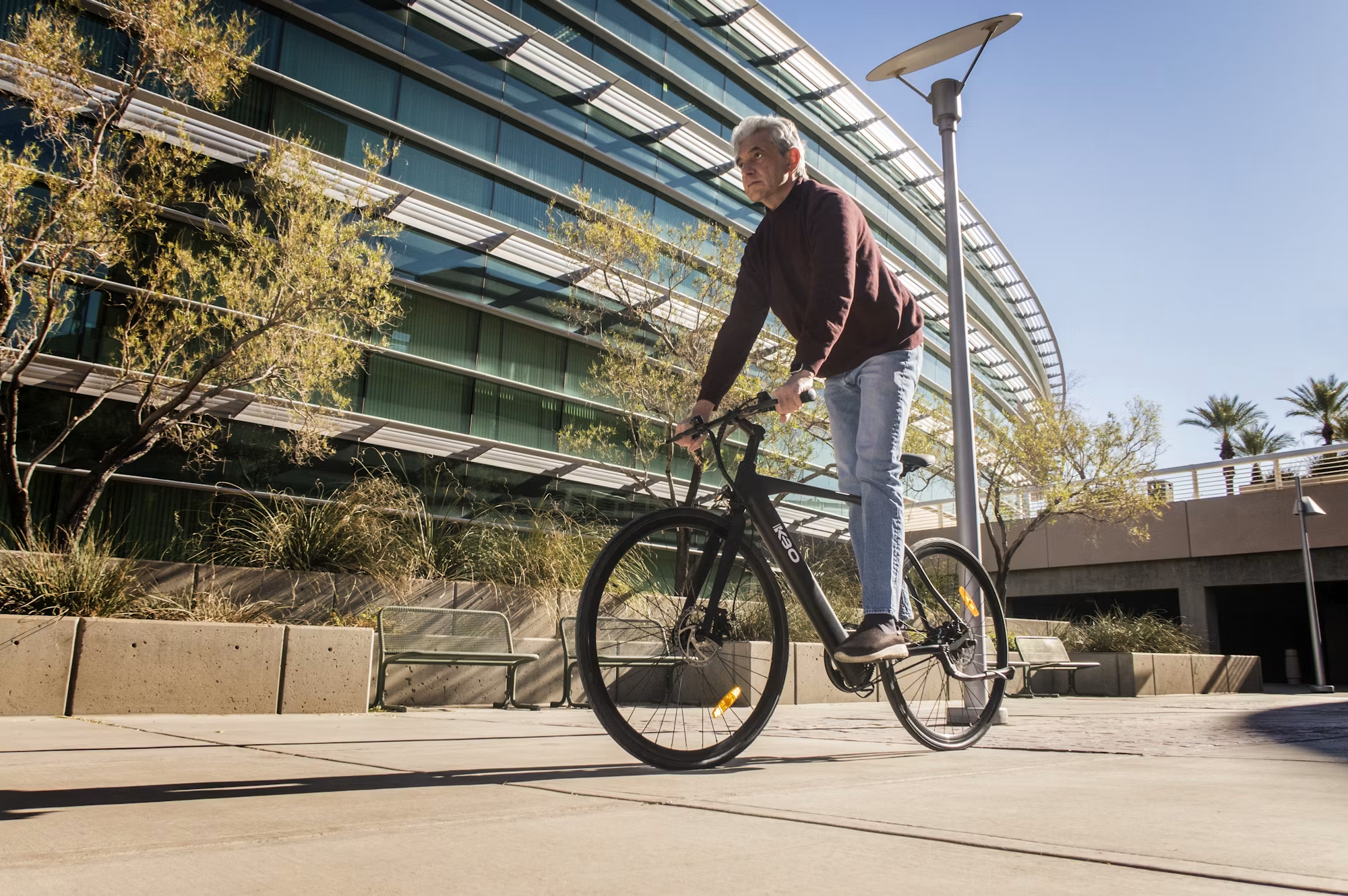
Cycling is an exhilarating and rewarding activity that combines exercise, adventure, and a sense of freedom. Whether you’re a seasoned rider or just starting out, having the right gear is crucial for both safety and comfort. The right equipment can make all the difference, enhancing your cycling experience and ensuring you enjoy every ride, no matter the terrain or distance. In this article, we’ll explore the essential gear every cyclist should consider, from the basics like helmets and clothing to more specialized equipment for serious riders.

The Importance of Safety Gear

Safety should always be a cyclist’s top priority, and the right safety gear is critical in preventing injuries and ensuring a smooth ride. No matter how experienced you are, accidents can happen, and being prepared with the right protective equipment is vital.

1. The Helmet: Your First Line of Defense

A helmet is the most important piece of safety gear for any cyclist. Whether you’re riding on the road, trail, or even in a park, wearing a helmet helps protect your head in the event of a fall or crash. Modern helmets are lightweight, breathable, and designed to absorb impact, reducing the risk of serious injury.

When choosing a helmet, look for one that meets safety standards in your country (such as CPSC in the US or EN1078 in Europe). A good helmet should fit snugly, with no gaps between the foam and your head. You should also ensure that the straps are adjusted correctly, keeping the helmet in place without being uncomfortable.

2. High-Visibility Clothing: Stay Seen, Stay Safe

Whether you’re cycling on busy city streets or in low-light conditions, wearing high-visibility clothing is essential for safety. Bright colors, reflective elements, and lights help other road users see you from a distance, reducing the risk of accidents. Many cycling-specific clothes are designed with reflective strips or bright neon colors to increase visibility, especially in the early mornings, evenings, or during adverse weather conditions.

Look for jackets, vests, and bibs that incorporate reflective materials or LED lights to enhance your visibility. These elements are particularly crucial for commuters or anyone riding in urban environments with heavy traffic.

3. Protective Gloves: Comfort and Control

Cycling gloves serve two key purposes: improving comfort and offering protection. Gloves help reduce hand fatigue on long rides by providing extra padding on the palms. They also improve grip and control of the handlebars, especially in wet or slippery conditions. Most cycling gloves are made from lightweight materials like Lycra, offering breathability while still being durable.

In the event of a fall, gloves provide some protection to your hands and wrists, reducing the impact of landing. There are also specific gloves designed for mountain biking or off-road cycling, which often feature additional protection around the knuckles.

Clothing for Comfort and Performance

Cycling clothing is not just about looking the part; it’s designed to enhance performance and provide comfort during long rides. Proper cycling clothing minimizes friction, regulates body temperature, and improves aerodynamics.

1. Cycling Shorts: The Key to Comfort

Cycling shorts are a fundamental piece of gear for any cyclist. Designed with padded chamois in the seat area, these shorts provide comfort on long rides by reducing friction and absorbing shock. Padded shorts are essential because the saddle can be uncomfortable during extended cycling sessions, and proper shorts can alleviate this issue.

Cycling shorts come in both bib and non-bib styles. Bib shorts feature straps over the shoulders, providing a more secure and comfortable fit by eliminating the waistband. Non-bib shorts are more traditional, offering a simpler design for riders who prefer that style. Both are equally effective, so choose what feels most comfortable for you.

2. Jerseys: Breathability and Flexibility

A good cycling jersey is designed to keep you comfortable while you ride by offering breathability, flexibility, and moisture-wicking properties. Most cycling jerseys are made from lightweight materials like polyester or a blend of fabrics that help wick sweat away from your body, keeping you dry and cool.

Jerseys often feature pockets on the back for storing small items like snacks, a phone, or a repair kit. When selecting a jersey, look for one with a snug fit, as this will reduce wind resistance and improve your aerodynamics during rides.

3. Cycling Jackets: Weather Protection

A cycling jacket can be a lifesaver in bad weather, offering protection from wind, rain, or cold temperatures. Look for lightweight, breathable jackets made from materials that allow moisture to escape while keeping you dry. Many cycling jackets are compact and can be easily packed into a bag when not in use.

For cold-weather riding, a jacket with thermal properties or fleece lining will help keep your body warm, while waterproof jackets are perfect for wet conditions. A cycling jacket with ventilation openings or zippers also helps you stay cool when cycling in warmer conditions.

Bike Accessories: Enhancing Your Ride

In addition to safety gear and clothing, several bike accessories can enhance your cycling experience. These items make cycling more enjoyable, efficient, and practical, whether you’re commuting, touring, or racing.

1. Pedals: Choosing the Right Type

There are several types of pedals to choose from, and the right one depends on your cycling style. Flat pedals are the most basic type, providing a simple platform for your feet. They are ideal for casual riders or those who prefer not to clip in. Clipless pedals, on the other hand, feature a mechanism that locks into special cycling shoes, providing a more secure connection between the rider and the bike. Clipless pedals are favored by competitive cyclists because they improve power transfer and control.

2. Bike Lights: Visibility and Safety

Whether you’re riding during the day or at night, bike lights are crucial for your safety. Front and rear lights not only help you see the road ahead but also make you visible to other road users. A white front light helps illuminate the path, while a red rear light makes you more visible from behind.

For nighttime riding, it’s also a good idea to use a reflective vest or additional reflective stickers on your bike. Having a bright, reliable light is essential for safe cycling in low-light conditions.

3. Repair Kits: Be Prepared for the Unexpected

No matter how well-maintained your bike is, flat tires or minor mechanical issues can occur unexpectedly. A bike repair kit should include essential tools like a tire pump, tire levers, a patch kit, and a multi-tool that can handle common repairs. For longer rides, you might want to carry a spare inner tube in case of a puncture.

Repair kits come in compact sizes that can be easily stored in a saddlebag or backpack, allowing you to carry them without adding much weight or bulk.

Special Gear for Advanced Cyclists

For serious cyclists who participate in competitive events, off-road adventures, or long-distance touring, additional gear may be needed to meet the specific demands of these activities.

1. Performance Wheels and Tires

High-performance wheels and tires can greatly improve the efficiency and handling of your bike. Lighter, more aerodynamic wheels can help increase speed and reduce drag, especially in road cycling races. Meanwhile, off-road cyclists will benefit from wider, more durable tires that can handle rough terrain and offer better traction.

2. Bike Computer or GPS

A bike computer or GPS system is an invaluable tool for cyclists who want to track their performance, measure distance, and analyze their routes. These devices can track speed, cadence, heart rate, and elevation, providing detailed feedback to help improve training and cycling performance.

Advanced systems can also offer turn-by-turn navigation, which is particularly useful for bike touring or long-distance cycling.

3. Cycling Shoes

Cycling shoes are designed with a stiff sole that helps optimize pedaling efficiency. They come in both road and mountain bike versions, with road cycling shoes designed for use with clipless pedals and mountain bike shoes featuring a more rugged design with additional grip for off-road cycling.

Conclusion

Whether you’re a casual rider or an avid cyclist, having the right gear can make all the difference in ensuring a safe, comfortable, and enjoyable experience. From helmets and gloves to high-performance accessories, each piece of cycling gear plays a vital role in enhancing your ride. By choosing the right equipment based on your cycling style and needs, you can improve your performance, prevent injury, and make every ride more enjoyable. So, gear up, hit the road, and embrace the freedom that cycling has to offer!

Exploring the Vibrant World of Street Food: A Culinary Adventure

Street food is more than just a quick meal; it’s a celebration of culture, community, and creativity. From bustling markets to quiet alleys, street food offers a glimpse into the heart of a city, showcasing the diverse culinary traditions that shape our world. This article takes you on a journey through the vibrant world of street food, exploring its rich history, popular dishes, and the unique experiences it provides.

The History of Street Food

Street food has ancient roots, dating back to the earliest civilizations. In ancient Rome, vendors sold food from stalls along the streets, catering to the busy lives of citizens. Similarly, in ancient China, street food was a staple for merchants and travelers, offering a quick and affordable way to eat on the go. These early examples laid the foundation for the diverse street food culture we see today.

As cities grew, so did the variety of street food available. Each region adapted its offerings based on local ingredients, traditions, and tastes. Today, street food is a global phenomenon, with unique dishes that reflect the culture and history of their origins.

The Allure of Street Food

One of the most appealing aspects of street food is its accessibility. It’s not just food; it’s an experience. The sizzle of food cooking on the grill, the colorful displays of fresh ingredients, and the aroma wafting through the air all contribute to the allure of street food. Here are a few reasons why street food continues to captivate food lovers:

1. Affordability

Street food is often much cheaper than dining in restaurants, making it an attractive option for those looking to explore new flavors without breaking the bank. This affordability allows people from all walks of life to enjoy delicious meals and fosters a sense of community as vendors serve locals and tourists alike.

2. Authenticity

Many street food vendors are masters of their craft, often using recipes passed down through generations. This authenticity offers a taste of traditional cooking methods and flavors that may be hard to find in formal dining establishments. Each bite tells a story, connecting eaters to the culture and heritage of the place.

3. Variety

Street food markets are a treasure trove of culinary delights. From savory snacks to sweet treats, the variety is astounding. Vendors often specialize in a single dish, ensuring that each item is prepared with care and expertise. This specialization allows for a unique tasting experience as visitors sample a range of offerings from different vendors.

Must-Try Street Food Dishes Around the World

The world of street food is vast, with each region boasting its signature dishes. Here are some must-try street food delights that showcase the diversity of flavors:

1. Tacos (Mexico)

Tacos are perhaps one of the most recognizable street foods globally. Originating from Mexico, they are made with corn or flour tortillas filled with a variety of ingredients such as grilled meats, vegetables, and salsas. Whether enjoyed at a bustling market in Mexico City or a food truck in the United States, tacos are a delicious and satisfying option.

2. Banh Mi (Vietnam)

The Vietnamese banh mi is a flavorful sandwich that combines French and Vietnamese culinary influences. A crusty baguette is filled with marinated meats, pickled vegetables, fresh herbs, and spicy sauces. The explosion of flavors and textures in each bite makes banh mi a favorite among street food enthusiasts.

3. Satay (Indonesia)

Satay consists of skewered and grilled meat, typically served with a peanut sauce. This popular dish can be found in street markets across Indonesia and has gained popularity in other countries as well. The combination of savory meat and rich sauce creates a delightful taste experience.

4. Takoyaki (Japan)

Takoyaki is a beloved Japanese street food made from a batter filled with diced octopus, tempura scraps, and green onions. Cooked in special molds, these round dumplings are brushed with savory sauce and topped with bonito flakes and seaweed. They are a popular snack at festivals and markets, bringing a taste of Japan’s vibrant street food culture to life.

5. Churros (Spain)

For those with a sweet tooth, churros are a must-try street food. These deep-fried pastries are crispy on the outside and soft on the inside, often dusted with sugar and served with a side of rich chocolate sauce for dipping. Churros can be found at fairs and street stalls across Spain and are a delightful treat to enjoy on the go.

The Street Food Experience

Beyond the food itself, the street food experience is about the atmosphere and interactions with vendors and fellow diners. Here’s what makes it special:

1. Community Connection

Street food brings people together, creating a communal dining experience. Whether shared among friends or enjoyed solo, the act of eating among fellow patrons fosters a sense of connection. Food markets often buzz with conversations, laughter, and the sounds of cooking, making it a lively environment.

2. Cultural Exchange

Street food is a gateway to cultural exchange. Vendors often share their stories and cooking techniques, allowing visitors to gain insights into local customs and traditions. This exchange enriches the dining experience, transforming a simple meal into an educational adventure.

3. Innovation and Fusion

In recent years, street food has evolved to include innovative and fusion dishes that combine elements from different culinary traditions. Chefs and food enthusiasts experiment with flavors, creating exciting new offerings that reflect the dynamic nature of global cuisine. This creativity keeps the street food scene fresh and ever-changing.

Conclusion: A Culinary Adventure Awaits

Street food is a celebration of flavor, culture, and community. It invites us to explore the world through our taste buds, offering authentic and diverse culinary experiences that connect us to the heart of a city. Whether you find yourself in a vibrant market in Bangkok, a cozy street corner in Mexico City, or a food festival in New York, the adventure of street food awaits. So, grab a taco, savor a banh mi, or indulge in a churro, and immerse yourself in the delicious world of street food that continues to captivate and inspire food lovers everywhere.