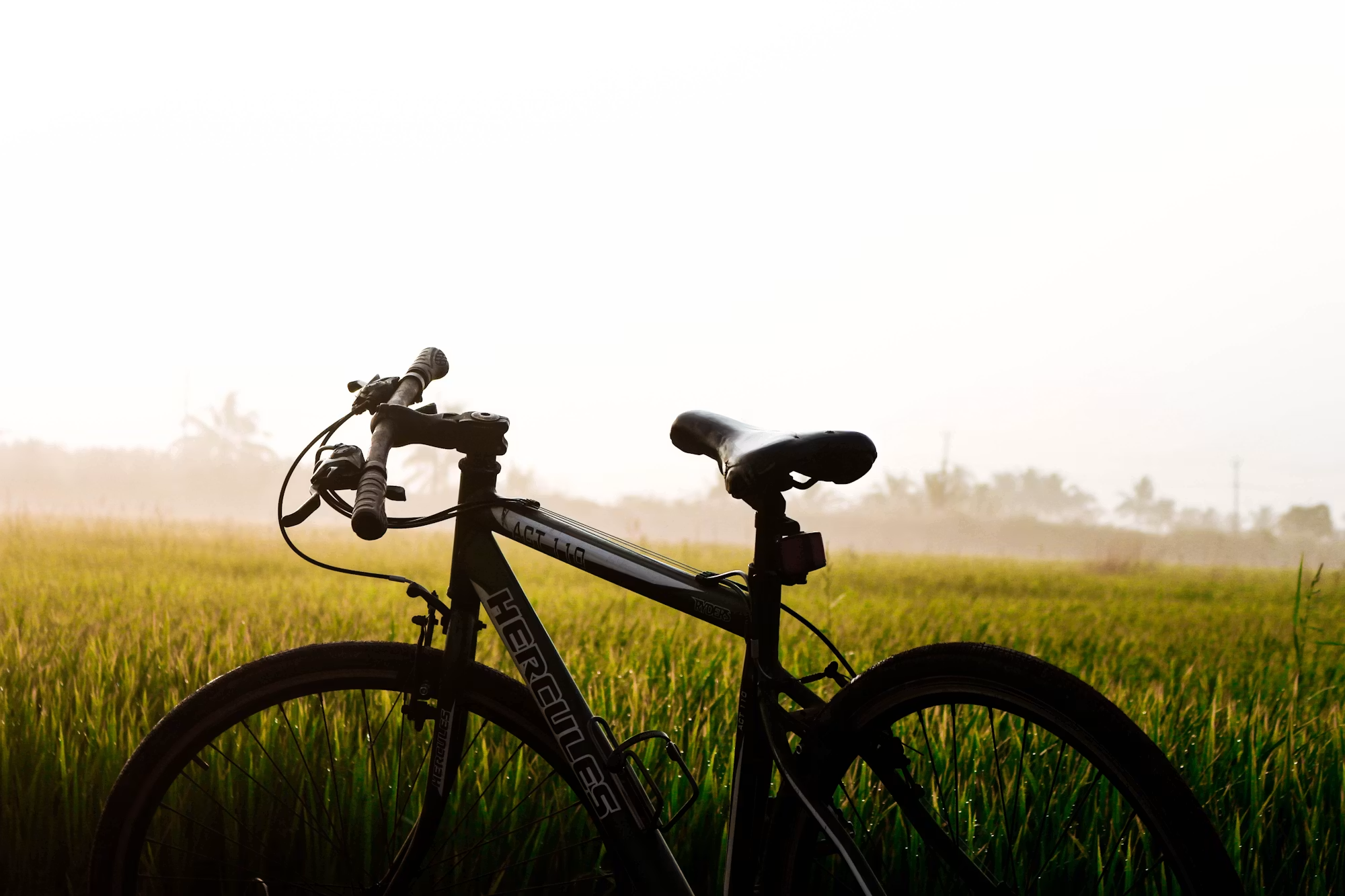
Cycling is an exhilarating activity that transcends simple transportation; it’s a lifestyle that promotes health, adventure, and connection. With various disciplines available, each offering distinct experiences, cycling appeals to a wide range of enthusiasts—from competitive athletes to leisurely riders. This article will delve into the diverse world of cycling, guiding readers through the various styles and highlighting the joy they bring to countless lives. Road cycling is often the first discipline that comes to mind when people think of cycling. It combines speed, competition, and the thrill of racing on paved roads. Whether participating in local criteriums or grueling stage races like the Tour de France, road cyclists push themselves to the limit, fueled by adrenaline and camaraderie. Training in groups not only enhances performance but also fosters a supportive community. Sharing tips, experiences, and challenges helps build lasting friendships among cyclists, making the sport as much about the people as the competition. For those seeking a different experience, endurance riding offers an opportunity to explore the open road at a more leisurely pace. Focused on long-distance journeys, endurance riding invites cyclists to cover substantial distances, often spanning hundreds of miles. Events such as randonneuring and audax emphasize personal achievement and self-paced riding, allowing participants to set their own challenges. The shared experiences of endurance rides create strong bonds among cyclists, who often recount tales of their adventures and support one another throughout their journeys. Mountain biking caters to the adventurous spirit, attracting those who enjoy the thrill of navigating rugged terrains and picturesque landscapes. This discipline can be divided into several styles, with Cross-Country (XC) and Downhill (DH) being two of the most popular. XC riding emphasizes endurance and technical skill, as cyclists tackle various terrains, climbing steep hills and descending challenging trails. The combination of physical exertion and the beauty of nature makes XC a favorite among outdoor enthusiasts who appreciate both the challenge and the views. In contrast, DH riding is all about high-speed thrills and adrenaline. Cyclists race down steep trails filled with jumps, drops, and technical features, testing their skills and courage. This discipline attracts those who seek excitement and a heart-pounding experience, creating a vibrant community of thrill-seekers. For those who want the best of both worlds, Enduro riding presents an exciting option. Combining timed downhill sections with untimed climbs, Enduro allows riders to enjoy the beauty of the outdoors while challenging their endurance and technical abilities. This discipline strikes a perfect balance, appealing to those looking to enhance their cycling skills in a scenic environment. BMX (Bicycle Motocross) is another thrilling discipline, characterized by its fast-paced racing and freestyle events. BMX racing occurs on specially designed dirt tracks where riders navigate jumps and sharp turns in high-energy sprints. The vibrant culture surrounding BMX fosters a strong sense of community, as riders celebrate each other’s achievements and encourage one another to push their limits. In freestyle BMX, the focus shifts to creativity and skill as riders perform tricks and stunts, captivating audiences and inspiring newcomers to explore their artistic potential. Cyclocross provides a unique challenge that blends cycling and running, demanding both endurance and agility. Races take place on varied terrains, including mud, grass, and obstacles, requiring participants to dismount and carry their bikes at times. The dynamic nature of cyclocross creates an exciting atmosphere that attracts competitors and spectators alike, celebrating the resilience and spirit of the participants. Indoor cycling has surged in popularity in recent years, particularly through spin classes that provide an engaging and energetic workout. Led by enthusiastic instructors, these high-intensity classes combine music with choreographed routines, creating a motivating environment for participants. The camaraderie found in group spin sessions enhances the experience, making indoor cycling a fun and appealing option for those looking to maintain fitness while enjoying a communal atmosphere. Bike touring invites cyclists to embrace the freedom of the open road, offering opportunities for exploration and adventure. Whether embarking on short trips or extensive journeys, bike touring allows riders to experience diverse landscapes and cultures at their own pace. Cyclists can choose their routes, take breaks to enjoy local attractions, and connect with fellow travelers, making bike touring a cherished aspect of the cycling community. For those who prioritize comfort, recumbent cycling presents an innovative alternative. Recumbent bikes feature a reclined seating position that provides support and reduces strain on the body. This style appeals to individuals looking for leisurely rides that prioritize comfort without sacrificing enjoyment. The ease of recumbent cycling allows riders to focus on their surroundings, making it a popular choice for relaxed outings. Electric biking, or e-bikes, has transformed the cycling landscape, making it more accessible to a broader audience. Equipped with electric motors that assist in pedaling, e-bikes make challenging climbs and longer distances much more manageable. This innovation invites newcomers to experience the joys of cycling, encouraging a more inclusive and welcoming environment for all. Lastly, bike polo combines the excitement of cycling with the teamwork found in traditional sports. Played on grass or hard courts, participants use bicycles to maneuver and strike a ball, similar to conventional polo but with a modern twist. The fast-paced nature of bike polo promotes skill, strategy, and collaboration among players, creating an engaging atmosphere for both participants and spectators. In conclusion, cycling offers a diverse array of disciplines that cater to various interests and abilities. Whether you are a competitive racer, an outdoor adventurer, or someone who enjoys leisurely rides, the world of cycling is filled with opportunities for personal growth, enjoyment, and connection. By exploring the various styles available, you can discover the discipline that resonates with you. Embrace the thrill of cycling, connect with fellow enthusiasts, and embark on your unique journey on two wheels today.
Exploring the Thrill of Snowboarding: A Guide to Techniques and Experiences
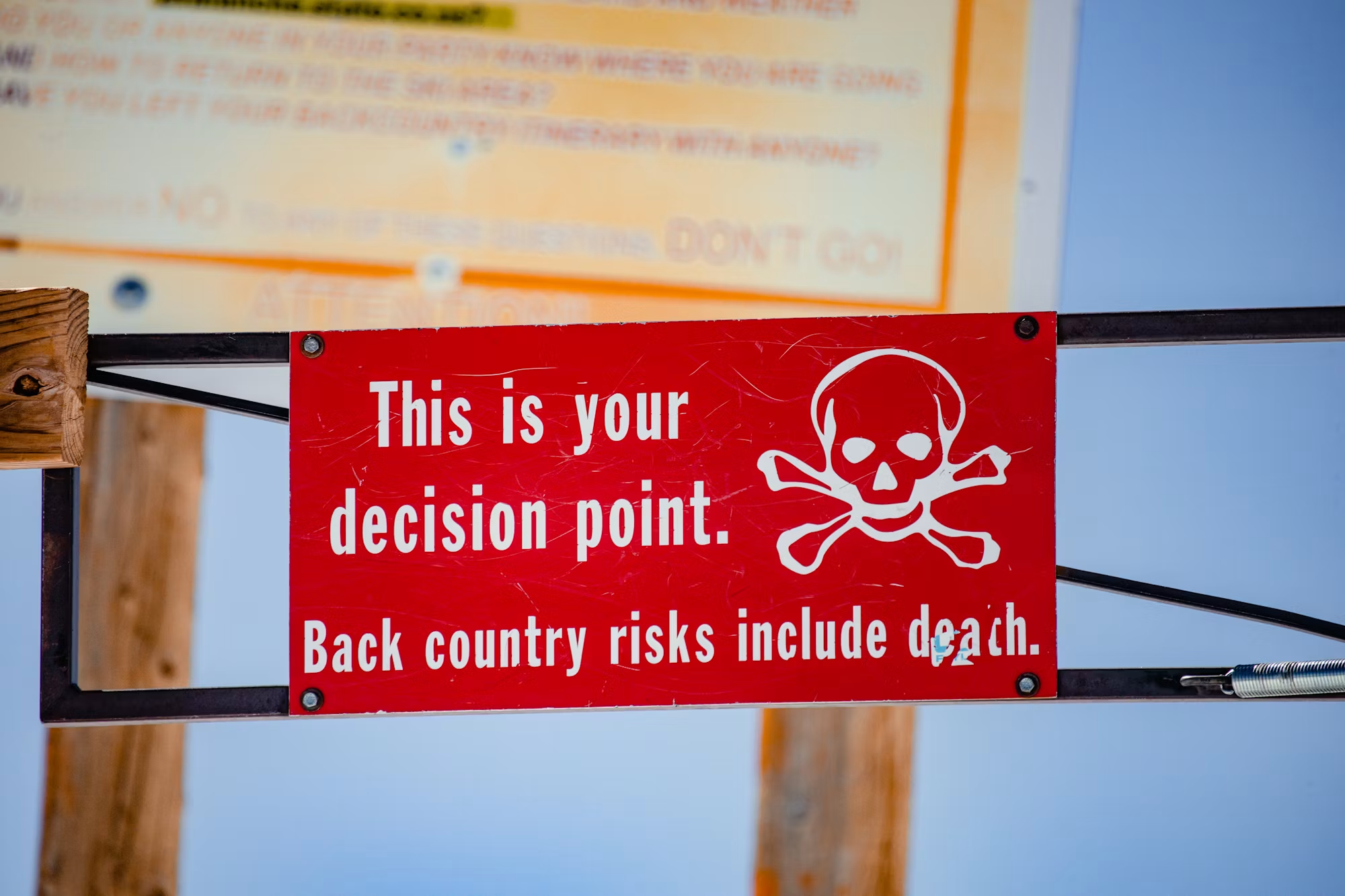
Snowboarding is more than just a sport; it’s a thrilling adventure that brings together elements of skill, nature, and camaraderie. For those who strap on a board and glide down snow-covered slopes, the experience is both liberating and invigorating. This guide aims to explore the various techniques involved in snowboarding, as well as the unique experiences that come with this exciting activity, making it a must-read for beginners and seasoned riders alike.
The Joy of Snowboarding
At its core, snowboarding is about embracing the freedom of movement while navigating breathtaking landscapes. Whether you’re carving down a groomed run or exploring untouched backcountry, the rush of adrenaline and the beauty of the mountains create unforgettable moments. This article will cover the essential aspects of snowboarding techniques that can elevate your experience, ensuring you make the most of your time on the slopes.
Getting Started: Essential Gear
Before diving into techniques, it’s crucial to understand the importance of having the right gear. Snowboarding requires specific equipment designed to enhance performance, safety, and comfort.
1. Snowboard: The type of snowboard you choose significantly affects your riding experience. All-mountain boards are versatile and suitable for various conditions, while freestyle boards are designed for tricks and terrain park use. Freeride boards excel in powder and backcountry conditions.
2. Bindings: Your bindings connect you to the board and should fit your boots snugly. Choosing the right binding type—strap or step-in—depends on personal preference and riding style.
3. Boots: A proper fit is essential for control and comfort. Soft boots offer flexibility, while hard boots provide more support, typically preferred for alpine riding.
4. Protective Gear: Safety should always be a priority. Wearing a helmet, wrist guards, and padded clothing can prevent injuries during falls.
5. Clothing: Layering is key to staying warm and dry. A moisture-wicking base layer, insulating mid-layer, and waterproof outer layer work together to keep you comfortable in various conditions.
Mastering Basic Techniques
Once you have your gear sorted, the next step is to focus on mastering fundamental techniques that will form the basis of your snowboarding skills.
Finding Your Stance
Your stance is the foundation of your snowboarding technique. Most riders are either regular (left foot forward) or goofy (right foot forward). Determining your natural stance can be done by sliding on a smooth surface and noticing which foot you place forward instinctively. Once you’ve identified your stance, adjust your bindings accordingly, ensuring a comfortable and stable position.
Balance and Body Position
Balance is critical in snowboarding. Maintaining a low center of gravity by bending your knees will help you stay stable. Your weight should be evenly distributed over your board, with your shoulders aligned with your hips and feet. Engaging your core will further enhance your balance, allowing for more controlled movements on the slopes.
Stopping Techniques
Knowing how to stop safely is crucial for any snowboarder. Here are two fundamental stopping techniques:
Heel Side Stop
To perform a heel-side stop, shift your weight onto your heels and turn your board perpendicular to the slope. This will dig the heel edge into the snow and bring you to a stop. Practice this technique on gentle slopes before progressing to steeper terrain.
Toe Side Stop
For a toe-side stop, shift your weight onto your toes while turning your board similarly. This method also provides a controlled stop and is particularly useful when navigating turns.
Turning Techniques
Mastering turning techniques will significantly enhance your riding experience. Here are two common methods:
Carving Turns
Carving turns involve shifting your weight onto the edge of the board while maintaining speed. Lean into the turn and apply pressure to the edge to create a smooth arc. This technique is effective on groomed runs and allows for fluid transitions between turns.
Skidded Turns
Skidded turns are more forgiving and easier for beginners to learn. To execute a skidded turn, shift your weight from heel to toe while turning your board. This method is ideal for slower speeds and navigating tight spaces.
Jumping and Tricks
As you gain confidence, you may want to explore jumping and tricks. Here are some key tips:
1. Approach: Maintain a steady speed as you approach a jump. Position your body for takeoff by bending your knees and preparing to spring off the lip.
2. Takeoff: At the lip of the jump, extend your legs to propel yourself into the air. Keeping your body compact will help maintain balance while airborne.
3. In the Air: Focus on your landing spot as you descend. This will help you prepare for a smooth touchdown.
4. Landing: Bend your knees upon landing to absorb impact and maintain stability. Aim to land with your weight centered over the board.
Riding in Different Conditions
Snowboarding conditions can vary widely, from fresh powder to icy slopes. Adapting your technique to different terrains is essential for a successful ride:
Riding Powder
When riding in deep powder, adjust your stance by widening your feet and leaning back slightly. This helps keep the nose of the board afloat and enables smoother navigation through soft snow. Making gentle, wide turns will help you maintain speed and control.
Riding Icy Slopes
On icy terrain, maintaining a low center of gravity is key. Utilize your edges for grip and practice carving to maintain control. Avoid skidding, as this can lead to loss of control on hard-packed snow.
Building Confidence and Overcoming Fear
Developing confidence is crucial in snowboarding. Here are some tips to help you overcome fear and build your skills:
1. Set Realistic Goals: Start with achievable objectives that match your skill level. Gradually increase the difficulty as you improve.
2. Practice Regularly: Consistent practice is vital for building confidence. The more time you spend on the slopes, the more comfortable you will become.
3. Learn from Mistakes: Accept that falls and mistakes are part of the learning process. Use these experiences as opportunities for growth and improvement.
4. Visualize Success: Mental visualization can enhance your performance. Before attempting a new technique, picture yourself successfully executing it, which can boost your confidence.
The Community Aspect of Snowboarding
One of the best aspects of snowboarding is the sense of community it fosters. Joining a local snowboarding group or community can enhance your experience on the slopes. Riding with friends or experienced mentors can provide valuable tips, encouragement, and camaraderie. Participating in group lessons or workshops can also accelerate your learning and make for a more enjoyable experience.
Conclusion
Snowboarding is an exciting and dynamic sport that offers a unique blend of adventure, skill, and connection with nature. By mastering essential techniques, adapting to various conditions, and fostering a positive mindset, you can significantly enhance your riding experience. Whether you’re hitting the slopes for the first time or looking to refine your skills, the journey of snowboarding is filled with opportunities for growth and enjoyment. So grab your gear, find your stance, and embrace the thrill of snowboarding, creating unforgettable memories along the way.
Exploring the Thrill of Snowboarding: A Beginner’s Guide
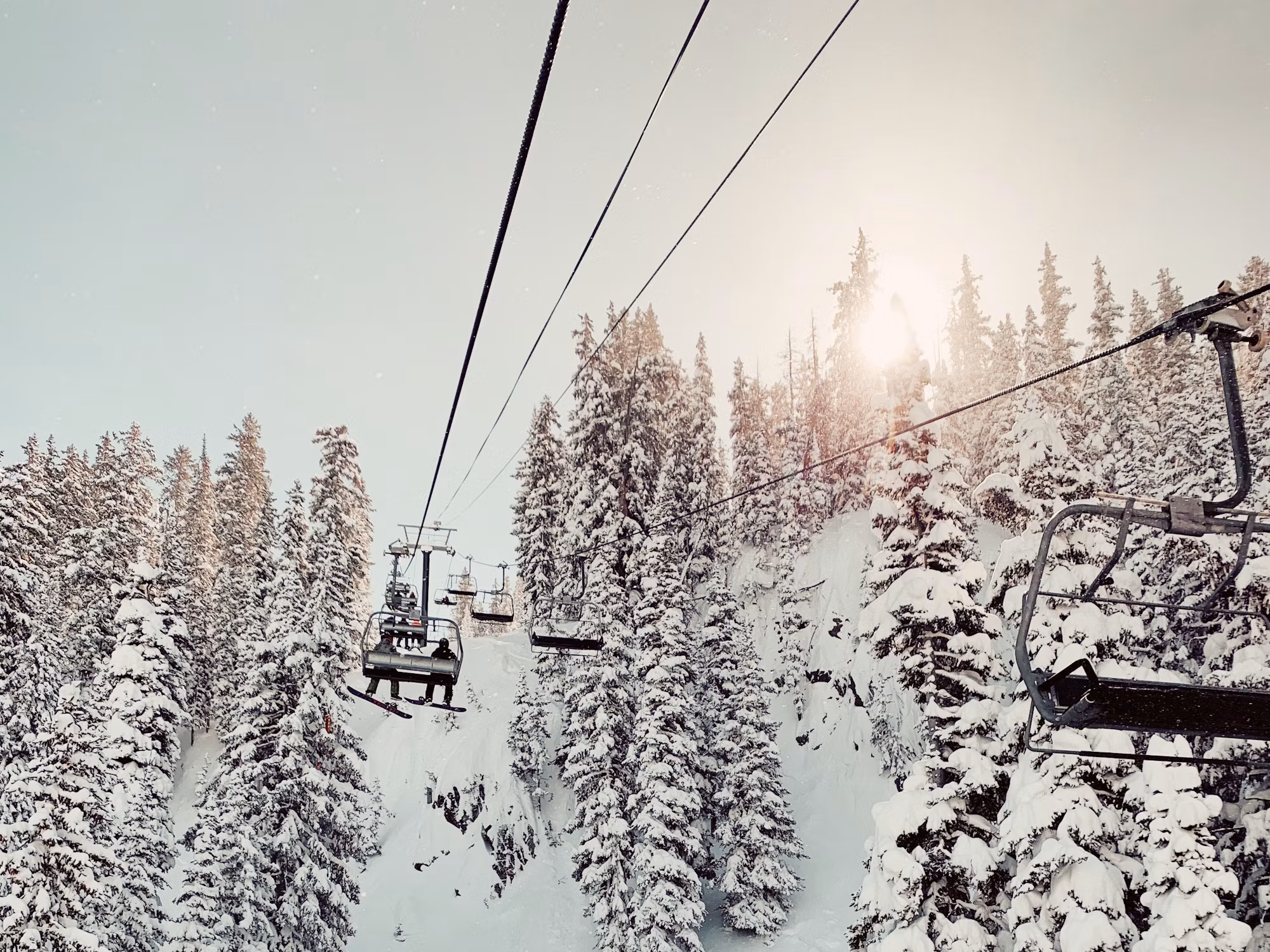
Snowboarding is not just a sport; it’s an exhilarating experience that offers a unique connection to nature and the thrill of gliding down powdery slopes. For beginners, stepping onto a snowboard for the first time can be both exciting and daunting. This guide aims to equip newcomers with essential knowledge, from gear selection to basic techniques, to ensure a smooth and enjoyable start on the mountain. To begin your snowboarding journey, the first step is to invest in the right gear. Your choice of snowboard, boots, and bindings plays a crucial role in your overall experience. When selecting a snowboard, consider your riding style and the terrain you plan to tackle. Snowboards come in various shapes, sizes, and flex ratings, each designed for specific styles—freestyle, all-mountain, or freeride. For beginners, an all-mountain board is often the best choice as it provides versatility across different terrains. Ensure that your board’s length is appropriate for your height and weight, as this will significantly affect your control and stability. Equally important is the selection of boots. Comfort is paramount; ill-fitting boots can lead to discomfort and hinder your performance. Look for boots that provide good ankle support while still allowing for flexibility. As a general rule, softer boots are more forgiving for beginners, while stiffer boots offer better responsiveness for advanced riders. Bindings are the final piece of the puzzle, connecting your boots to the board. When choosing bindings, ensure they are compatible with your board and offer adjustable straps for a secure fit. Once you have your gear sorted, it’s time to focus on the fundamental techniques of snowboarding. Start by learning how to properly strap into your snowboard. This process is essential for getting comfortable and ensuring your safety on the slopes. Practice getting up from a seated position while strapped in, as this is a skill you’ll need frequently. Next, it’s important to familiarize yourself with your stance. Most riders either ride regular (left foot forward) or goofy (right foot forward). Determining your natural stance will help you maintain balance and control while riding. A simple way to find your stance is to see which foot you instinctively put forward when sliding on ice or snow. Once you’ve strapped in and established your stance, the next step is to practice gliding on flat terrain. Push yourself along using your back foot, keeping your knees slightly bent for balance. This will help you get a feel for the board and build confidence before tackling any slopes. When you’re ready to hit the slopes, start with gentle, beginner-friendly runs. Focus on maintaining a low center of gravity by keeping your knees bent and your body relaxed. As you begin to gain speed, practice your turns by shifting your weight from your toes to your heels. This technique, known as edge control, is vital for maneuvering your board effectively. As you become more comfortable with turning, experiment with linking your turns. To do this, initiate a turn by leaning into it, then smoothly transition your weight to the opposite edge to complete the turn. Linking turns allows you to maintain speed and control, enhancing your overall riding experience. Another essential skill for beginners is learning how to stop. The most common method is the heel edge stop. To perform this, shift your weight onto your heels while applying pressure to the back of the board, effectively dragging it in the snow to slow down. Practicing stopping on flat terrain will build your confidence and ensure you feel in control when navigating slopes. As you progress, consider exploring different terrains and features. Many resorts offer terrain parks designed for practicing tricks and jumps. Start with small features, such as boxes or mini jumps, and focus on your takeoff and landing techniques. When approaching a jump, maintain a steady speed, and keep your knees slightly bent as you leave the lip of the jump. In the air, stay compact, and prepare for landing by bending your knees to absorb the impact. As with any sport, safety should be a priority. Wearing appropriate protective gear is essential, particularly for beginners. A helmet is a must, as it provides vital protection against falls. Additionally, consider wearing wrist guards, knee pads, and padded shorts to minimize the risk of injury as you learn. As you become more comfortable with your riding skills, consider taking lessons from a qualified instructor. Professional guidance can significantly accelerate your learning process and help you avoid developing bad habits. Many ski resorts offer group or private lessons tailored to different skill levels, ensuring you receive the support you need to progress. Beyond technique and gear, snowboarding is also about community and camaraderie. Riding with friends or joining a local snowboarding group can enhance your experience on the mountain. Sharing tips, challenges, and victories with fellow riders fosters a sense of belonging and encourages you to push your boundaries. Remember to set realistic goals for yourself as you progress. Whether it’s mastering a specific trick, improving your turns, or simply enjoying a day on the slopes, having clear objectives will keep you motivated and engaged in your snowboarding journey. Additionally, don’t forget to celebrate your achievements, no matter how small they may seem. Snowboarding is a continuous learning process, and every step forward is a success. Finally, staying physically fit will enhance your snowboarding performance. Core strength, balance, and flexibility are key components of effective riding. Incorporate strength training and cardio exercises into your routine, and don’t underestimate the benefits of stretching before and after your sessions. This preparation will improve your stamina and reduce the risk of injury. In conclusion, snowboarding is a thrilling and rewarding sport that offers endless opportunities for adventure and self-discovery. By investing in the right gear, mastering essential techniques, prioritizing safety, and engaging with the snowboarding community, you can create memorable experiences on the slopes. Embrace the journey, stay patient with yourself, and most importantly, have fun!
Embracing Nature: The Benefits of Outdoor Activities

In today’s fast-paced world, the allure of the great outdoors beckons to those seeking a break from their daily routines. Outdoor activities not only provide a refreshing escape from the hustle and bustle of life but also offer numerous benefits for physical health, mental well-being, and social connections. From hiking and biking to birdwatching and camping, there is a wealth of opportunities to immerse oneself in nature. In this article, we will explore several popular outdoor activities, discussing their advantages and how to get started.
Hiking: A Journey Through Nature
Hiking is one of the most popular outdoor activities, and for good reason. It offers an excellent way to explore nature while providing a fantastic workout. Whether you choose a gentle trail through a local park or a challenging mountain path, hiking can be tailored to suit any fitness level. As you traverse different terrains, you engage your muscles, improve cardiovascular health, and enhance your overall fitness.
Beyond the physical benefits, hiking also offers a significant mental boost. The simple act of being surrounded by nature can reduce stress and anxiety. Studies have shown that spending time in green spaces can lead to improved mood and cognitive function. The sights, sounds, and smells of the outdoors create a sensory experience that can be both calming and invigorating. Additionally, hiking can foster a sense of adventure and accomplishment, especially when reaching the summit of a challenging trail.
Biking: Exploring on Two Wheels
Biking is another fantastic outdoor activity that combines fitness with the thrill of exploration. Whether you prefer road cycling, mountain biking, or casual rides through urban areas, biking provides an excellent cardiovascular workout while allowing you to cover greater distances than walking or hiking. It’s an efficient way to enjoy nature, visit new places, and even commute.
The health benefits of biking extend beyond physical fitness. Regular cycling can improve joint mobility, increase muscle strength, and boost overall endurance. Moreover, biking is known to enhance mental health by releasing endorphins, which promote feelings of happiness and well-being. Riding in scenic areas, such as parks or along waterfronts, adds to the joy of the experience, providing stunning views and fresh air. Joining local biking groups can also create opportunities for social interaction and community building.
Camping: Connecting with Nature
Camping is a beloved outdoor activity that allows individuals and families to immerse themselves in nature while enjoying quality time together. Whether pitching a tent in a national park or parking a camper in a scenic area, camping offers a chance to unplug from technology and reconnect with the natural world. This activity can range from a simple backyard campout to a more adventurous backcountry experience.
The benefits of camping are manifold. Physically, setting up camp and participating in outdoor activities such as hiking, fishing, or swimming can contribute to a healthy lifestyle. Mentally, the simplicity of camping encourages relaxation and mindfulness, helping to reduce stress levels. Cooking over a campfire, stargazing, and storytelling around the campfire create cherished memories and strengthen family bonds.
Additionally, camping fosters a sense of community, whether through meeting fellow campers at shared sites or participating in organized group events. Many campsites offer programs for families, including guided nature walks, crafts, and workshops, making camping a fulfilling experience for everyone.
Birdwatching: A Gentle Pursuit
Birdwatching is a peaceful outdoor activity that encourages patience and observation. This hobby can be enjoyed in backyards, local parks, or nature reserves, making it highly accessible to people of all ages. With a pair of binoculars and a field guide, anyone can embark on an adventure to spot various bird species and learn about their behaviors and habitats.
Birdwatching promotes mental well-being by providing a calming and meditative experience. Observing birds in their natural habitat fosters a sense of connection with nature and encourages mindfulness. Many birdwatchers report feelings of joy and satisfaction when they spot a new species or witness unique behaviors. This activity also encourages physical fitness, as birdwatching often involves walking through different terrains to find ideal viewing spots.
Joining local birdwatching clubs or participating in community events can enhance the experience, offering opportunities to meet like-minded individuals and share knowledge about local species. Many clubs organize field trips and educational workshops, further enriching the birdwatching journey.
Gardening: Cultivating Nature
Gardening is a rewarding outdoor activity that allows individuals to nurture plants and contribute to the environment. Whether you have a small balcony garden or a sprawling backyard, gardening provides an opportunity to engage with nature on a daily basis. This activity can range from growing flowers and herbs to cultivating fruits and vegetables, promoting biodiversity and sustainability.
The physical benefits of gardening are substantial. Digging, planting, weeding, and maintaining a garden provides a full-body workout, improving strength, flexibility, and endurance. Moreover, gardening has been shown to reduce stress and improve mental health by providing a creative outlet and a sense of accomplishment. Watching plants grow and thrive fosters a connection to nature that can be deeply satisfying.
Gardening also offers community-building opportunities. Community gardens, where individuals can rent plots to grow their plants, encourage social interaction and collaboration. These spaces promote environmental awareness and often serve as educational hubs, teaching sustainable practices and the importance of healthy eating.
Rock Climbing: The Ultimate Challenge
For those seeking an adrenaline rush, rock climbing is an exhilarating outdoor activity that tests physical and mental limits. This sport can be done indoors at climbing gyms or outdoors on natural rock formations, making it accessible to all skill levels. Rock climbing not only builds strength and endurance but also enhances problem-solving skills and mental focus.
The benefits of rock climbing extend beyond fitness. Climbers often experience a sense of camaraderie and community, as many climbing routes require teamwork and communication. Engaging in this challenging sport fosters trust and connection among participants. The breathtaking views from the top of a climb create a profound sense of achievement and encourage participants to push their boundaries.
Conclusion
Outdoor activities provide a myriad of benefits that contribute to a healthier, happier lifestyle. Whether hiking through scenic trails, biking along picturesque routes, or simply enjoying a day of gardening, the great outdoors offers something for everyone. Engaging with nature promotes physical fitness, mental well-being, and a sense of community, making it an essential part of life.
As you consider incorporating more outdoor activities into your routine, think about what resonates with you. Embrace the joys of movement, connection, and exploration in the natural world. The experiences and memories created through outdoor adventures are invaluable, enriching our lives in countless ways.
Exploring the Thrills of Extreme Surfing: Big Waves, Advanced Techniques, and Bold Adventures
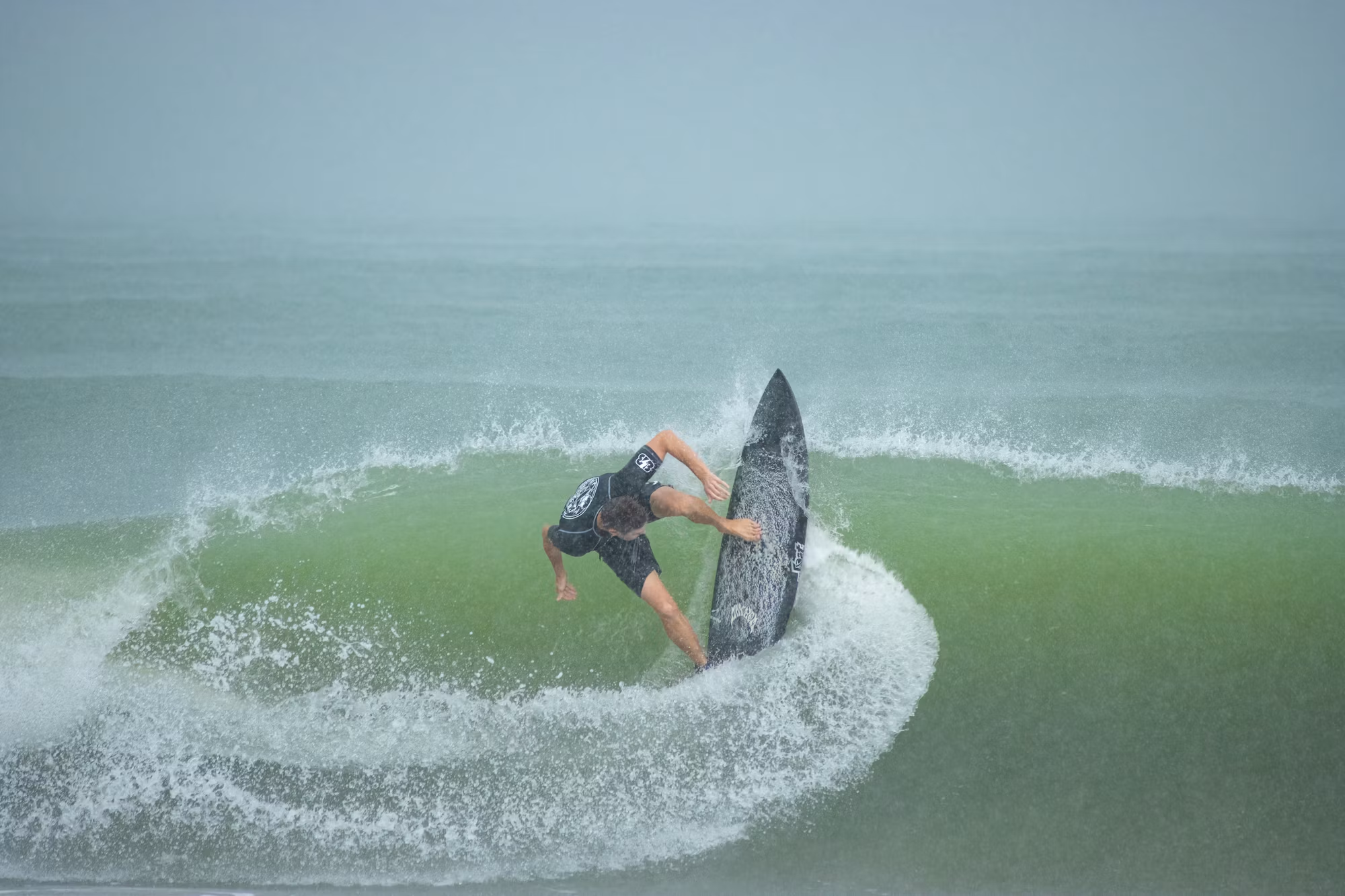
Surfing is a sport that constantly evolves, pushing the boundaries of what’s possible on the waves. While many people think of surfing as a recreational activity or a leisurely pursuit at the beach, there’s a whole other side to the sport that revolves around extreme challenges, larger-than-life waves, and the pursuit of adrenaline. From the heart-pounding thrills of big-wave surfing to the more niche disciplines that focus on technique and artistry, extreme surfing offers something for every adventure seeker. In this article, we dive deep into the world of extreme surfing, exploring the types of waves, the equipment used, and the skills required for these bold, high-octane rides.
Big Wave Surfing: The Ultimate Adrenaline Rush
Big wave surfing is the most intense and dramatic form of the sport, attracting surfers who are willing to face nature’s rawest power. These waves, often over 20 feet tall, require incredible skill, precision, and bravery to ride. Unlike smaller waves that can be paddled into with relative ease, big waves demand specialized equipment, a deep understanding of wave dynamics, and a calm demeanor in the face of danger.
What makes big wave surfing so appealing to adrenaline junkies is not just the size of the waves but the sheer force they carry. These waves move with such speed and power that they can wipe out even the most experienced surfers. To handle these conditions, big wave surfers use boards that are longer and more buoyant than traditional shortboards. These boards provide the stability needed to stay on top of the wave, allowing surfers to ride these monsters without being thrown off.
One of the most famous locations for big wave surfing is Pipeline in Hawaii, where waves can reach heights of 30 feet or more during the winter months. Another iconic spot is Teahupo’o in Tahiti, known for its incredibly powerful and hollow waves. These locations are not just tourist attractions—they are battlefields for surfers who want to test their skills against some of the biggest waves in the world.
Big wave surfing is not for the faint of heart. Surfers must constantly assess ocean conditions, read the waves, and calculate when to drop in. This form of surfing often involves being towed into the wave by a personal watercraft, like a Jet Ski, to give the surfer enough speed to catch the wave. It’s a delicate balance of timing, positioning, and courage, as surfers often face the possibility of wipeouts in the most dramatic of ways.
The Importance of Equipment: Boards, Wetsuits, and Safety Gear
While many types of surfing can be done with minimal gear, extreme surfing requires specialized equipment to ensure both performance and safety. The difference between riding a small beach break and conquering a massive wave is, in many ways, all about the gear. Big wave surfers use larger, more durable boards that are designed to handle the force of enormous waves. These boards are typically made from lightweight materials like foam or carbon fiber, which allow them to float more easily on top of the wave, reducing the chance of wiping out.
Wetsuits are also a crucial part of the equipment for extreme surfers. They provide insulation in cold waters, protecting surfers from hypothermia during long sessions. The thicker the wetsuit, the more warmth it provides, but it also affects flexibility. As surfers engage in fast maneuvers, the wetsuit must allow them the flexibility to twist and turn freely without restricting movement. Choosing the right wetsuit is about balancing comfort, warmth, and flexibility.
Safety is a key consideration in extreme surfing, as large waves can quickly become dangerous. Surfers often wear helmets, impact vests, and flotation devices for added protection. The surfboards themselves also come with leashes that keep them tethered to the surfer, ensuring that they don’t drift away in the aftermath of a wipeout. In big-wave locations, jet skis are often on standby to help surfers who have been wiped out or need assistance in navigating back to the surf zone.
Advanced Techniques in Big Wave Surfing
Big wave surfing isn’t just about surviving the wave—it’s about mastering it. Surfers use a variety of advanced techniques to make the most out of each ride. One of the most important skills in big wave surfing is paddling into the wave. In smaller surf, surfers can easily catch waves by paddling, but in big-wave conditions, they need extra speed to paddle into the wave before it crashes down on them. Big wave surfers also rely on drop-ins, which involve timing their entry perfectly to ensure that they are in the right position to ride the wave without wiping out.
Once on the wave, surfers use techniques like bottom turns, where they turn the board sharply at the bottom of the wave to build speed and set themselves up for the rest of the ride. The goal is to stay on the critical part of the wave, where the steepest and fastest sections allow for more powerful turns and bigger maneuvers. Surfers may also perform aerial tricks, using the wave’s lip to launch into the air before landing back on the wave.
Another advanced technique often used in big-wave surfing is tube riding, where surfers attempt to ride inside the hollow section of the wave, known as the barrel. Getting barreled is one of the most coveted achievements in surfing, as it requires perfect positioning and timing. Inside the tube, surfers experience a unique feeling of speed and weightlessness, all while avoiding the powerful wave that is about to break overhead.
The Role of Tow-In Surfing
In many big wave spots, tow-in surfing is the key to accessing waves that are too big or too fast to paddle into. In this technique, surfers are towed into waves by a personal watercraft, like a Jet Ski, allowing them to reach the necessary speed to catch massive waves. Tow-in surfing allows surfers to access waves that would be otherwise impossible to catch, opening up new frontiers in extreme surfing.
Tow-in surfing also plays a role in safety, especially when dealing with waves that break so powerfully that paddling into them would be incredibly dangerous. Jet skis can help pull surfers out of tricky situations, rescue them from wipeouts, or bring them back to safety after a successful ride.
The Global Big-Wave Surfing Scene
While Hawaii, Tahiti, and California are some of the most famous big wave destinations, the sport has a truly global presence. From the massive waves of Uluwatu in Indonesia to the towering barrels of Jaws in Maui, big-wave surfing is a pursuit that draws surfers to remote, often dangerous spots around the world. Locations like Nazare in Portugal and Fistral Beach in England have also emerged as prime spots for big wave surfing, offering unique conditions and challenges.
One of the key aspects of the global big-wave scene is the sheer unpredictability of ocean swells. Surfers must be able to read weather patterns and identify the best times to surf. This often means that surfers spend a great deal of time traveling, chasing the next big swell, and waiting for the right conditions to line up. Big-wave competitions, such as the Quiksilver in Memory of Eddie Aikau held in Hawaii, have become major events in the surfing world, drawing the best surfers from across the globe to showcase their skills in the most dangerous conditions.
Conclusion: The Allure of Extreme Surfing
Extreme surfing, especially big wave surfing, is about more than just riding waves. It’s about pushing the limits of what the human body can endure, mastering advanced techniques, and embracing the unpredictable nature of the ocean. Surfers who seek out these challenges do so because of the intense thrill and sense of accomplishment that comes with conquering a massive wave. For many, big wave surfing represents the pinnacle of the sport—a true test of skill, courage, and determination.
Whether it’s the raw power of the ocean, the rush of adrenaline, or the satisfaction of mastering one of nature’s most awe-inspiring forces, extreme surfing offers a unique and unparalleled adventure. As the sport continues to evolve and new techniques are developed, it’s clear that big wave surfing will remain a cornerstone of extreme sports, captivating surfers and spectators alike for generations to come.
Exploring the World of Culinary Herbs: A Guide to Flavor and Health
Culinary herbs have been used for centuries, not just to enhance the flavor of dishes but also for their numerous health benefits. From the aromatic basil that graces Italian dishes to the refreshing mint used in beverages, these versatile plants are essential in kitchens around the world. This article explores the rich tapestry of culinary herbs, their applications in cooking, their medicinal properties, and tips for cultivating your own herb garden.
The Importance of Culinary Herbs
Herbs are more than just flavor enhancers; they play a crucial role in nutrition and health. Many culinary herbs are packed with antioxidants, vitamins, and minerals that contribute to overall well-being. For example, parsley is rich in vitamins A, C, and K, while thyme offers antibacterial properties and aids in digestion. Incorporating these herbs into your diet can provide significant health benefits while elevating your meals.
Flavor Enhancers
The primary reason for using herbs in cooking is to enhance flavor. Fresh herbs add a burst of freshness and complexity to dishes that dried herbs cannot replicate. For instance, fresh basil can transform a simple tomato sauce into a fragrant, flavorful experience. Similarly, dill can add brightness to fish dishes, making it a staple in many culinary traditions.
The flavor profiles of herbs can vary widely, from the sweet, anise-like taste of tarragon to the pungent, earthy flavor of rosemary. Understanding the unique characteristics of each herb allows cooks to pair them thoughtfully with various ingredients, creating harmonious dishes that tantalize the palate.
Popular Culinary Herbs and Their Uses
Basil
Basil is a beloved herb, particularly in Mediterranean and Southeast Asian cuisines. Known for its sweet, peppery flavor, it is a key ingredient in pesto and pairs beautifully with tomatoes, garlic, and olive oil. Fresh basil is best added at the end of cooking to preserve its vibrant flavor.
Mint
Mint is another versatile herb, commonly used in both sweet and savory dishes. Its refreshing flavor makes it a popular addition to salads, cocktails, and desserts. Mint tea is also a popular choice for soothing digestive issues and providing a refreshing beverage on warm days.
Cilantro
Cilantro, or coriander as it’s known in some regions, is celebrated for its bright, citrusy flavor. It is a staple in Mexican, Indian, and Thai cuisines, used in salsas, curries, and salads. Cilantro’s unique flavor can polarize opinions, with some people loving its taste while others find it soapy. Nevertheless, it adds a fresh finish to many dishes.
Thyme
Thyme is a hardy herb with a warm, earthy flavor that complements roasted meats, stews, and vegetables. Its versatility makes it suitable for a variety of cuisines, from French to Mediterranean. Fresh thyme is often used in cooking, while dried thyme can be a convenient substitute.
Rosemary
Rosemary’s strong, aromatic flavor pairs well with roasted meats and potatoes. Its needle-like leaves hold their flavor well during cooking, making it ideal for long-simmering dishes. Rosemary also has a long history of use in traditional medicine, known for its potential cognitive benefits and anti-inflammatory properties.
Health Benefits of Culinary Herbs
In addition to their flavor-enhancing properties, many culinary herbs offer a range of health benefits. Here are some notable examples:
Antioxidant Properties
Many culinary herbs, such as oregano and sage, are rich in antioxidants, which help combat oxidative stress in the body. Antioxidants are essential for maintaining cellular health and can reduce the risk of chronic diseases.
Anti-Inflammatory Effects
Herbs like turmeric and ginger are renowned for their anti-inflammatory properties. Incorporating these herbs into your diet can help alleviate symptoms of inflammation, supporting overall health.
Digestive Support
Certain herbs, including peppermint and fennel, have long been used to promote digestive health. They can help relieve bloating, gas, and indigestion, making them valuable additions to meals, especially after heavy dishes.
Growing Your Own Herb Garden
Cultivating your own herb garden is a rewarding experience that provides fresh ingredients at your fingertips. Whether you have a spacious backyard or a small balcony, growing herbs is accessible and straightforward. Here are some tips to get started:
Choosing the Right Location
Most herbs thrive in well-drained soil with plenty of sunlight. Choose a spot in your garden or on your balcony that receives at least six hours of sunlight per day. If space is limited, consider using pots or window boxes, which can be easily moved to capture sunlight.
Selecting Herbs
When starting your herb garden, consider your cooking preferences and the herbs you use most often. Some popular choices for beginners include basil, parsley, chives, and mint. Opt for a mix of annuals (like basil) and perennials (like thyme) to ensure continuous harvest throughout the seasons.
Planting and Care
When planting herbs, ensure that they have adequate space to grow. Herbs like basil and cilantro may need to be thinned out to prevent overcrowding. Regular watering is essential, but be cautious not to overwater, as many herbs prefer slightly dry conditions. Mulching can help retain moisture and suppress weeds.
Harvesting
Harvesting herbs encourages new growth, so be sure to snip leaves regularly. For leafy herbs like basil, remove the top leaves to promote bushy growth. Always use clean, sharp scissors to prevent damaging the plants. Enjoy the fresh flavors of your homegrown herbs in your cooking!
Conclusion: Embrace the Flavorful Journey
The world of culinary herbs is rich and diverse, offering endless opportunities to enhance both the flavor of your meals and your health. By understanding the unique characteristics of various herbs and their applications in cooking, you can elevate your culinary skills and create dishes that delight the senses. Growing your own herbs adds a personal touch to your cooking, providing fresh ingredients right from your garden. Embrace the flavorful journey of culinary herbs and enjoy the benefits they bring to your kitchen and health.
Diving into Adventure: Exploring the Various Styles of Underwater Exploration
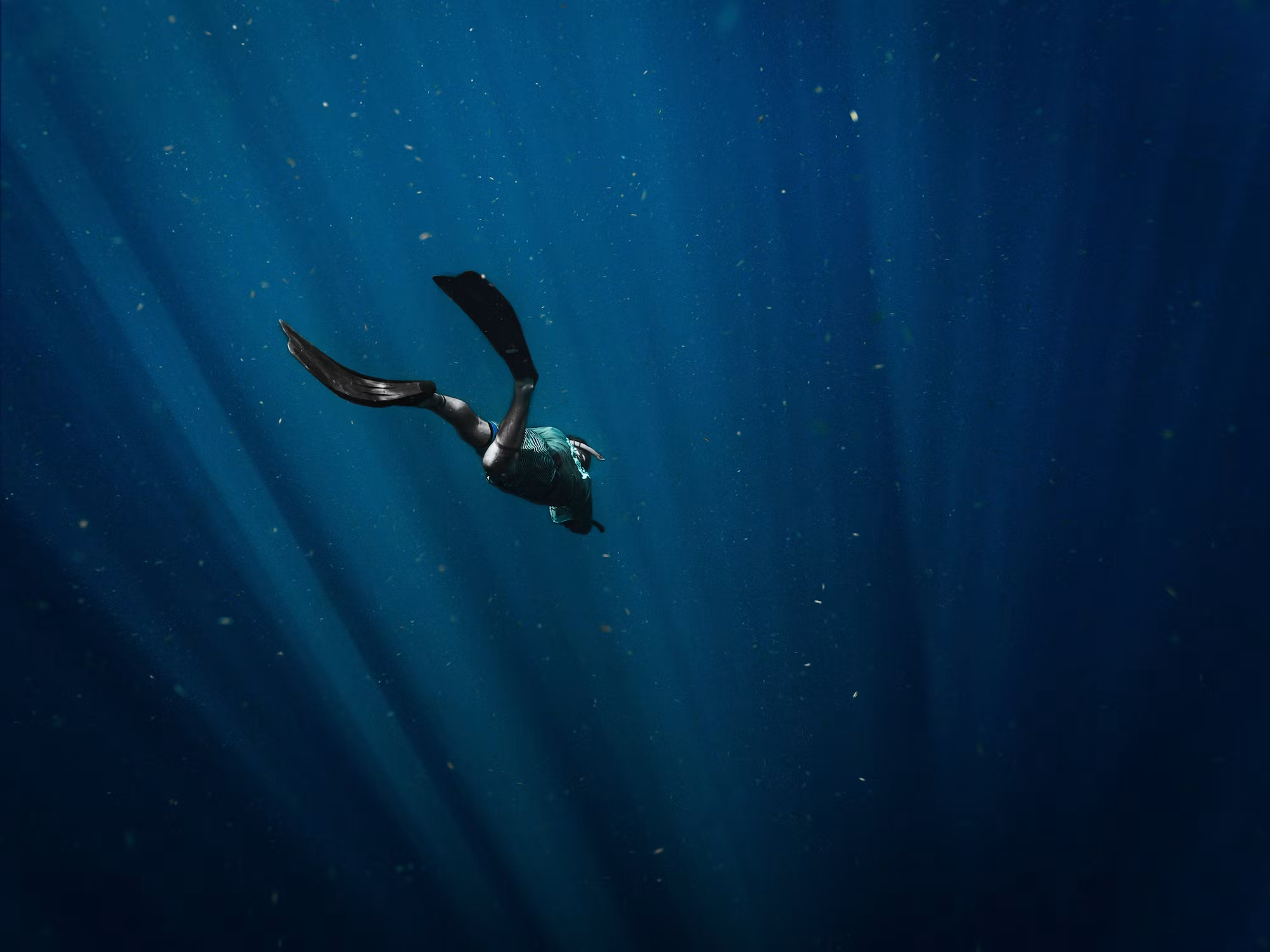
Diving has long been a source of fascination and adventure, drawing enthusiasts from all corners of the globe to explore the enchanting underwater realms. With a variety of diving styles available, each offering distinct experiences and challenges, individuals can find a path that resonates with their passion for exploration. This article takes a closer look at the different styles of diving, highlighting their unique characteristics, techniques, and the excitement they bring to adventurers of all levels.
Scuba Diving: A Gateway to the Depths
Scuba diving is often the first experience that many people associate with underwater exploration. It provides the opportunity to engage deeply with marine environments, utilizing specialized equipment such as tanks, regulators, and buoyancy devices. With scuba gear, divers can descend to varying depths and explore vibrant ecosystems that teem with life. Scuba diving is accessible to both beginners and experienced divers, making it a favorite choice for those seeking adventure.
While scuba diving, participants frequently encounter a stunning array of marine creatures, from playful dolphins to intricate coral formations. Each dive offers a unique experience, whether it’s exploring a colorful reef, navigating through a shipwreck, or swimming alongside majestic sea turtles. Scuba diving not only creates unforgettable memories but also fosters a deeper appreciation for marine conservation, as divers witness firsthand the beauty and fragility of underwater ecosystems.
Snorkeling: The Simple Joy of Floating
For those who prefer a more relaxed approach to underwater exploration, snorkeling is an excellent choice. This activity requires minimal equipment—just a mask, snorkel, and fins—allowing individuals to float on the surface and observe the vibrant marine life below. Snorkeling is particularly popular among families, vacationers, and casual adventurers who want to enjoy the ocean without the need for extensive training.
Snorkeling can be experienced in a wide range of locations, from tropical lagoons to coastal reefs. These areas often boast crystal-clear waters and diverse marine biodiversity, making them perfect for exploring the wonders of the underwater world. As snorkelers glide above coral reefs, they often encounter schools of colorful fish, starfish, and even the occasional sea turtle. This gentle introduction to the ocean encourages environmental awareness and appreciation, prompting many to advocate for the protection of marine habitats.
Freediving: Embracing Breath-Holding
Freediving, also known as apnea diving, offers a unique perspective on underwater exploration, relying solely on breath-holding techniques. Freedivers rely on their ability to hold their breath and explore the ocean depths without the aid of scuba equipment. This discipline emphasizes physical and mental training, allowing participants to enhance their breath-holding capabilities and embrace the tranquility of underwater exploration.
Freediving includes various competitive disciplines, such as static apnea (holding breath underwater), dynamic apnea (swimming distances underwater), and depth disciplines that challenge divers to reach impressive depths. Each category requires specialized training, focusing on safety and technique. Many freedivers find a profound sense of freedom and connection with the ocean as they glide effortlessly through the water, experiencing the serene beauty of marine life in a way that few others do.
Technical Diving: Challenging the Depths
For those looking to push the boundaries of underwater exploration, technical diving offers exhilarating opportunities. This advanced discipline requires specialized training and equipment, enabling divers to navigate deeper waters, explore intricate cave systems, or investigate historic shipwrecks. Technical diving expands the limits of human exploration, allowing divers to reach depths that are often inaccessible to recreational divers.
Training for technical diving is rigorous and comprehensive, focusing on safety protocols, gas management, and emergency procedures. Divers learn to utilize advanced equipment, such as mixed gas systems, to ensure a safe exploration experience at greater depths. The thrill of technical diving lies not only in the adventure but also in the knowledge gained about underwater ecosystems, contributing to scientific research and conservation efforts.
Commercial Diving: The Professional Frontier
Diving also plays a critical role in various industries through commercial diving, which encompasses a range of professional activities, including underwater construction, inspection, maintenance, and marine research. This discipline requires specialized training and skills, allowing divers to work safely and efficiently in diverse underwater environments.
Commercial divers are often tasked with inspecting underwater structures, repairing pipelines, or conducting scientific studies. Their work is essential for maintaining infrastructure and supporting marine conservation initiatives. Many commercial divers find fulfillment in their careers, as they contribute to important projects that enhance our understanding of the underwater world and its ecosystems.
Underwater Photography: Capturing the Ocean’s Beauty
For many divers, underwater photography adds an artistic dimension to their adventures. This discipline focuses on capturing stunning images and footage of marine life, coral reefs, and underwater landscapes using specialized camera equipment. Underwater photographers must possess a unique skill set, including an understanding of light, composition, and marine behavior.
The art of underwater photography requires patience and creativity, as photographers often wait for the perfect moment to capture the vibrant colors and intricate details of the ocean. This art form not only allows for personal expression but also raises awareness about marine conservation. By sharing breathtaking visuals, underwater photographers can inspire others to appreciate and protect the delicate ecosystems that inhabit the oceans.
Cave Diving: Unveiling Hidden Wonders
Cave diving presents an extraordinary opportunity to explore submerged caves and cavern systems, revealing stunning geological formations and unique ecosystems. This specialized discipline requires rigorous training and safety protocols, as divers navigate the challenges associated with confined spaces. Cave divers must be proficient in navigation and emergency procedures to ensure a safe and enjoyable experience.
The beauty of cave diving lies in the thrill of discovery as divers explore hidden underwater realms that few have ventured into. Many cave systems hold rich histories and unique ecosystems, showcasing a world that remains largely untouched by human activity. The tranquility of navigating through these subterranean environments offers a unique experience, allowing divers to immerse themselves in the natural beauty of the underground.
Ice Diving: A Chilling Adventure
Ice diving offers a rare opportunity to explore underwater environments beneath frozen surfaces. This discipline requires specialized skills and equipment, enabling divers to navigate cold waters and manage the unique challenges associated with ice-covered bodies of water. Ice diving often occurs in lakes or seas during winter months, unveiling an extraordinary ecosystem that thrives in frigid conditions.
Diving beneath the ice, surrounded by stunning ice formations, creates an unforgettable experience for adventurous divers. The beauty and serenity of ice diving captivate many, as they witness the unique interactions of marine life in a cold environment. Safety measures are crucial in ice diving, ensuring that divers can explore these breathtaking underwater realms with confidence.
Night Diving: A Unique Perspective
Night diving presents a captivating way to experience the underwater world after dark. Utilizing specialized lights, divers can illuminate their surroundings, revealing nocturnal marine life and unique behaviors that remain hidden during the day. The atmosphere of a night dive is often serene, providing an opportunity to witness the ocean in a different light.
Night dives attract vibrant marine life, including bioluminescent organisms that create an enchanting spectacle. The thrill of exploring the ocean at night captivates many divers, making it an unforgettable adventure. Proper training and safety precautions are essential for night diving, ensuring that participants can navigate the underwater world with confidence and ease.
Reef Diving: Immersed in Biodiversity
Reef diving allows divers to experience some of the planet’s most diverse ecosystems. Coral reefs, teeming with life, provide a stunning backdrop for underwater exploration. This type of diving emphasizes the importance of marine conservation, as divers witness firsthand the delicate balance of these ecosystems.
Diving over coral reefs presents opportunities to encounter a rich variety of marine species, from colorful fish to intricate coral formations. This immersive experience fosters a deeper appreciation for the ocean and highlights the need for sustainable practices to protect these vital ecosystems. Engaging in reef diving can inspire individuals to advocate for marine conservation, ensuring that future generations can enjoy the beauty of these underwater environments.
Wreck Diving: A Journey Through Time
Wreck diving offers a fascinating glimpse into history as divers explore sunken ships, aircraft, or artificial reefs submerged underwater. These sites often tell stories of maritime exploration, trade, and adventure, creating a unique blend of exploration and education.
Wreck dives require careful planning and respect for the site, as many wrecks hold historical significance and are often home to diverse marine life. Divers can encounter remnants of the past while observing how marine ecosystems adapt to these artificial habitats. Wreck diving satisfies the curiosity of adventurers while contributing to historical preservation and marine research, creating a lasting connection to the past.
Conclusion
Diving encompasses a wide array of disciplines, each offering unique experiences and opportunities for exploration. Whether you’re drawn to the accessibility of snorkeling, the challenges of technical diving, or the artistic pursuits of underwater photography, there is a diving style suited to every adventurer. As you embark on your diving journey, prioritize safety, education, and environmental awareness. Each dive is an invitation to connect with the ocean, witness its beauty, and advocate for its preservation. Embrace the adventure and explore the depths—your ultimate underwater experience awaits!
Alpine Snowboarding: Mastering the Art of Speed and Precision
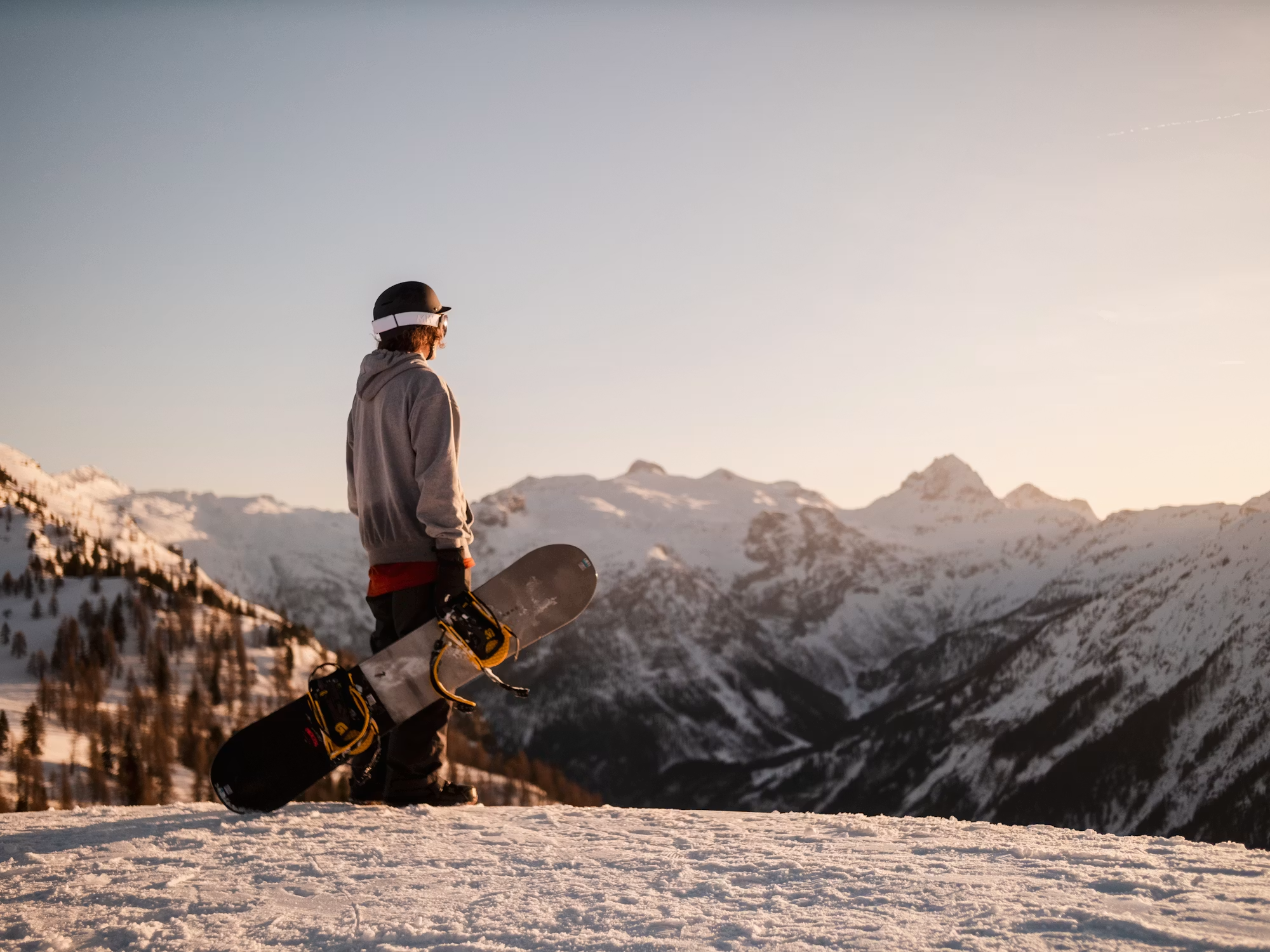
Alpine snowboarding is a discipline that emphasizes speed, precision, and technical skill. Unlike freestyle snowboarding, which is focused on tricks and creative maneuvers, alpine snowboarding is all about mastering turns, carving down groomed trails, and maintaining control at high speeds. It’s a thrilling and challenging sport that requires a deep understanding of board mechanics, balance, and the terrain.
Whether you’re a seasoned rider looking to refine your carving technique or a beginner interested in learning the art of alpine snowboarding, this guide will help you navigate the fundamentals of this exciting sport. From equipment choices to key techniques, we’ll cover everything you need to know to excel in alpine snowboarding.
What is Alpine Snowboarding?
Alpine snowboarding, often referred to as carving, is a discipline where riders focus on high-speed descents on groomed trails, using precise turns to carve through the snow. The primary goal of alpine snowboarding is to maintain control and rhythm while riding at fast speeds, all while carving deep, clean lines into the snow.
Unlike freestyle snowboarding, which emphasizes air tricks and terrain park features, alpine snowboarding is all about using the snowboard’s edges to carve turns efficiently. Riders maintain a narrow, forward stance to allow for deep carving, with each turn executed with a strong edge grip to maximize speed and control. Alpine snowboarding is often seen as the most technical form of snowboarding due to the precision and skill required to execute smooth, high-speed runs.
In addition to recreational alpine snowboarding, there is also alpine racing, which involves navigating a timed course filled with gates and slalom turns. Boardercross, another popular variation of alpine snowboarding, combines elements of alpine racing with high-speed competition and jumps, making it a thrilling spectator sport.
Essential Gear for Alpine Snowboarding
When it comes to alpine snowboarding, having the right equipment is essential for both performance and safety. While the gear required for alpine snowboarding isn’t dramatically different from other snowboarding disciplines, certain features of the equipment are more important in alpine conditions.
Snowboard Selection
The right snowboard can make a huge difference in your alpine snowboarding performance. Alpine boards are typically narrower and longer than freestyle boards to provide better edge control and stability at high speeds. They are designed with a stiffer flex, which allows for more precise turns and greater stability when carving.
The board’s edge profile is also crucial for alpine snowboarding. Most alpine boards have a more pronounced sidecut, which helps the rider make sharp, clean turns. Additionally, a camber profile (where the board is slightly raised in the middle) is common in alpine snowboards, as it provides better edge pressure when carving.
For beginners, an all-mountain board with a narrower waist and a medium flex can be a good choice for experimenting with alpine carving before committing to a full alpine board.
Bindings and Boots
Bindings play a significant role in alpine snowboarding, as they need to provide the rider with solid control while still allowing for flexibility and movement. Alpine bindings are typically stiffer and more responsive than freestyle bindings, as they need to support high-speed turns and aggressive carving.
In terms of boots, alpine snowboard boots are stiffer and more rigid than freestyle boots. This stiffness is necessary for maximum control and precision during sharp turns. The boots should fit snugly and provide adequate ankle support, allowing the rider to stay connected to the board without sacrificing comfort.
Helmet and Safety Gear
Safety is critical in alpine snowboarding, particularly when riding at high speeds. A well-fitted helmet is essential to protect your head during falls, which can happen at any time, especially when navigating steep terrain or making aggressive turns.
Other essential safety gear includes wrist guards, elbow pads, and knee pads. Alpine snowboarders also benefit from wearing goggles to protect their eyes from snow glare and the cold wind that often accompanies fast descents. It’s important to dress in layers, as alpine conditions can be cold and windy, and the high speeds can make you feel even colder.
Key Techniques for Alpine Snowboarding
Alpine snowboarding requires a combination of balance, edge control, and technique. Here are the fundamental skills you need to master to become proficient in alpine snowboarding.
The Art of Carving
Carving is the cornerstone of alpine snowboarding. The goal of carving is to make smooth, controlled turns while maintaining maximum speed. Unlike skidding, where the snowboard slides across the snow, carving involves the snowboard’s edges biting into the snow to create clean, precise arcs.
To carve effectively, you need to apply pressure to the edge of the snowboard and shift your weight from one edge to the other as you make turns. Your body should remain centered over the board, with your knees bent and your upper body facing forward. The key to successful carving is to make smooth, fluid movements while keeping the board in constant contact with the snow.
Mastering Turns
In alpine snowboarding, turning is all about control. To initiate a turn, you need to apply pressure to the edge of the board. You can turn by either leaning on your heels or toes, depending on whether you are making a heel-side or toe-side turn. The more pressure you apply, the sharper your turn will be.
During a turn, it’s important to maintain your balance and avoid leaning too far forward or backward. Keeping your body weight centered helps you stay in control and avoid losing your edge. Additionally, keeping your turns fluid and consistent will help you maintain speed while preventing the board from slipping out from under you.
Speed Control and Stability
One of the biggest challenges of alpine snowboarding is maintaining control at high speeds. As you carve down the mountain, you’ll need to manage your speed by adjusting your turns and using your edges effectively.
To slow down, you can perform a series of shallow turns, gradually reducing your speed by cutting the snow with your edges. Avoid using the snowplow method, which is common in beginner snowboarding, as it can be less effective at high speeds. Instead, focus on carving progressively and maintaining your balance throughout the turn.
If you’re heading into steeper terrain, you’ll also need to adjust your body position. Lower your center of gravity by bending your knees and keeping your torso angled forward. This stance helps you maintain stability and control, especially when navigating rougher terrain or icy patches.
Riding in Slalom and Boardercross
Alpine snowboarding also encompasses alpine racing, which takes place on a course with gates that riders must navigate through as quickly as possible. These timed races require precise turns, agility, and quick reflexes to avoid missing gates or losing speed.
Boardercross, on the other hand, combines the elements of alpine racing with the added challenge of jumps, berms, and obstacles. Riders race down a course that features sharp turns and high-speed sections, often competing with others in a thrilling head-to-head format.
Both types of alpine racing emphasize speed, technique, and the ability to navigate challenging terrain under pressure. These competitions are a great way to push your skills to the limit and learn how to carve at even higher speeds.
Tips for Improving Your Alpine Snowboarding Skills
As with any sport, practice is key to improving your alpine snowboarding skills. Here are a few tips to help you progress:
– Focus on Edge Control: The most important skill in alpine snowboarding is mastering edge control. Spend time on the slopes practicing making smooth, controlled turns and adjusting your pressure on the edges.
– Ride on Steeper Terrain: To improve your carving, try riding on steeper slopes that challenge your ability to maintain control at high speeds. Start slow and gradually increase your speed as you become more comfortable.
– Take an Alpine Snowboarding Class: If you’re looking to accelerate your progress, consider taking a lesson from a certified instructor who specializes in alpine snowboarding. An experienced instructor can give you personalized tips and help you refine your technique.
Conclusion: The Thrill of Alpine Snowboarding
Alpine snowboarding is a sport that demands precision, control, and a love for speed. Whether you’re carving down groomed trails, participating in alpine racing, or taking on the challenges of boardercross, alpine snowboarding offers a thrilling and rewarding experience. By mastering the techniques of carving, improving your edge control, and investing in the right gear, you can enhance your performance and enjoy the thrill of navigating the mountain with style and confidence.
Cycling for All: Exploring the Many Ways to Ride
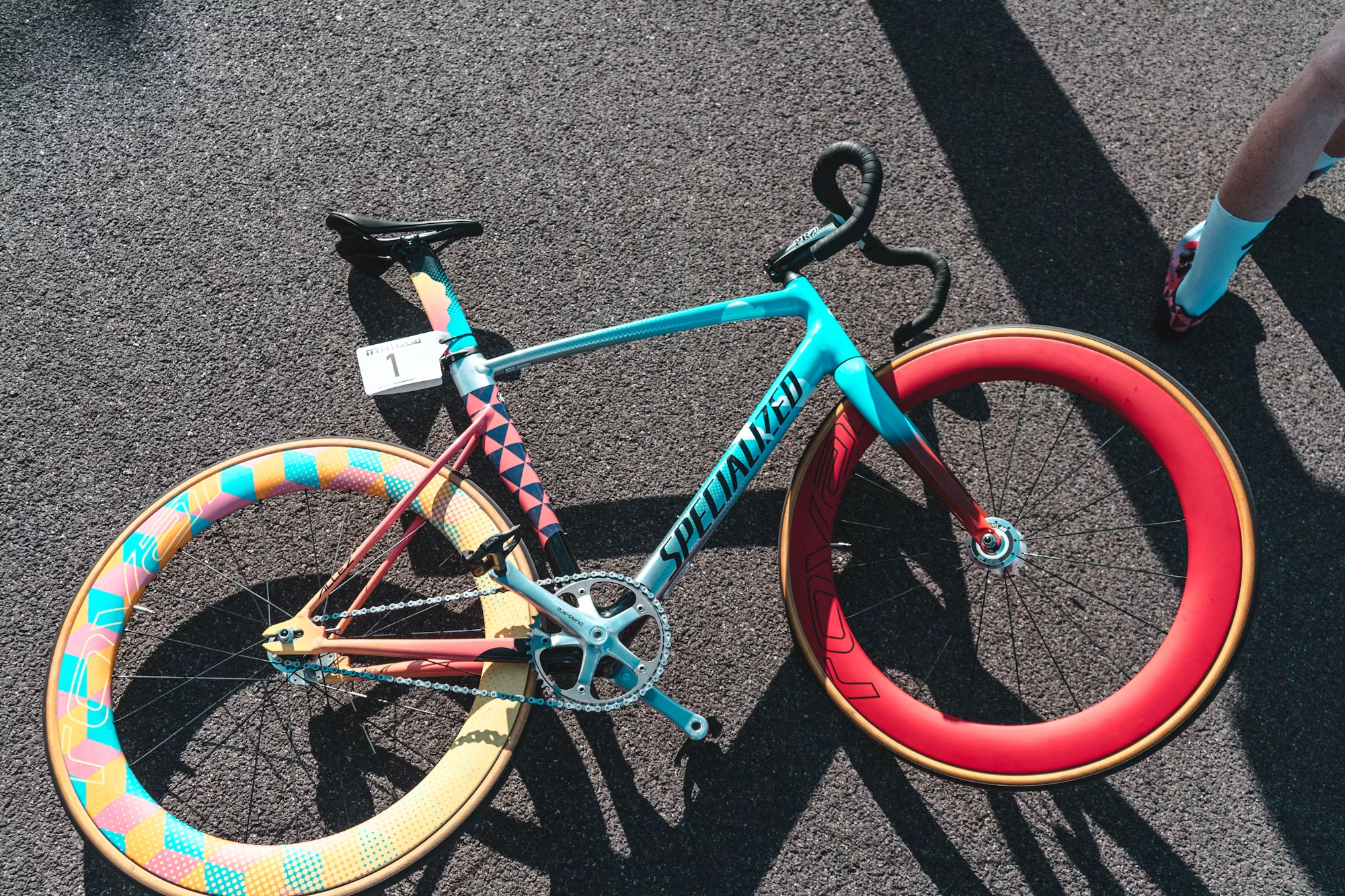
Cycling is one of the most versatile and accessible activities in the world, with a range of disciplines suited to every rider’s preferences. Whether you’re seeking the thrill of competition, the adventure of exploring new landscapes, or the fitness benefits of regular exercise, cycling provides endless opportunities to ride at any level. From high-speed road races to laid-back bike touring, cycling is an exciting and sustainable way to stay active and engaged with the world around you. In this article, we will take a deep dive into the most popular forms of cycling and discuss what makes each discipline unique.
Road Cycling: The Classic Discipline
Road Racing: A Fast-Paced Challenge of Speed and Strategy
Road racing is perhaps the most recognized form of cycling. It involves racing on paved roads, with events ranging from short sprints to multi-day races covering hundreds of kilometers. The pinnacle of road racing is the Tour de France, a prestigious event that challenges riders with mountain climbs, time trials, and intense competition. Road racing is often seen as the epitome of cycling, where both individual and team tactics play an important role in determining the winner.
In road racing, riders must manage their energy, balancing speed with endurance. Strategy comes into play as riders work together in teams to support their leaders, while others attempt to break away from the pack. It’s not just about speed; road racing involves careful timing, navigating corners, and dealing with the ever-changing dynamics of the race. Cyclists also face the mental challenge of staying focused over long distances, often in extreme weather conditions. Road racing is ideal for those who seek competition and enjoy pushing their limits in a high-pressure environment.
Endurance Riding: Long-Distance Adventures
For those who love the idea of cycling without the stress of competition, endurance riding is an excellent alternative. This discipline focuses on covering long distances, often over several hours or even days, at a steady pace. Randonneuring and audax rides are great examples of endurance cycling, where riders follow pre-determined routes and aim to complete them within specific time limits.
Endurance riding is less about racing and more about the joy of the journey. Riders often pass through scenic landscapes, remote villages, and quiet country roads. While it still requires physical stamina and mental resilience, endurance cycling is more about finding your rhythm and enjoying the ride than trying to beat the clock. It’s a fantastic discipline for cyclists who enjoy exploration and want to test their own endurance, all while enjoying the peaceful surroundings of nature.
Mountain Biking: Off-Road Thrills and Adventure
Cross-Country (XC): Endurance and Technique on the Trails
Mountain biking offers a completely different experience from road cycling, taking riders off the beaten path and into the great outdoors. Cross-country (XC) mountain biking is one of the most popular and accessible forms of off-road cycling. Riders navigate dirt trails, rocky paths, and forested areas, tackling everything from steep climbs to technical descents.
XC mountain biking is a great mix of endurance and skill. Riders must be physically fit enough to climb hills and navigate rugged terrain, while also possessing the technical skills to safely descend and avoid obstacles. XC events can range from short, high-intensity races to long-distance endurance challenges. The terrain may vary from dirt roads to challenging singletrack, which can be rocky, muddy, or root-filled. For cyclists who enjoy pushing themselves through diverse landscapes and tackling natural obstacles, XC mountain biking offers an exciting challenge.
Downhill (DH): Speed and Thrills on Steep Slopes
If you’re someone who craves adrenaline, downhill (DH) mountain biking is the discipline for you. Unlike XC, which is a blend of endurance and technique, DH is all about fast descents. Riders take on steep, technical trails, often with jumps, drops, and other obstacles, aiming to descend as quickly as possible.
Downhill riding requires skill, precision, and the ability to control your bike at high speeds. The courses are typically shorter but filled with intense technical features. Riders navigate through rocky paths, tight turns, and jumps, all while trying to maintain momentum and avoid accidents. DH races are often held on dedicated downhill tracks, which are specifically designed for the high-speed thrills that this discipline offers. It’s an exciting, fast-paced form of mountain biking that offers riders the chance to test their nerves and bike-handling skills.
Enduro: A Hybrid Discipline Combining XC and DH
Enduro is a relatively new form of mountain biking that combines elements of both cross-country and downhill. In an enduro race, cyclists are timed only during the downhill stages, while the uphill segments are untimed, allowing riders to conserve their energy for the next descent. It’s a discipline that tests both the endurance required for XC and the technical skill needed for DH.
Enduro events are typically multi-day affairs that take riders through challenging terrain, requiring both physical stamina and bike-handling expertise. Riders must climb hills and navigate technical trails, all while maintaining speed during the timed downhill stages. It’s a versatile discipline that offers the best of both worlds for riders who love both the endurance aspects of XC and the excitement of downhill riding.
BMX: Speed, Skill, and High-Flying Action
Racing: Fast Paced and Full of Action
BMX racing is one of the most exciting and action-packed forms of cycling. Riders compete on dirt tracks filled with jumps, berms, and tight corners. The races are short but intense, often lasting less than a minute, with the goal being to cross the finish line first.
BMX racing tests riders’ speed, agility, and bike-handling skills. The tracks are designed to be challenging, with obstacles that require quick reflexes and precise control. BMX riders must navigate jumps, turns, and obstacles while maintaining their momentum and outpacing their competitors. It’s a fast, high-energy sport that requires explosiveness, strength, and mental focus. BMX racing is perfect for cyclists who love speed and competition in a short, high-intensity format.
Freestyle: Creativity and Tricks on Two Wheels
Freestyle BMX is the creative side of the sport. Riders perform tricks, flips, and stunts on ramps, rails, and other obstacles, aiming to showcase their skill and creativity. It’s all about style and technical ability, with riders pushing the limits of what they can do on two wheels.
Freestyle BMX is popular in skateparks and urban settings, where riders can practice their moves and compete in trick contests. It’s a sport that emphasizes individual expression and innovation. Riders experiment with new tricks, combining flips, spins, and grinds into routines that highlight their technical prowess and personal style. Freestyle BMX is a fantastic choice for cyclists who enjoy performing and mastering complex tricks.
Touring and Recumbent Cycling: The Joy of Exploration
Bike Touring: Exploring the World at Your Own Pace
Bike touring is a leisurely form of cycling that allows riders to explore new places, cities, and landscapes at their own pace. Unlike road racing or mountain biking, bike touring is about the journey rather than the competition. Cyclists travel long distances, often over several days or weeks, taking in the sights, sounds, and cultures of the regions they pass through.
Bike touring can be done solo or as part of a group, and cyclists often carry their gear with them, or use support vehicles to transport their luggage. Touring cyclists have the freedom to choose their own routes, make stops along the way, and fully immerse themselves in the experience of long-distance travel. Whether cycling through scenic countryside, along coastlines, or across entire countries, bike touring offers a rewarding and sustainable way to see the world.
Recumbent Biking: Comfort and Efficiency on Long Rides
For those who want a more comfortable ride, recumbent cycling offers an alternative to traditional upright bicycles. Recumbent bikes feature a reclining seat that allows the rider to sit in a more relaxed position, reducing strain on the back and wrists. This makes recumbent biking an excellent choice for long-distance riders or cyclists who may have physical limitations.
Recumbent bikes come in various styles, including two-wheel and three-wheel options, and they offer a smooth, efficient ride. The ergonomic design allows for less wind resistance and more comfort over long distances, making recumbent bikes ideal for touring. The unique riding position also provides better visibility, which can be an advantage on busy roads. Recumbent cycling is an excellent option for those who want to ride without sacrificing comfort.
Conclusion
Cycling is a diverse and exciting sport that offers something for everyone. Whether you’re looking for competitive racing, off-road adventure, or the freedom to explore at your own pace, there is a cycling discipline that suits your interests and abilities. From road racing to mountain biking, BMX to touring, each form of cycling provides unique challenges and rewards, allowing cyclists to connect with nature, push their limits, and experience the world in a new way. No matter how you choose to ride, cycling is a rewarding activity that promotes fitness, adventure, and a sense of community.
Beneath the Waves: An Exploration of Diving Adventures
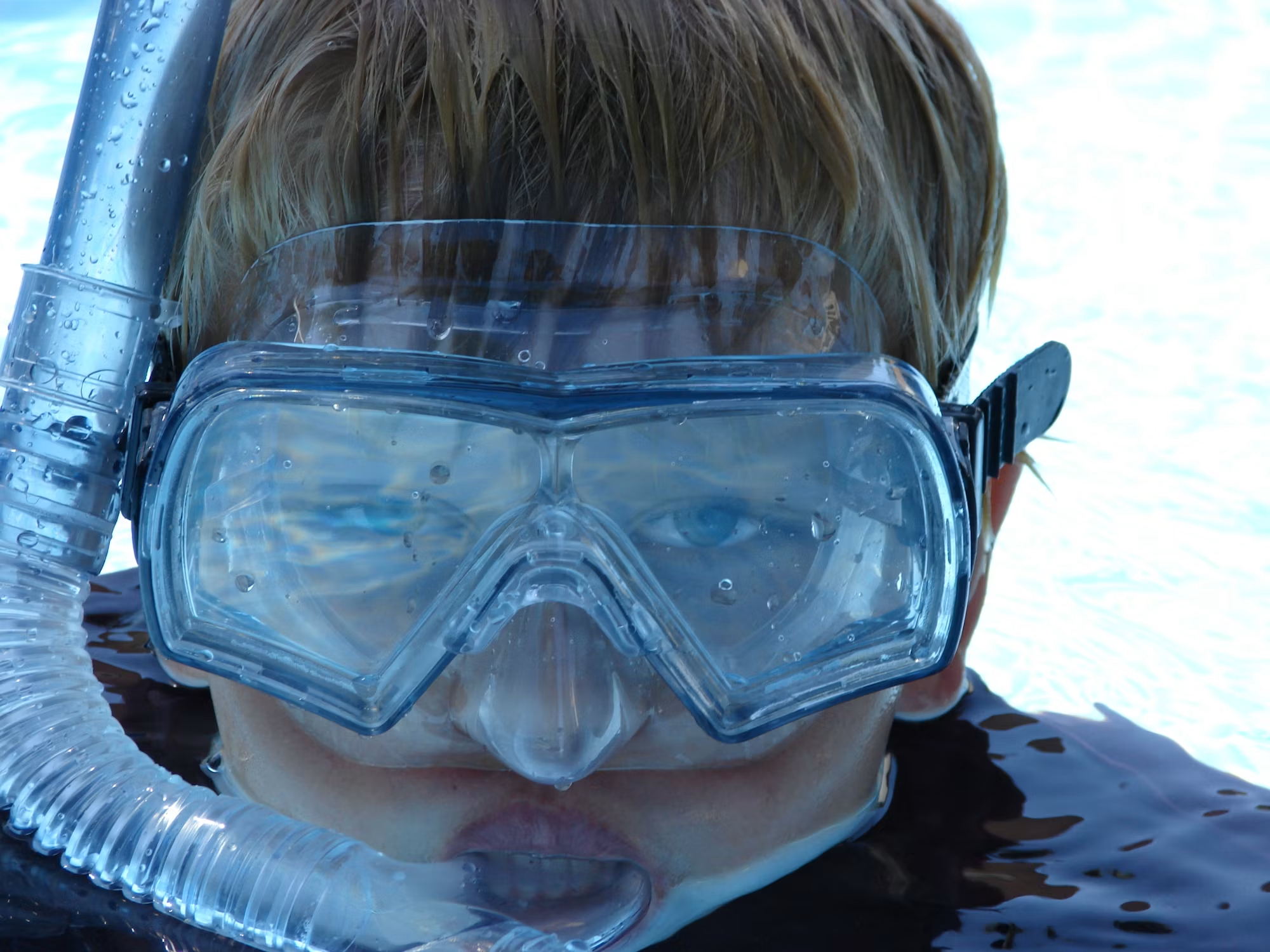
The ocean, with its mesmerizing depths and vibrant ecosystems, offers countless opportunities for exploration and adventure. For those with a spirit of discovery, diving provides a gateway to witness the wonders of the underwater world. This article delves into various forms of diving, including scuba diving, snorkeling, freediving, and technical diving, illustrating the unique experiences each offers while emphasizing the importance of marine conservation.
Scuba Diving: The Gateway to Underwater Exploration
Scuba diving is perhaps the most well-known form of underwater exploration. With the aid of self-contained underwater breathing apparatus (scuba), divers can venture into the depths of the ocean, allowing them to experience marine life in its natural habitat. The journey often begins with obtaining a diving certification through reputable organizations like PADI or SSI, which provides essential training on equipment use, safety protocols, and environmental awareness.
Once certified, divers are ready to explore iconic diving locations around the globe, from the Great Barrier Reef in Australia to the stunning cenotes in Mexico. Each dive presents a unique opportunity to encounter colorful coral reefs, schools of tropical fish, and even larger marine creatures like sharks and manta rays. The thrill of descending into crystal-clear waters, surrounded by vibrant underwater landscapes, creates an unforgettable experience that resonates with many.
Snorkeling: An Accessible Introduction to Marine Life
For those not ready for the depths of scuba diving, snorkeling serves as an excellent alternative. This activity requires minimal gear—a mask, snorkel, and fins—allowing individuals to float on the surface and observe the underwater world below. Snorkeling is particularly appealing for families and beginners, as it provides an accessible way to experience the beauty of the ocean without extensive training.
Destinations like the Maldives, Hawaii, and the Caribbean are renowned for their exceptional snorkeling opportunities, where clear waters teem with life. Guided snorkeling tours enhance the experience, offering insights into local ecosystems and marine conservation. As snorkelers glide above colorful reefs, they can encounter various fish species, sea turtles, and even the occasional dolphin, fostering a sense of wonder and appreciation for the ocean’s biodiversity.
Freediving: The Art of Breath-Holding
Freediving, also known as apnea diving, offers a unique approach to exploring the underwater realm. This discipline emphasizes breath-holding techniques and mental relaxation, allowing divers to experience the ocean in a different way. Freedivers rely solely on their ability to hold their breath while exploring depths, promoting a deeper connection with the aquatic environment.
Training for freediving involves mastering breath control, equalization techniques, and physical fitness. Many freedivers find the experience to be meditative, as they learn to relax their bodies and minds while submerged. Freediving can range from casual exploration of shallow waters to competitive events where athletes aim for incredible depths. The tranquility of being underwater without bulky equipment provides a unique perspective on marine life and encourages a deep appreciation for the ocean’s mysteries.
Technical Diving: Venturing into Deeper Waters
For those seeking more challenging underwater experiences, technical diving opens up a world of adventure. This advanced form of diving requires specialized training, knowledge of different gas mixtures, and the use of specific equipment. Technical divers explore deeper and more complex environments, such as wrecks, caves, and deep reefs, where standard recreational diving may not be feasible.
Key elements of technical diving include managing gas mixtures to optimize breathing at various depths. This specialized training equips divers with the skills to navigate complex situations and emergencies, making it possible to explore the ocean’s hidden treasures. The allure of uncovering underwater landscapes and experiencing the thrill of diving in less-traveled waters makes technical diving a favorite among seasoned adventurers.
Underwater Photography: Capturing the Ocean’s Beauty
Underwater photography is a captivating way to document and share the wonders of the ocean. With the right equipment, divers can capture stunning images of marine life, intricate coral formations, and the breathtaking landscapes found beneath the waves. This art form not only preserves memories but also plays a crucial role in raising awareness about marine conservation and the importance of protecting these fragile ecosystems.
To excel in underwater photography, divers must learn about lighting, composition, and the behavior of marine creatures. Many photographers attend workshops and participate in online communities to refine their skills and share their experiences. The images captured can inspire others to appreciate the ocean’s beauty, highlighting the need for conservation efforts to protect these vital habitats for future generations.
Wreck Diving: Exploring Sunken History
Wreck diving provides a thrilling combination of adventure and history, allowing divers to explore the remains of sunken ships, planes, and other vessels. These underwater sites often transform into artificial reefs, creating new habitats for marine life and adding layers of ecological richness. Wreck diving is not just about the thrill; it offers a glimpse into maritime history and the stories behind these submerged relics.
Each wreck tells a unique story, capturing the imagination of divers who visit these sites. Famous wreck diving locations, such as the USS Liberty in Bali or the SS Thistlegorm in the Red Sea, are known for their historical significance and vibrant ecosystems. Exploring these underwater time capsules deepens the appreciation for the ocean’s connection to human history and the importance of preserving these treasures for future generations.
Cave Diving: A Journey into the Depths
Cave diving is an adventurous form of diving that requires specialized training and safety protocols. This discipline allows divers to explore submerged cave systems characterized by stunning geological formations and unique ecosystems. Cave diving presents distinct challenges, including low visibility and confined spaces, making thorough preparation essential.
The allure of cave diving lies in the exploration of hidden wonders, such as stalactites, stalagmites, and unique aquatic life adapted to cave environments. Those who venture into these underwater labyrinths often describe the experience as otherworldly, as they navigate through tunnels and caverns that evoke a sense of exploration and discovery.
Night Diving: An Enchanted Underwater Experience
For those looking to experience the ocean in a different light, night diving offers a unique perspective on marine life. This activity reveals a completely different atmosphere, as many marine species exhibit varied behaviors at night. Divers can witness the captivating sight of bioluminescent organisms and nocturnal creatures, creating an enchanting experience beneath the waves.
Safety is a key consideration during night dives, and divers must stay close to their buddies while using dive lights for visibility. The tranquility of the underwater world at night, combined with the thrill of discovering hidden wonders, makes night diving a cherished experience for many. The ocean transforms into a magical realm, inviting divers to explore its depths in a new light.
The Importance of Marine Conservation
As underwater explorers, divers play a vital role in advocating for marine conservation. The ocean is a delicate ecosystem that requires protection from pollution, overfishing, and climate change. By participating in underwater activities, divers can raise awareness and support initiatives aimed at preserving marine environments.
Many dive organizations encourage divers to engage in reef cleanups and educational programs focused on marine preservation. Fostering a sense of responsibility towards the ocean helps ensure that future generations can experience the beauty and wonder of underwater exploration. By becoming advocates for marine conservation, divers contribute to a collective effort to safeguard these precious ecosystems.
Conclusion
The underwater world is a treasure trove of adventure, beauty, and discovery. Whether through scuba diving, snorkeling, freediving, or underwater photography, each experience offers unique insights into the richness of marine ecosystems. As divers embrace the wonders of the ocean, they also take on the responsibility of protecting these fragile environments for the future. With countless opportunities for exploration and adventure, the ocean awaits, ready to reveal its secrets to those willing to dive in.