A Beginner’s Guide to Saltwater Fishing: Techniques and Tips

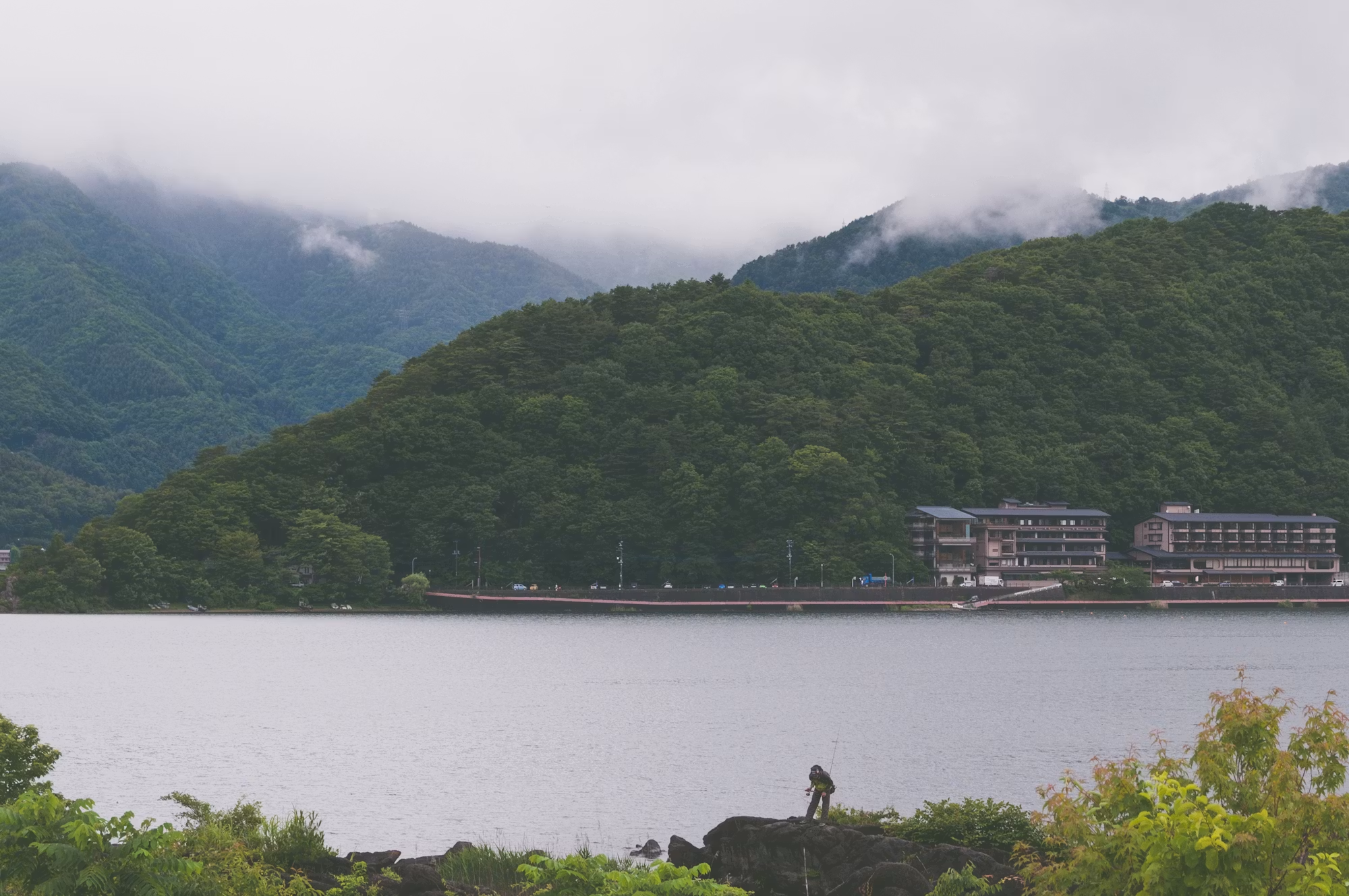
Saltwater fishing is a thrilling and rewarding activity that allows anglers to explore vast oceanic environments and target a variety of species. Whether you’re casting from a beach, fishing off a pier, or venturing out on a boat, saltwater fishing offers an abundance of opportunities. This article serves as a beginner’s guide, providing essential techniques, gear recommendations, and tips to help you embark on your saltwater fishing adventure.

Understanding Saltwater Fishing

Saltwater fishing involves fishing in oceans, seas, and brackish waters where freshwater meets the sea. The diversity of species in saltwater environments is immense, ranging from small baitfish to larger game fish like tuna and marlin. Each species has its unique habits, habitats, and feeding patterns, making saltwater fishing an exciting challenge for anglers.

Essential Gear for Saltwater Fishing

Before heading out, it’s crucial to have the right equipment. Here’s a list of essential gear for successful saltwater fishing:

1. Fishing Rod and Reel: Saltwater fishing requires sturdy equipment to handle the weight and strength of larger fish. A medium to heavy action rod paired with a spinning or conventional reel is ideal. Ensure that your reel is designed for saltwater use to prevent corrosion.

2. Fishing Line: Use a strong braided line or monofilament line with a higher pound test to withstand the rigors of saltwater fishing. A line with at least 20-30 lb test is recommended for most species.

3. Hooks and Terminal Tackle: Select hooks based on the species you’re targeting. Circle hooks are popular for catch-and-release fishing, while J-hooks are commonly used for bait fishing. Don’t forget sinkers, swivels, and leader lines, which are essential for rigging your setup.

4. Bait and Lures: Live bait like shrimp, mullet, or crabs can be incredibly effective, but artificial lures also work well. Jigs, spoons, and topwater lures are popular choices depending on the target species and conditions.

5. Tackle Box: Organize your gear in a tackle box to ensure easy access while fishing. Waterproof tackle boxes can protect your gear from the saltwater environment.

6. Safety Equipment: Always wear a life jacket when fishing from a boat or kayak. Sunscreen, a hat, and polarized sunglasses are also recommended to protect against the sun’s glare and UV rays.

Techniques for Saltwater Fishing

Different techniques can be employed in saltwater fishing, each suited to specific conditions and target species:

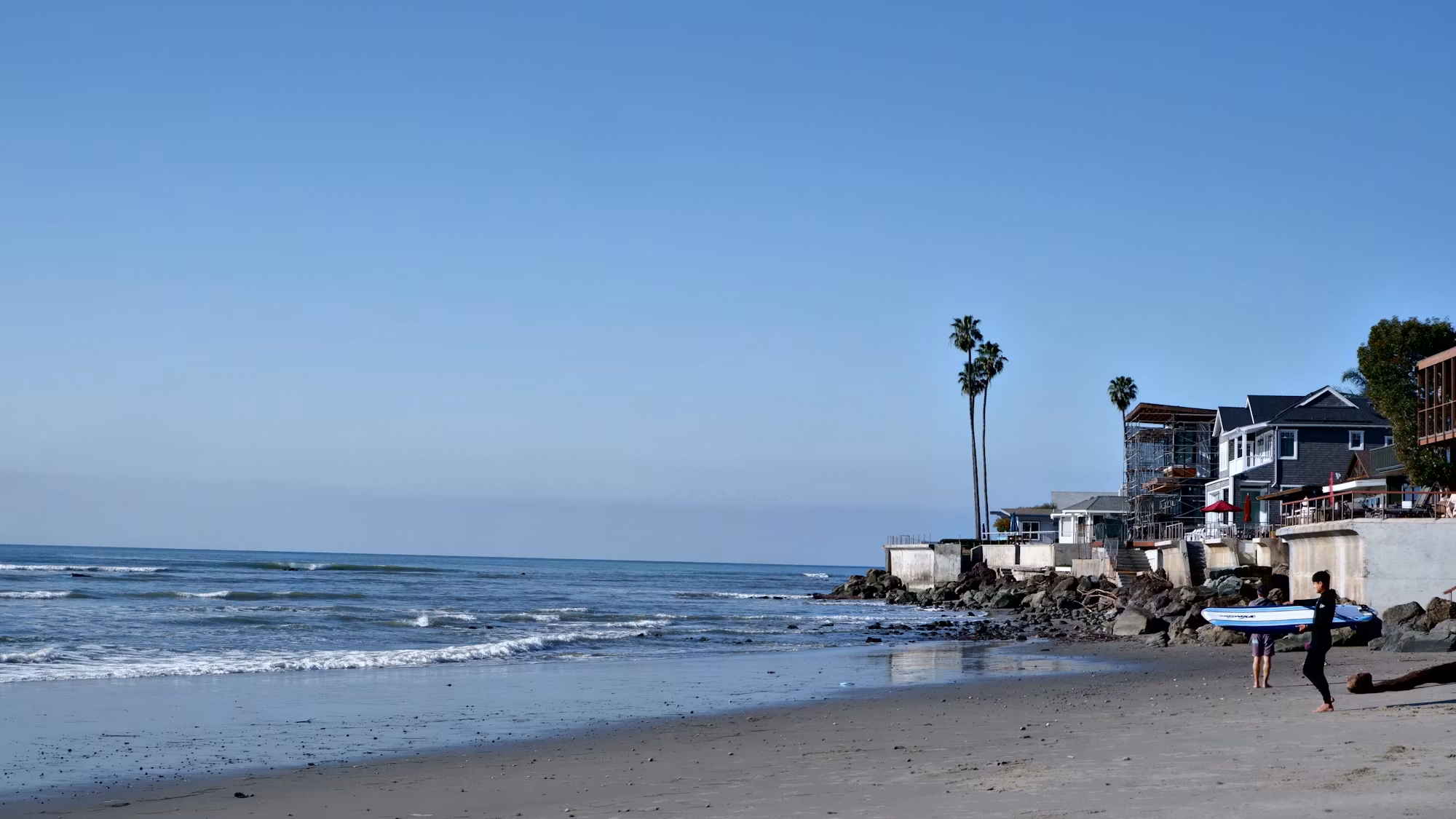
1. Surf Fishing: Casting from the shore into the surf is a popular method. Choose a sturdy rod and reel to handle the waves and potential larger fish. Look for sandy or rocky areas where fish may be feeding on smaller baitfish.

2. Pier Fishing: Fishing from piers allows access to deeper water where various species congregate. Use heavier gear and longer rods to cast your lines further out. Common catches include snapper, mackerel, and grouper.

3. Boat Fishing: Venturing out on a boat opens up opportunities to target offshore species. This method can involve trolling, bottom fishing, or jigging, depending on your target. Trolling is especially effective for larger species like tuna and marlin.

4. Kayak Fishing: For those seeking adventure, kayak fishing allows for easy access to remote areas. Paddling quietly can help you sneak up on fish without spooking them. Ensure you have a stable kayak equipped with rod holders and storage for your gear.

5. Bottom Fishing: This technique involves dropping baited hooks to the seafloor, targeting species like flounder and snapper. Use heavy weights to keep your bait in place against currents.

6. Trolling: Dragging lures behind a moving boat can effectively attract pelagic species. Adjust your speed and depth to find what works best, and be ready for the excitement of a strike!

Best Times for Saltwater Fishing

Timing can significantly affect your fishing success. Early morning and late afternoon are typically the best times, as fish are more active during these periods. Additionally, fishing during tides can increase your chances of a good catch. Many anglers find that the hours leading up to high tide or falling tide are particularly productive.

Tips for Successful Saltwater Fishing

1. Research Local Regulations: Familiarize yourself with local fishing regulations, including size and bag limits, to ensure compliance and promote sustainable practices.

2. Observe the Environment: Pay attention to the weather, tides, and water conditions. Fish are more likely to be active in certain conditions, such as overcast days or during a tidal change.

3. Stay Patient: Fishing requires patience and perseverance. Don’t be discouraged by slow days; every outing provides valuable experience and knowledge.

4. Network with Other Anglers: Engaging with the local fishing community can provide insights and tips on effective techniques and hotspots. Joining fishing forums or local clubs can enhance your experience.

5. Keep a Fishing Log: Documenting your fishing experiences, including species caught, locations, and conditions, can help you identify patterns and improve your future outings.

Conclusion

Saltwater fishing offers an exhilarating way to connect with nature and enjoy the outdoors. With the right gear, techniques, and knowledge, beginners can embark on a rewarding fishing journey. As you explore the vast waters, remember to embrace the experience, practice sustainable fishing, and respect the environment. With patience and perseverance, the thrill of saltwater fishing awaits, promising unforgettable memories and a deeper appreciation for our oceans and the life they sustain.

Discovering the Secrets of Night Diving: An Underwater Adventure

Night diving offers a truly magical experience, transporting divers into an underwater world that comes alive after the sun sets. As daylight fades, nocturnal marine life emerges, revealing a different side of the ocean that many divers never experience. This article delves into the art of night diving, discussing the preparations needed, the unique challenges faced, and the extraordinary wonders that await beneath the waves.

Before embarking on a night dive, it’s crucial to have a solid foundation in diving skills. Night diving requires advanced buoyancy control, as visibility is often limited and the underwater environment can look vastly different than during the day. It’s advisable for divers to complete at least a few daytime dives in the same location to become familiar with the underwater topography and potential hazards. This prior knowledge can significantly enhance the night diving experience.

Proper preparation is key to a successful night dive. Divers should ensure they have reliable equipment, including a high-quality dive light. The dive light not only illuminates the surrounding area but also serves as a communication tool among dive buddies. Red filters can be attached to dive lights to preserve night vision while providing enough light to see the incredible marine life. Additionally, bringing backup lights and signaling devices is essential for safety.

One of the most unique aspects of night diving is the opportunity to observe nocturnal marine life in its natural habitat. Many species, such as octopuses, crabs, and various fish, are more active at night, providing divers with the chance to witness behaviors that are rarely seen during the day. For instance, many fish species that hide during the day come out to feed at night, and divers may even encounter bioluminescent organisms that light up the water with their natural glow.

Safety should always be a top priority during night diving. Divers should follow established protocols and maintain close communication with their dive buddy throughout the dive. Staying close together not only enhances safety but also allows for shared experiences, as divers can point out fascinating marine life to one another. It’s also important to have a clear plan for the dive, including entry and exit points, as well as a designated surface area for reuniting after the dive.

The thrill of night diving often lies in the unexpected. As divers descend into the dark water, they enter a realm that feels both alien and familiar. The darkness can be disorienting, but the beam of the dive light reveals a vibrant world teeming with life. It’s common for divers to be captivated by the sight of fish darting through the beams of light or the mesmerizing dance of bioluminescent plankton, creating a dreamlike atmosphere.

Many dive operators offer guided night dives, which can be particularly beneficial for those who are new to this type of diving. Experienced guides provide valuable insights into the local marine life, pointing out unique species and explaining their behaviors. These guided dives not only enhance safety but also enrich the overall experience, as divers gain knowledge and appreciation for the underwater ecosystem.

The emotional impact of night diving is profound. The transition from the familiar to the unknown can evoke feelings of excitement and wonder. As divers navigate through the darkness, they often find themselves more attuned to their surroundings, heightening their senses and deepening their connection to the ocean. This experience can lead to a greater appreciation for marine life and a desire to advocate for its protection.

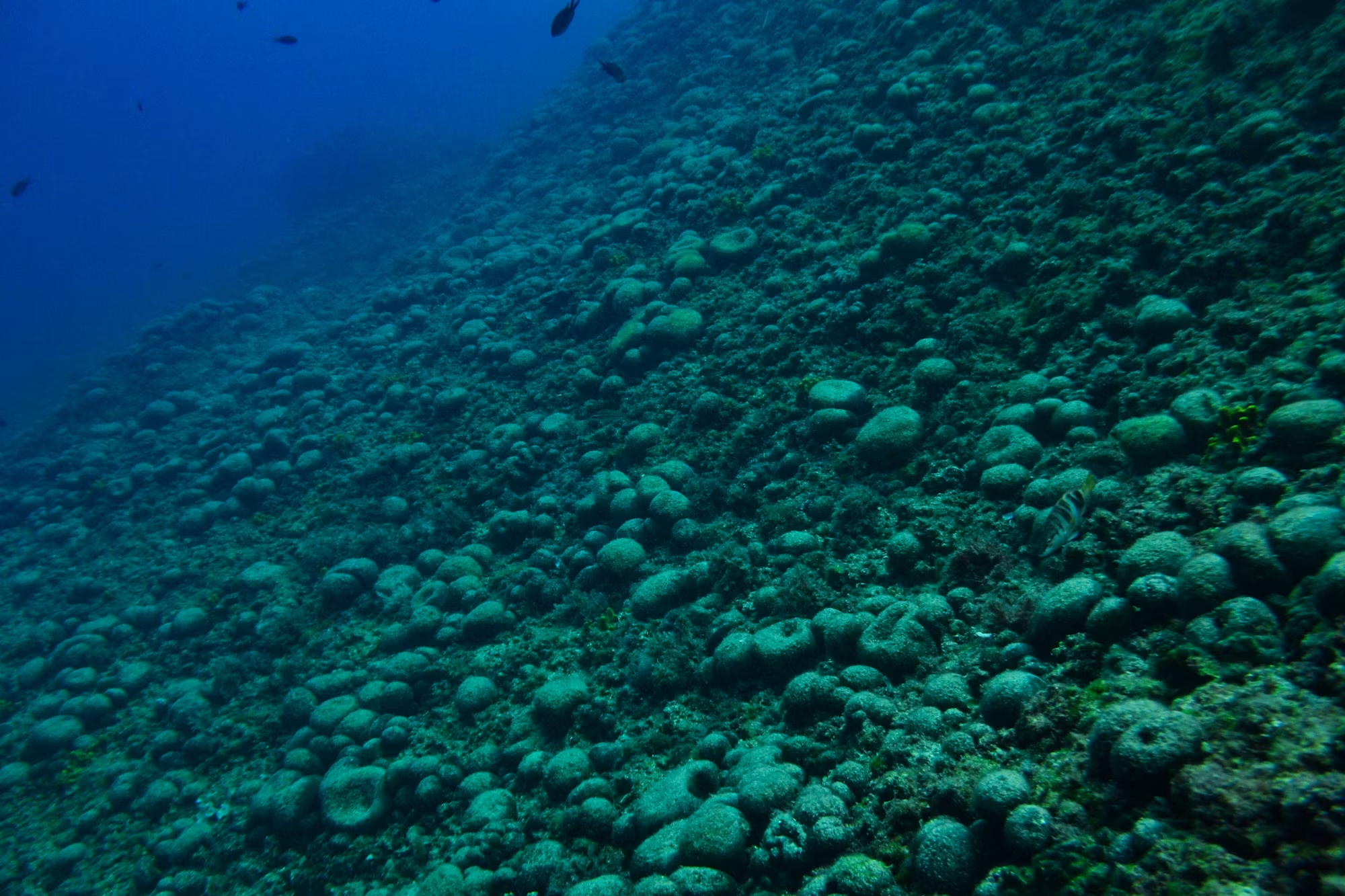
In addition to the captivating marine life, night diving often reveals stunning underwater landscapes that can be overlooked during the day. The interplay of light and shadow creates dramatic visuals, transforming coral formations and underwater structures into captivating works of art. Experienced photographers often seek out night dives to capture the beauty of the ocean in a different light, creating breathtaking images that showcase the underwater world’s unique charm.

While the allure of night diving is undeniable, it’s essential to recognize that this activity requires a respectful approach to the marine environment. Divers should avoid disturbing marine life and refrain from touching or collecting anything from the ocean floor. Practicing responsible diving not only protects fragile ecosystems but also ensures that future generations can enjoy the wonders of night diving.

As divers become more experienced with night dives, they may want to explore more challenging locations, such as wrecks or caves, that offer a unique perspective of the underwater world. Night wreck diving, for instance, reveals the haunting beauty of submerged vessels illuminated by dive lights, creating an atmosphere that is both eerie and mesmerizing. Similarly, cave diving at night requires careful planning and specialized training, as divers navigate intricate passages in low visibility conditions.

Many divers find that the sense of camaraderie fostered during night dives is one of the highlights of the experience. Sharing the excitement of encountering unusual marine life and exploring the depths together strengthens bonds between dive buddies. These shared adventures often lead to lasting friendships, as divers recount their unforgettable experiences and inspire one another to continue exploring the underwater world.

For those considering night diving, it’s important to approach this exhilarating experience with the right mindset. Embrace the unknown, stay curious, and remember that each dive offers a new opportunity for discovery. Whether you’re witnessing a sleeping sea turtle, marveling at the bioluminescence of plankton, or navigating the silhouette of a coral reef, the memories created during night dives are sure to last a lifetime.

In conclusion, night diving is an enchanting adventure that offers a glimpse into the captivating world of marine life after dark. With proper preparation, a respect for safety, and a sense of wonder, divers can experience the thrill of exploring the ocean in a whole new light. As you embark on your night diving journey, cherish the unique opportunities it presents and take the time to appreciate the beauty and mystery of the underwater world that comes alive when the sun goes down.

Exploring the Thrills of Snowboarding: Techniques and Styles for Every Rider

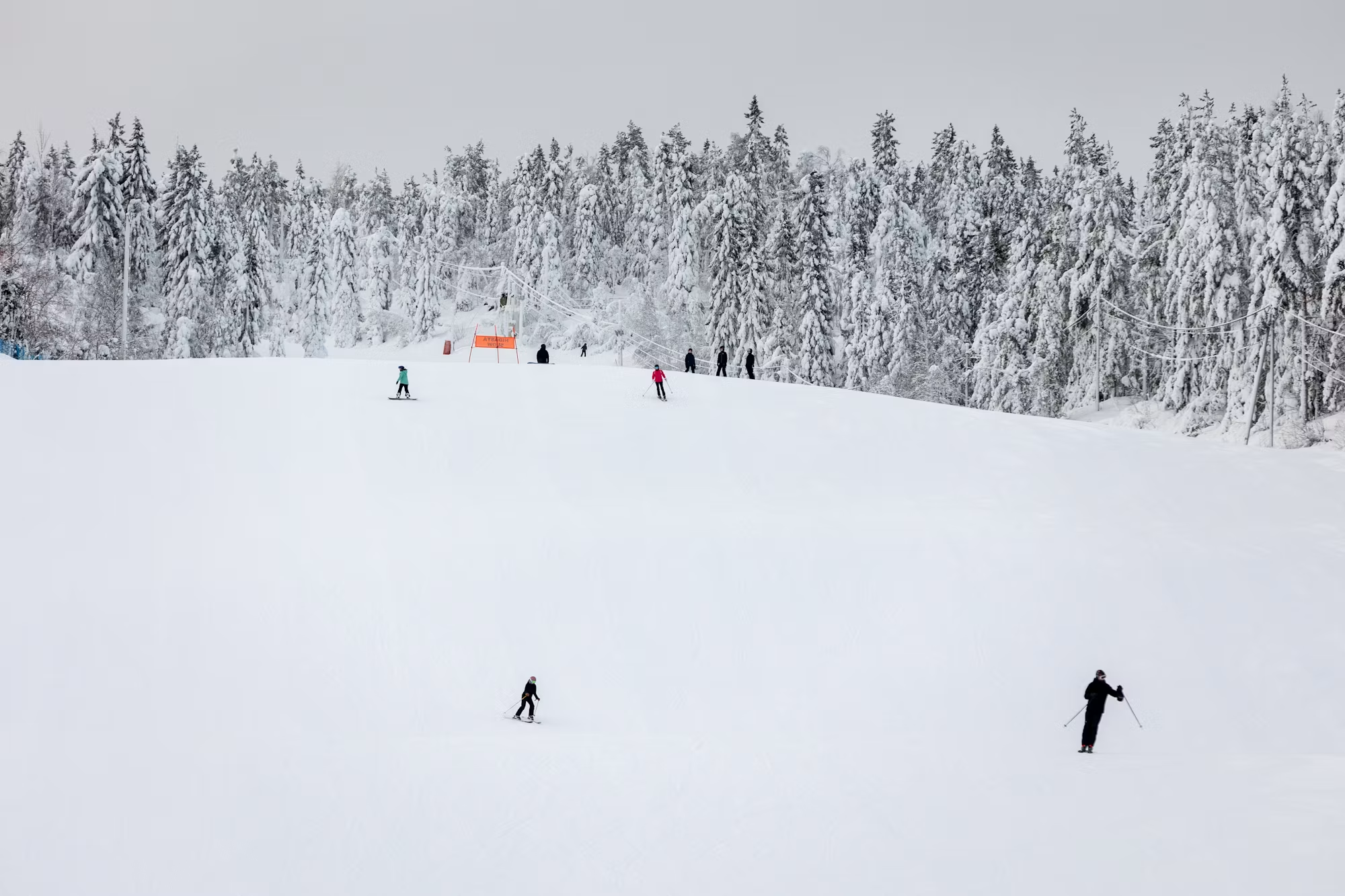
Snowboarding is more than just a winter sport; it’s an exhilarating adventure that brings together nature, skill, and the thrill of speed. As snow blankets the mountains, riders from all over the world gather to embrace the slopes, each carving their own path through the powder. This article aims to explore the diverse techniques and styles of snowboarding while offering insights to help both beginners and experienced riders maximize their enjoyment.

The Essence of Snowboarding
At its core, snowboarding is about freedom—freedom to glide down mountains, perform tricks, and experience the beauty of winter landscapes. Every ride offers a unique thrill, whether you’re speeding down a groomed trail or exploring untouched backcountry. For newcomers, snowboarding can seem daunting, but with the right guidance and practice, anyone can learn to ride with confidence.

Essential Techniques for Snowboarding
Mastering fundamental techniques is crucial for enjoying the sport to its fullest. Below are some essential skills every snowboarder should focus on:

1. Finding Your Stance: The first step in your snowboarding journey is determining your stance. Most riders choose between a regular stance (left foot forward) or a goofy stance (right foot forward). It’s essential to find the stance that feels most comfortable, as this will significantly impact your balance and control on the board.

2. Balancing on the Board: Achieving balance is key when learning to snowboard. A good practice is to shift your weight from your toes to your heels while riding, helping you maintain control. Focusing on keeping a strong core and an upright posture will also aid in achieving better balance, allowing you to navigate various terrains smoothly.

3. Turning Techniques: Learning to turn effectively is vital for navigating the slopes. Begin with basic toe-side and heel-side turns. For a toe-side turn, lean forward and press down on your toes, while for a heel-side turn, lean back and press down on your heels. With practice, these techniques will become second nature, enabling you to maneuver confidently.

4. Stopping Safely: Knowing how to stop is essential for your safety and that of others around you. The most common method is the heel-side stop, which involves shifting your weight back onto your heels and pressing down on the edge of the board to slow down gradually. Mastering this technique is crucial for maintaining control.

5. Carving: Carving allows riders to make smooth, arced turns using the edges of the snowboard, enhancing speed and control. To carve effectively, lean into your turns and use your knees to guide the board. Regular practice of carving will lead to a more fluid and dynamic riding style.

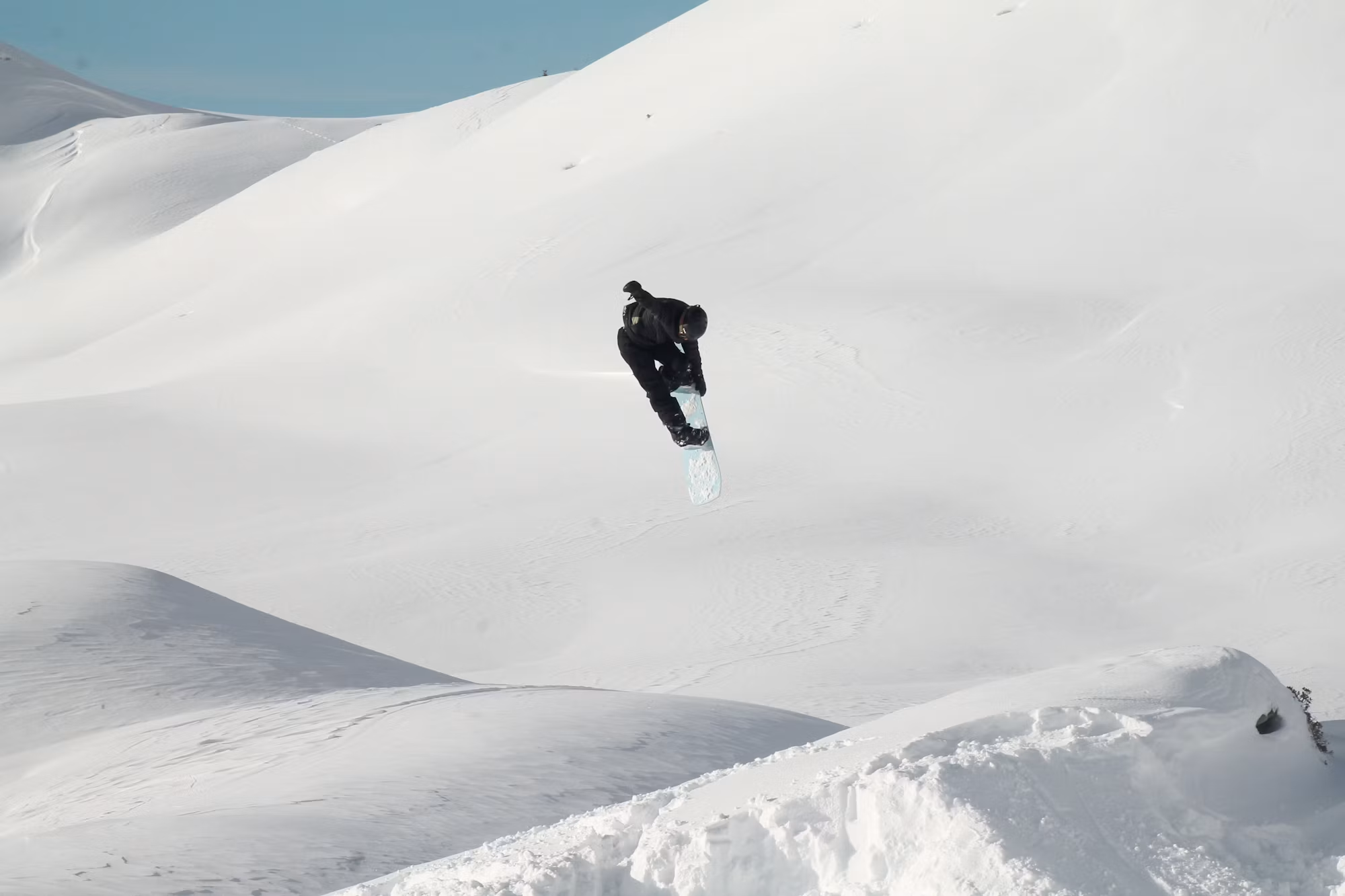
6. Jumping and Tricks: For those interested in freestyle snowboarding, learning to jump and perform tricks is essential. Start with small jumps to build confidence, focusing on proper takeoff and landing techniques. As your skills improve, you can explore spins, grabs, and other tricks that showcase your creativity on the slopes.

Different Styles of Snowboarding
Snowboarding encompasses a variety of styles, each offering unique experiences and challenges. Here are some popular styles to consider:

1. Freestyle Snowboarding: This style focuses on creativity and expression, allowing riders to perform tricks on features like rails, boxes, and halfpipes found in terrain parks. Freestyle snowboarding encourages riders to develop their individual styles and skills.

2. All-Mountain Riding: All-mountain riders enjoy diverse terrains, including groomed trails, moguls, and off-piste areas. This versatile style allows riders to adapt to different conditions, making it perfect for those who want a well-rounded snowboarding experience.

3. Freeride Snowboarding: For adventurers seeking untouched snow, freeride snowboarding is an excellent choice. This discipline involves exploring backcountry areas, where riders can experience the beauty of nature while navigating fresh powder. Freeride snowboarding requires knowledge of terrain and snow conditions, making safety a priority.

4. Alpine Racing: Speed enthusiasts will find excitement in alpine racing, where riders navigate courses filled with gates. This style emphasizes precision and technique, allowing competitors to achieve the fastest time down the slope.

5. Boardercross: Combining racing and freestyle elements, boardercross involves multiple riders racing down a course featuring jumps and obstacles. This fast-paced discipline adds a competitive edge, requiring strategy and skill.

Selecting the Right Gear
Choosing the appropriate gear is vital for a successful snowboarding experience. The right equipment enhances performance, comfort, and safety. Here are the key components to consider:

1. Snowboard: Selecting the right snowboard is crucial. Different boards cater to various riding styles; freestyle boards are typically shorter and more flexible for park riding, while all-mountain boards offer versatility across different terrains. When choosing a snowboard, consider your skill level and preferred riding style.

2. Bindings: Bindings connect your boots to your snowboard. They come in various styles, such as strap-in and rear-entry. Choose bindings that fit snugly and are compatible with your board, as proper adjustment of the angle and stance width can enhance your riding experience.

3. Boots: Comfort and support are essential when selecting snowboarding boots. Available in soft and stiff options, your choice should depend on your riding style. Soft boots provide flexibility for freestyle riders, while stiff boots offer better support for all-mountain and alpine riding. Ensure your boots fit well to enhance control and reduce fatigue.

4. Protective Gear: Safety is paramount in snowboarding. Always wear a helmet to protect your head during falls, and consider wrist guards to prevent injuries. Padded shorts and impact vests can provide additional protection, especially for beginners who are still mastering their skills.

Tips for an Enjoyable Snowboarding Experience
To ensure a fulfilling day on the slopes, consider the following tips:

1. Know Your Limits: Riding within your skill level is crucial for safety and enjoyment. While it’s great to challenge yourself, understanding your limits can prevent accidents and enhance your experience.

2. Stay Hydrated and Energized: Snowboarding is physically demanding, so staying hydrated and well-nourished is vital. Bring snacks and drink water throughout the day to maintain your energy levels, ensuring you can enjoy every moment on the slopes.

3. Warm-Up and Stretch: Before hitting the slopes, take a few minutes to warm up and stretch your muscles. This practice helps prevent injuries and prepares your body for the activity ahead, allowing you to ride comfortably.

4. Take Lessons: If you’re new to snowboarding or want to refine your skills, consider taking lessons from a qualified instructor. Professional guidance can accelerate your learning process and provide valuable feedback.

5. Enjoy the Journey: Remember, snowboarding is about having fun. Embrace the learning process, celebrate your progress, and don’t be discouraged by falls. Each run is an opportunity to grow as a rider and create lasting memories.

The Snowboarding Community
One of the most rewarding aspects of snowboarding is the community it fosters. Riders come together to share their experiences, tips, and passion for the sport. Whether you join a local snowboarding club or connect with fellow riders on the mountain, the camaraderie enhances the overall experience. Engaging with others who share your enthusiasm can lead to lasting friendships and unforgettable adventures.

In conclusion, snowboarding is an exhilarating sport that offers endless opportunities for adventure, skill development, and enjoyment. By mastering essential techniques, selecting the right gear, and following helpful tips, you can enhance your experiences on the slopes. Whether you’re carving down groomed trails, exploring backcountry terrain, or catching air in the terrain park, the thrill of snowboarding awaits. So gear up, embrace the mountain, and embark on your snowboarding journey!

Exploring the Thrill of Snowboarding: Techniques and Styles

Snowboarding is a dynamic sport that combines adrenaline, skill, and creativity, making it a beloved activity for winter sports enthusiasts. With a rich variety of styles, each offering unique challenges and rewards, snowboarding invites riders to explore the slopes in different ways. This article explores the main styles of snowboarding, including freestyle, freeride, alpine, and adaptive riding, highlighting key techniques and equipment that define each discipline.

The Allure of Freestyle Snowboarding

Freestyle snowboarding is perhaps the most recognizable form of the sport, celebrated for its focus on creativity and trick performance. This style encourages riders to express themselves through jumps, spins, and stunts, often performed in specially designed terrain parks. The essence of freestyle lies in innovation and personal style, allowing each rider to develop their unique approach.

Terrain Park Riding

Terrain parks are specifically constructed areas on ski resorts that feature various obstacles and jumps, including rails, boxes, and halfpipes. They serve as the playground for freestyle riders, offering a space to practice tricks and showcase their skills. Starting in a terrain park can be an exhilarating experience for beginners. It’s advisable to begin with smaller features to build confidence before attempting larger jumps and more complex tricks.

Riders often progress from basic maneuvers, such as grabs and spins, to more advanced techniques like flips and grinds. The focus on creativity allows riders to experiment and develop their personal style, contributing to the vibrant culture surrounding freestyle snowboarding.

Halfpipe Riding

Halfpipe riding takes freestyle to new heights—literally. In this discipline, riders navigate a U-shaped snow structure, executing aerial tricks while bouncing off the walls. Mastering the halfpipe requires a blend of technique, timing, and a good understanding of momentum. Key tricks include spins, flips, and stylish grabs, all performed in rhythm with the pipe’s flow.

To excel in halfpipe riding, athletes often practice their approach and landing techniques, aiming for clean, controlled movements that maximize height and style. The thrill of launching into the air and performing tricks against a stunning snowy backdrop makes halfpipe riding an exhilarating aspect of freestyle snowboarding.

Embracing Freeride and All-Mountain Riding

Freeride and all-mountain snowboarding provide an exciting contrast to the structured environment of freestyle parks. These styles are all about versatility and exploration, inviting riders to experience the diverse terrain that mountains have to offer.

All-Mountain Riding

All-mountain riding is the most adaptable style, combining elements from both groomed runs and off-piste adventures. This style allows riders to navigate a variety of terrains, including groomed trails, moguls, tree runs, and even backcountry areas. The essence of all-mountain riding lies in its ability to adapt to changing conditions, making it perfect for riders who love to explore every corner of the mountain.

To become proficient in all-mountain riding, one must develop a wide range of techniques. Carving, managing variable snow conditions, and navigating obstacles are all critical skills. All-mountain riders should be prepared for anything, whether it’s gliding down a perfectly groomed slope or tackling a fresh powder line through the trees.

Backcountry Riding

For those seeking the ultimate adventure, backcountry riding offers an unparalleled experience. This discipline involves venturing into unmarked and ungroomed areas of the mountain, allowing riders to experience untouched powder and breathtaking scenery. However, backcountry riding requires a high level of skill and knowledge regarding safety and navigation.

Many backcountry enthusiasts use splitboards, which can be divided into two skis for uphill climbing and reassembled for downhill riding. Before hitting the backcountry, it’s crucial to be equipped with avalanche safety gear, including a beacon, shovel, and probe. Additionally, understanding the terrain and weather conditions is vital to ensure a safe and enjoyable experience.

The Thrill of Freeride Snowboarding

Freeride snowboarding encompasses big mountain riding, emphasizing steep descents and challenging terrain. This style is all about utilizing the mountain’s natural features, allowing riders to tackle cliffs, chutes, and deep powder. Freeride riders often thrive on the adrenaline rush that comes from exploring the most rugged and beautiful landscapes.

Big Mountain Riding

Big mountain riding is where the most daring snowboarders excel. This style involves navigating steep, challenging lines and conditions that require not only skill but also courage. Many athletes in this discipline are drawn to the thrill of seeking out fresh powder and tackling steep descents, often filmed in breathtaking mountain locations.

To succeed in big mountain riding, one must first master all-mountain skills, focusing on terrain management, jumping techniques, and understanding snow conditions. The camaraderie among freeride athletes is strong, as they often share a passion for exploration and adventure, inspiring one another to push their limits.

Alpine and Race Snowboarding

Alpine snowboarding presents a more technical approach, focusing on precision and speed. This style is closely associated with competitive racing, where athletes navigate through gates on specially designed courses. The thrill of racing adds a layer of excitement to the sport, showcasing the athletes’ skills and dedication.

Alpine Racing

In alpine racing, riders are challenged to complete courses as quickly as possible while maintaining control and executing sharp turns. This requires a unique set of skills and often involves training with specialized boards that are stiffer and designed for maximum speed and edge control. Competitors in this discipline practice relentlessly, honing their technique and building strength to improve their performance.

Alpine racing events are not only a test of speed but also a showcase of sportsmanship and camaraderie among competitors. The intense training and dedication required foster a supportive community that celebrates each other’s achievements and encourages growth.

Boardercross and Snowboard Cross (SBX)

Boardercross, or snowboard cross (SBX), combines elements of racing and freestyle, creating thrilling competitions where multiple riders race down a course filled with jumps, berms, and obstacles. This discipline emphasizes strategy and speed, as athletes navigate the course while competing against each other. Boardercross events are known for their excitement, making them a fan favorite at competitions.

The Importance of Adaptive Snowboarding

One of the most heartening aspects of snowboarding is its inclusivity. Adaptive snowboarding techniques and equipment modifications have made it possible for individuals with disabilities to enjoy the thrill of the sport. Many resorts offer adaptive programs, ensuring that snowboarding is accessible to everyone, regardless of ability.

Adaptive riders often use specialized equipment, including sit skis and outriggers, to navigate the slopes safely. The adaptive snowboarding community is vibrant and supportive, with athletes participating in competitions and events that showcase their incredible skills and determination.

Conclusion

Snowboarding is a diverse and thrilling sport that offers something for everyone, regardless of experience or style preference. From the creative expression found in freestyle and halfpipe riding to the adventurous spirit of freeride and backcountry, each style provides unique opportunities for exploration and growth. As the sport continues to evolve, embracing trends like inclusivity and sustainability will ensure that snowboarding remains a beloved activity for generations to come. Whether you’re carving down a groomed slope or exploring untouched powder, the world of snowboarding invites you to discover your passion and share in the joy of riding.

Cycling Adventures: Finding Your Path on Two Wheels

Cycling is not merely a hobby; it’s a way of life that invites adventure and exploration. Whether you’re racing against the clock, conquering mountain trails, or enjoying a scenic ride through the countryside, cycling offers endless possibilities for all kinds of enthusiasts. In this article, we will explore different cycling disciplines, their unique experiences, and how they can cater to individual preferences and lifestyles.

The Universal Appeal of Cycling

Cycling is a sport that transcends age, skill level, and fitness. It brings together people from all walks of life, united by a shared love for two wheels and the freedom they represent. The health benefits of cycling are well-known; it provides an excellent cardiovascular workout, builds muscle strength, and enhances flexibility. This low-impact activity is particularly appealing to those who may find traditional exercises challenging, making it a suitable choice for individuals of varying fitness levels.

But cycling offers more than just physical benefits. The mental health advantages are equally compelling. Many cyclists find that riding allows them to escape the stresses of daily life, providing a sense of freedom and peace. The rhythmic motion of pedaling can be meditative, fostering clarity and creativity. For many, a long bike ride is the perfect way to recharge and reconnect with oneself.

Road Cycling: Speed and Strategy

Road Cycling is one of the most recognized forms of cycling, encompassing everything from casual rides to high-stakes racing. Road Racing presents thrilling challenges where cyclists compete on paved surfaces, pushing their limits in various events ranging from local criteriums to renowned races like the Tour de France. This discipline not only tests physical endurance but also requires strategic thinking and teamwork. Riders must collaborate with teammates, use drafting techniques, and time their efforts to maximize speed and efficiency.

For those who prefer the journey to the destination, Endurance Riding focuses on long-distance cycling, emphasizing the experience rather than speed. Events such as randonneuring challenge participants to cover significant distances while enjoying the beauty of their surroundings. These rides often foster a sense of community, with participants sharing tips, stories, and support along the way. Completing long rides can lead to immense satisfaction and personal growth, providing memories that last a lifetime.

The Thrill of Mountain Biking

For adventure seekers, Mountain Biking opens up an exhilarating world. This discipline is all about tackling rugged terrains and steep trails, and it comes in various styles. Cross-Country (XC) mountain biking emphasizes endurance and technical skills. Riders navigate through diverse landscapes filled with challenging climbs and descents, testing their limits while surrounded by stunning natural beauty.

On the other hand, Downhill (DH) mountain biking is designed for those who crave speed and excitement. This form of cycling involves navigating steep hills and technical features, offering an adrenaline rush that many find addictive. Riders experience the thrill of racing down challenging trails, where skill and courage are paramount. Enduro mountain biking blends elements of both XC and DH, featuring timed downhill sections interspersed with untimed climbs. This format challenges riders to excel in different aspects, keeping the experience fresh and engaging.

BMX: High-Energy Action

BMX (Bicycle Motocross) is a dynamic and fast-paced discipline that attracts those who thrive on adrenaline. BMX racing takes place on dirt tracks filled with jumps and obstacles, where riders compete in short, intense races. The excitement of BMX racing draws participants and spectators alike, as every second counts, and skillful maneuvering can lead to victory.

In addition to racing, BMX also includes Freestyle, where riders perform tricks and stunts on ramps or in skateparks. This discipline allows for individual creativity and self-expression, showcasing unique styles and technical prowess. Competitions in freestyle BMX emphasize originality and execution, making it a captivating sport for both participants and audiences.

The Challenge of Cyclocross

Cyclocross Racing presents a unique cycling experience that combines various terrains, including grass, mud, and gravel. These races often involve obstacles that require riders to dismount and carry their bikes, introducing an element of strategy and skill to the competition. Cyclocross events are typically held in autumn and winter, creating a festive atmosphere where participants and fans come together to celebrate the sport.

The physical demands of cyclocross are significant, as riders must possess both strength and endurance while adapting to ever-changing conditions. The sense of camaraderie among competitors is heartening, as participants cheer each other on, fostering a supportive environment that enhances the overall experience.

Track Cycling: The Art of Speed

Track Cycling takes place on specialized velodromes, featuring a variety of events such as sprints, pursuits, and the omnium. Riders compete on fixed-gear bikes, emphasizing speed and strategy. The excitement of track cycling lies in its intensity, with races often decided by fractions of a second. The tactical elements of pacing and positioning play a crucial role, making it an exhilarating spectacle for both competitors and spectators.

The atmosphere at a velodrome is electric, with fans passionately supporting their favorite riders. The combination of speed, strategy, and excitement creates a thrilling experience that captures the essence of competitive cycling.

Touring: Exploring the World

For those who prefer a more relaxed approach, Bike Touring offers a wonderful way to explore new landscapes and cultures. Bike touring can range from weekend getaways to extensive journeys that span weeks or even months. Riders often carry their gear, allowing them to travel at their own pace and fully immerse themselves in the beauty of their surroundings.

The sense of adventure that comes with bike touring is unparalleled. Cyclists treasure the opportunity to meet new people, experience different cultures, and uncover hidden gems along their routes. Each journey becomes a unique story filled with memorable experiences, enriching the rider’s life in profound ways.

Comfort and Style: Recumbent Cycling

Recumbent Cycling offers a comfortable alternative for those who may find traditional cycling uncomfortable. In this style, riders sit in a reclined position, reducing strain on the back and joints. Recumbent bikes are designed for stability and support, making them an excellent choice for long rides. Many cyclists appreciate the leisurely experience of riding without discomfort, enhancing their overall enjoyment of the activity.

The Rise of Electric Biking

The advent of Electric Biking (E-bikes) has transformed the cycling landscape, making it more accessible for a wider audience. E-bikes are equipped with electric motors that assist riders during climbs or long distances, allowing individuals of varying fitness levels to enjoy cycling. This innovation encourages more people to embrace cycling, whether for commuting or recreation, ultimately contributing to a healthier, more active lifestyle.

Indoor Cycling: A Convenient Alternative

For those who prefer the convenience of indoor workouts, Spin Classes provide an excellent alternative. These high-energy sessions are typically led by instructors who guide participants through intense workouts on stationary bikes. The communal atmosphere of spin classes fosters motivation and camaraderie, making them an enjoyable fitness experience that keeps participants engaged.

Unique Cycling Activities: Bike Polo

Lastly, Bike Polo is an exciting team sport that combines elements of traditional polo with cycling. Played on various surfaces, bike polo emphasizes teamwork and strategy while requiring riders to handle their bikes skillfully. The growing popularity of bike polo has led to the formation of clubs and tournaments, offering cyclists a platform to engage in friendly competition.

Conclusion

Cycling is a diverse and enriching activity that caters to a wide range of interests and abilities. Whether you’re racing on the road, navigating mountain trails, or embarking on a leisurely tour, the joys of cycling are abundant. Each discipline offers unique experiences and opportunities for connection, making cycling a cherished pastime for millions around the globe. Embracing cycling not only promotes physical fitness but also fosters a sense of community and adventure, creating lasting memories and a shared passion among riders.

A Dive into the Blue: Understanding the Art and Science of Diving

Diving opens the door to a mesmerizing underwater world, offering explorers a unique perspective on the beauty and diversity of marine life. From the colorful corals of tropical reefs to the enigmatic depths of the ocean, each dive presents a new adventure. With multiple disciplines available, diving appeals to everyone from casual snorkelers to professional divers. This article will delve into the different types of diving, their individual experiences, and the critical role of conservation in protecting our oceans.

Scuba Diving: A Gateway to Adventure

Scuba diving is perhaps the most well-known form of underwater exploration, allowing divers to experience the ocean up close. Using a self-contained underwater breathing apparatus, scuba divers can explore depths that are otherwise inaccessible. The thrill of descending into the blue depths, surrounded by schools of fish and vibrant coral, is an unforgettable experience. Before diving, individuals must undergo training to earn certifications from organizations such as PADI or NAUI. This training covers essential safety protocols, underwater navigation, and equipment usage, ensuring divers are well-prepared for their underwater adventures.

Many dive locations offer stunning underwater landscapes, from the Great Barrier Reef in Australia to the diverse ecosystems of the Red Sea. These sites not only attract recreational divers but also serve as vital research areas for marine scientists. Scuba divers often collaborate with researchers to collect data on marine ecosystems, providing invaluable insights into the health of ocean habitats. By participating in these efforts, divers can play an active role in marine conservation, contributing to the protection of fragile ecosystems.

Snorkeling: The Accessible Adventure

For those who may not be ready to dive deep, snorkeling provides an accessible way to explore the underwater world. With minimal gear—just a mask, snorkel, and fins—snorkelers can float on the surface and observe marine life in shallow waters. This gentle introduction to the ocean fosters an appreciation for the beauty beneath the waves. Popular snorkeling spots, like the coral gardens of the Caribbean or the clear lagoons of Hawaii, attract countless visitors each year, introducing them to the wonders of marine ecosystems.

While snorkeling may seem less adventurous than scuba diving, it can still provide exhilarating experiences. Encountering a colorful school of fish or observing a graceful sea turtle can spark a lifelong passion for marine conservation. Many snorkelers find themselves inspired to learn more about ocean ecosystems and advocate for their protection.

Freediving: A Dance with Breath

Freediving, or apnea diving, takes underwater exploration to another level by relying solely on breath-holding techniques. Freedivers aim to reach depths and distances without the aid of tanks, relying on their ability to manage their breath and relax their bodies. This discipline emphasizes mental focus and physical training, allowing individuals to connect deeply with the ocean. Competitive freediving has gained popularity, showcasing athletes who push the limits of breath-holding across various disciplines.

This form of diving promotes a profound respect for the ocean and its inhabitants. Freedivers often develop an understanding of marine life that few other divers achieve. By embracing the silence of the underwater world, they gain insights into the behaviors and habitats of marine species. Many freedivers advocate for sustainable practices, ensuring that the environments they love remain protected for future generations.

Technical Diving: Pushing the Limits

For those seeking a more challenging experience, technical diving involves advanced training and specialized equipment to explore greater depths and more complex environments, such as wrecks or caves. Technical divers often utilize mixed gases and advanced decompression techniques to safely navigate the underwater world. This discipline requires extensive knowledge and experience, as divers must manage their physiology while exploring extreme environments.

The excitement of exploring sunken ships or hidden caves is a significant draw for many technical divers. However, the added risks necessitate a strong emphasis on safety and preparation. By undertaking this rigorous training, divers not only enhance their skills but also contribute to marine research and conservation efforts, often participating in projects that document the condition of wrecks and underwater habitats.

Commercial Diving: A Professional Approach

Commercial diving takes underwater exploration into a professional realm, encompassing a variety of tasks across industries such as construction, maintenance, and research. Divers in this field undergo specialized training to equip them with the necessary skills to perform complex underwater operations. Whether inspecting underwater infrastructure, conducting maintenance on oil rigs, or engaging in scientific research, commercial divers play a crucial role in advancing our understanding of the ocean.

Their work often overlaps with environmental initiatives, as commercial divers collect data that informs conservation efforts. By working closely with marine scientists, they help monitor the health of marine ecosystems, contributing to our understanding of the impacts of human activity on underwater habitats.

Cave Diving: The Enigmatic Depths

Cave diving presents one of the most adventurous aspects of underwater exploration. This discipline requires specialized training due to the unique challenges posed by submerged cave systems, including confined spaces and limited visibility. Cave divers often encounter breathtaking geological formations and unique ecosystems that exist in these hidden environments. Safety and preparation are paramount, as divers must be equipped with the right skills and gear to navigate these intricate systems responsibly.

The allure of cave diving lies not only in the thrill of exploration but also in the opportunity to discover previously uncharted underwater environments. Each dive into a cave reveals stunning features such as stalactites and stalagmites, showcasing the beauty of natural underwater formations. This exploration highlights the importance of preserving these delicate ecosystems, ensuring they remain intact for future generations to appreciate.

Ice Diving: The Frozen Frontier

Ice diving offers a unique experience, allowing divers to explore underwater environments beneath frozen surfaces. Entering the water through holes cut in the ice, divers are greeted by ethereal underwater landscapes where sunlight filters through the ice, creating a magical atmosphere. Ice diving requires specialized skills and equipment to navigate the cold, challenging environment safely. Divers often encounter unique species that thrive in these extreme conditions, fostering a greater appreciation for the resilience of marine life.

This discipline emphasizes the importance of safety and preparation, as divers must be vigilant in icy waters. The experience of ice diving not only showcases the beauty of underwater environments but also reinforces the need for conservation efforts to protect these fragile habitats.

Underwater Photography and Conservation

Underwater photography and videography have become essential tools in promoting awareness about marine conservation. With advancements in camera technology, divers can capture stunning images and videos that highlight the beauty and diversity of marine life. These visuals serve as powerful tools for education, inspiring viewers to appreciate and protect the ocean’s wonders.

Many underwater photographers collaborate with conservation organizations, using their art to advocate for sustainable practices. By showcasing the beauty of marine ecosystems, they connect viewers to the ocean, encouraging a sense of responsibility for its protection. The compelling narratives told through underwater imagery often lead to increased awareness and action for conservation initiatives.

The Role of Marine Conservation

As we explore the various diving disciplines, the significance of marine conservation becomes increasingly clear. Many divers and organizations actively engage in initiatives aimed at protecting fragile ecosystems. Conservation efforts focus on reducing pollution, safeguarding habitats, and promoting awareness of the impacts of climate change on marine environments. By prioritizing conservation, we can ensure that future generations can enjoy the beauty and diversity of our oceans.

The ocean is a vital component of our planet’s health, playing a crucial role in regulating climate and supporting an immense variety of life forms. By immersing ourselves in its depths, we begin to understand the interconnectedness of all life. Each species, from the tiniest plankton to the largest marine mammals, plays a role in maintaining the balance of the ecosystem. Engaging with the ocean through diving fosters a sense of responsibility to protect and preserve these ecosystems for the future.

In conclusion, underwater exploration offers a wealth of experiences that deepen our appreciation for the ocean and its inhabitants. Each diving discipline provides unique opportunities to connect with marine life while emphasizing the necessity of conservation efforts. As technology continues to evolve, our ability to explore the ocean’s depths expands, revealing new wonders and challenges. It is our collective responsibility to ensure the health and sustainability of these environments, embracing adventure while respecting the beauty and fragility of the ocean. Together, we can become advocates for the incredible world beneath the waves, inspiring others to join us in protecting our precious oceans.

Exploring the Depths: A Complete Guide to Recreational Fishing Techniques

Fishing is not merely a hobby; it’s an enduring tradition that fosters a deep connection to nature and offers a unique opportunity for relaxation and adventure. Whether you are a seasoned angler or a curious beginner, understanding the different fishing techniques can enhance your experience on the water. In this article, we will explore various methods of fishing, from classic angling to more specialized approaches, complete with practical tips and engaging stories that illustrate the joy of fishing. One of the most popular methods of fishing is angling, which includes techniques such as spinning, baitcasting, and fly fishing. Spinning is widely embraced for its ease of use and adaptability, making it an excellent choice for both novice and experienced anglers. With a spinning rod and reel, you can cast a variety of lures or live bait in various environments, from calm lakes to flowing rivers. The effectiveness of spinning hinges on your ability to retrieve the lure in a way that mimics the natural movements of prey. Experimenting with different lures, such as crankbaits, soft plastics, and spoons, can lead to fruitful results when targeting specific fish species. In contrast, baitcasting offers a greater degree of control and precision. Although it may require some practice to master, baitcasting is particularly effective for targeting larger species or fishing in dense cover. The ability to place your lure exactly where you want it can significantly enhance your success rate. Familiarizing yourself with the mechanics of baitcasting gear and practicing your casting technique will pay off handsomely. Fly fishing is another intriguing angling method, distinguished by its unique gear and techniques. This method employs artificial flies designed to imitate the insects that fish naturally feed on. Casting a fly rod requires finesse and timing, making it a challenging yet rewarding experience. Fly fishing often takes place in picturesque natural settings, allowing anglers to immerse themselves in the beauty of their surroundings while honing their skills. Beyond angling, net fishing offers alternative methods to catch fish effectively. One popular technique is the casting net, a circular net that is thrown into the water to trap fish. This method works particularly well in shallow waters where fish are plentiful. Learning the proper technique for throwing a casting net can take practice, but it can yield impressive results, especially for capturing baitfish or smaller species. Another method, seine netting, involves using large nets that are dragged through the water to enclose fish. This technique is often used in commercial fishing but can also be adapted for recreational purposes, turning a fishing trip into a fun and cooperative group activity. If you’re seeking a more dynamic fishing experience, consider trawling. Commonly used in commercial fisheries, trawling involves dragging large nets through the water. It can be divided into two categories: bottom trawling, which targets species near the ocean floor, and midwater trawling, aimed at pelagic fish that inhabit the upper layers of the water. While effective, it is essential to consider the environmental impact of trawling and to practice sustainable fishing whenever possible. For those who crave adventure, spearfishing provides a thrilling challenge. This technique allows you to dive underwater and hunt fish using a spear gun or pole spear. The experience of exploring underwater habitats while pursuing your catch is both exhilarating and fulfilling. Whether you choose to free dive or use scuba gear, spearfishing immerses you in the marine environment in a unique way. As the seasons change, don’t overlook the excitement of ice fishing. This method involves drilling holes in frozen lakes and fishing beneath the ice. Ice fishing can become a social event, with friends gathering in ice huts, sharing stories, and enjoying the camaraderie that comes with waiting for a bite. It’s essential to understand local safety regulations and ice thickness to ensure a safe and enjoyable outing. Another straightforward yet effective technique is handline fishing. This method employs a single fishing line held in hand, allowing you to feel every bite and tug. Handline fishing can be practiced from the shore or a boat and offers an intimate connection to the catch. The tactile experience can enhance the thrill of the fishing process. For those who enjoy a bit of action, jigging is an engaging technique that involves using jigs—lures that are jerked up and down to attract fish. This method works particularly well in deeper waters where fish may be less active. Developing the right rhythm and knowing when to set the hook are key components of successful jigging. Lastly, trolling is a dynamic fishing technique that involves dragging bait or lures behind a moving boat. This method allows you to cover large areas of water and increases your chances of encountering fish. By setting multiple lines at different depths, you can maximize your chances of a successful catch. Each fishing technique presents unique challenges and rewards. As you explore these methods, remember that fishing is about more than just the catch; it’s about the experiences, the natural beauty, and the time spent with loved ones. Embrace the journey, create lasting memories, and celebrate the art of fishing. Every angler has stories to share, whether they involve a triumphant catch or a humorous mishap. These anecdotes enrich the culture of fishing, making each outing a unique adventure. By learning and mastering different techniques, you not only improve your skills but also deepen your appreciation for this timeless activity. So grab your gear, head out to your favorite fishing spot, and enjoy the thrill of the chase. The water awaits, and the next great catch could be just a cast away.

Exploring the Thrills of Skateboarding: Styles, Techniques, and Community

Skateboarding is more than just a sport; it’s a dynamic expression of individuality, creativity, and community. Since its inception in the late 1940s, skateboarding has evolved into a multifaceted activity that captivates millions around the globe. With various styles ranging from street and vert to longboarding and freestyle, each discipline offers distinct techniques and experiences, inviting skaters of all backgrounds to participate in this exhilarating pursuit.

The roots of skateboarding trace back to California, where surfers sought a way to mimic the feeling of riding waves on land. By attaching roller skate wheels to wooden planks, the first rudimentary skateboards were born. As riders began to explore their newfound freedom, they created tricks and techniques that laid the groundwork for modern skateboarding. Street skateboarding, which emerged in urban environments, quickly gained traction as skaters utilized city landscapes to perform tricks, turning everyday objects into skateable obstacles.

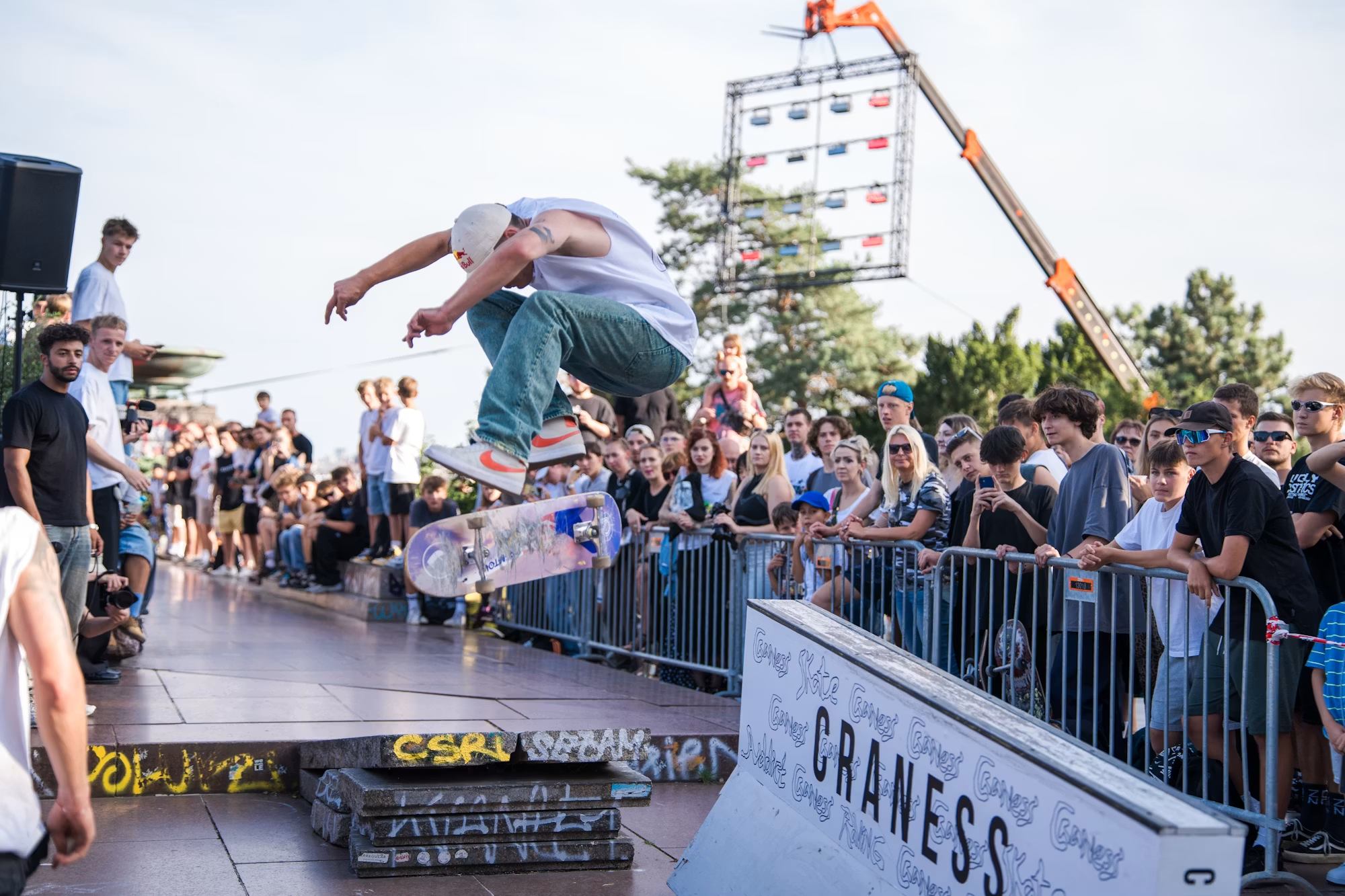
Street skateboarding is characterized by its emphasis on creativity and technical skill. Skaters navigate urban environments, performing tricks on curbs, stairs, benches, and handrails. This style allows riders to showcase their individuality, as each skater approaches obstacles in their unique way. Iconic tricks like the ollie, kickflip, and grind are foundational to street skating, requiring precision, balance, and a touch of flair. The culture surrounding street skating promotes camaraderie, with skaters often sharing tips and encouraging each other during sessions.

In contrast to street skating, vert skateboarding focuses on aerial tricks performed in halfpipes and ramps. This style originated in empty swimming pools, where skaters discovered the thrill of soaring high above the ground. Vert skating emphasizes high-speed maneuvers and gravity-defying tricks, such as spins, flips, and grabs. The experience of launching off a ramp and performing tricks in mid-air creates an adrenaline rush that is hard to match. Over the years, vert skating has produced some of the most iconic moments in skateboarding history, showcasing the incredible skills of riders who push the limits of what is possible.

Bowl riding, a close relative of vert skating, emphasizes fluid movement through bowl-shaped structures. Skaters carve through the transitions of a bowl, linking tricks together in a seamless flow. This style fosters a sense of connection with the environment, as skaters use the contours of the bowl to their advantage. The experience of riding a bowl is not just about executing tricks; it is about feeling the rhythm and flow of the ride. Bowl riding has become a staple in many skateparks, drawing skaters of all skill levels to experience its unique challenges and rewards.

Freestyle skateboarding offers a different approach, focusing on tricks executed on flat surfaces. This discipline highlights balance, style, and technical prowess, as skaters perform intricate footwork, spins, and combinations. Freestyle has its origins in the early days of skateboarding, when riders sought to combine elements of dance and gymnastics into their routines. Many freestyle skaters develop signature moves that reflect their personal style, allowing them to express themselves creatively through their performances.

Longboarding, a variation of traditional skateboarding, emphasizes cruising and carving. Longboards are typically longer and wider than standard skateboards, providing a more stable ride. This style encourages leisurely rides along scenic paths and downhill runs, capturing the essence of freedom and exploration. Longboarding is not just about speed; it’s also about the joy of gliding smoothly over pavement. The exhilarating experience of downhill longboarding, where riders race down steep hills, adds an element of adventure, requiring skill and confidence to navigate challenging terrain.

Slalom skateboarding introduces a competitive aspect, as riders weave through a series of cones in a timed course. This style emphasizes agility, precision, and quick reflexes, challenging skaters to maintain speed while navigating tight turns. Slalom competitions showcase incredible talent, with riders demonstrating their ability to execute sharp maneuvers with finesse. This discipline highlights the technical side of skateboarding, allowing participants to showcase their dedication and skill in a competitive environment.

As skateboarding continues to grow, its culture has become increasingly inclusive. The sport now welcomes individuals from diverse backgrounds, ages, and abilities. Adaptive skateboarding has emerged as a significant movement, empowering people with disabilities to engage in the sport. Organizations and initiatives focused on adaptive skateboarding are breaking down barriers and creating opportunities for everyone to experience the joy of riding. This commitment to inclusivity reflects the core values of skateboarding culture, emphasizing community and support.

The global skateboarding community thrives on collaboration and shared passion. Local skateparks serve as gathering places where skaters of all levels come together to practice, learn, and socialize. These environments foster friendships and mentorship, encouraging newcomers to embrace the sport. Events and competitions further strengthen these bonds, providing platforms for riders to showcase their talents while celebrating their shared love for skateboarding. The spirit of camaraderie is palpable, as skaters cheer each other on, fostering an encouraging atmosphere.

In addition to its vibrant community, skateboarding has significantly impacted fashion and music. The skateboarding aesthetic, characterized by casual clothing and distinctive footwear, has become a prominent trend in contemporary culture. Skaters express their individuality through their style, with brands collaborating with artists to create unique apparel and gear that resonate with the culture. Similarly, music has played an integral role in skateboarding, with genres like punk rock and hip-hop serving as anthems for riders. Many skaters find inspiration in music, using it to fuel their creativity and enhance their experiences.

Looking toward the future, skateboarding is poised for continued evolution and growth. The fusion of styles and the emergence of new disciplines will shape the sport, inviting riders to express themselves and push the boundaries of what is achievable on a skateboard. As the skateboarding culture evolves, it will continue to encourage innovation and creativity, ensuring that the sport remains vibrant and relevant.

In conclusion, skateboarding is a rich and multifaceted culture that celebrates individuality, creativity, and community. The diverse styles within the sport highlight the unique expressions of skaters around the world. As the community continues to expand and evolve, it remains dedicated to inclusivity, ensuring that skateboarding is accessible to all. Each ride contributes to a vibrant legacy that honors the spirit of skateboarding, fostering a sense of belonging among riders everywhere.

Exploring the Best Snowboarding Destinations Around the World

Snowboarding is a sport that thrives on adventure, and there’s no better way to experience its full thrill than by exploring some of the best snowboarding destinations around the world. Whether you’re a seasoned pro looking for challenging terrain or a beginner eager to learn on gentle slopes, the world offers an incredible array of snowboarding resorts and backcountry locations that cater to all types of riders. This article will take you through some of the top snowboarding spots, highlighting what makes them special and what you can expect from each place.

1. Whistler Blackcomb, Canada
Nestled in the stunning Coast Mountains of British Columbia, Whistler Blackcomb is one of the largest and most popular ski resorts in North America, offering some of the best snowboarding in the world. With over 8,000 acres of terrain, Whistler Blackcomb has something for every type of rider—from beginner-friendly slopes to expert-level runs that will test even the most experienced snowboarders.

The resort boasts an impressive snowpack and receives an average of 11.5 meters (37 feet) of snow each year, making it a prime destination for powder enthusiasts. Whistler’s terrain parks are legendary, with a variety of features, including jumps, rails, and halfpipes that attract freestyle riders from all over the globe. Whether you’re hitting the slopes during the day or enjoying the vibrant après-ski scene in the village, Whistler Blackcomb offers a top-notch snowboarding experience.

Why It’s Great
– Extensive terrain for all skill levels
– Reliable snowfall and powder conditions
– Renowned terrain parks and freestyle options
– Excellent après-ski atmosphere and accommodations

2. Aspen, USA
Aspen is a world-renowned destination that offers a luxurious experience for snowboarders who want the perfect mix of top-tier slopes, upscale accommodations, and a lively atmosphere. Located in the Colorado Rockies, Aspen has four mountains, each offering unique challenges for snowboarders. Ajax Mountain, with its steep runs, is perfect for advanced riders, while Snowmass, the largest of the four, has plenty of beginner and intermediate terrain.

What sets Aspen apart is its blend of extreme terrain and scenic beauty. The snow quality is consistently excellent, and the resort boasts several terrain parks, including features for halfpipe and slopestyle events. After a day on the slopes, visitors can enjoy fine dining, shopping, and cultural events in the town of Aspen, making it a perfect blend of adventure and luxury.

Why It’s Great
– Four mountains with diverse terrain options
– Consistently good snow conditions
– Terrain parks for freestyle riders
– Upscale accommodations and après-ski activities

3. Zermatt, Switzerland
Located at the foot of the iconic Matterhorn, Zermatt is a premier snowboarding destination in the heart of the Swiss Alps. What makes Zermatt particularly unique is its year-round snowboarding availability, thanks to the resort’s glacier terrain. This makes it an excellent option for snowboarders who want to experience snowboarding in summer or autumn when many other resorts are closed.

Zermatt is also famous for its high-altitude terrain, which offers deep powder conditions and breathtaking views. The resort spans across the Swiss-Italian border, giving riders access to a variety of slopes, from gentle beginner areas to challenging black runs. Zermatt’s snowboarding environment is less crowded than other major European resorts, providing a more serene and picturesque snowboarding experience.

Why It’s Great
– Year-round snowboarding on glacier terrain
– Scenic views of the Matterhorn
– High-altitude slopes with deep powder conditions
– More tranquil and uncrowded than many other European resorts

4. Niseko, Japan
For those seeking the best powder snow in the world, Niseko in Japan is a must-visit destination. Located on the island of Hokkaido, Niseko is renowned for its light, fluffy powder that attracts snowboarders from all over the globe. The resort boasts a variety of slopes suitable for all levels, including wide, open powder fields and challenging tree runs that will thrill advanced riders.

What makes Niseko especially appealing is the unique riding culture. The Japanese hospitality is unparalleled, and the resort’s après-ski scene offers a mix of local cuisine, onsens (hot springs), and a cozy atmosphere. Niseko also boasts vibrant nightlife, so after a long day of riding, snowboarders can enjoy everything from relaxed bars to lively clubs.

Why It’s Great
– World-famous powder snow
– Diverse terrain for all skill levels
– Exceptional Japanese hospitality and après-ski experiences
– Nightlife and cultural experiences in the surrounding town

5. St. Anton, Austria
Known for its challenging terrain and vibrant après-ski scene, St. Anton in Austria is a premier snowboarding destination for those seeking adventure. Situated in the Tyrolean Alps, St. Anton offers over 300 kilometers of skiable terrain, with a significant portion suitable for snowboarders. While the resort is known for its steep slopes and off-piste terrain, there are plenty of runs for intermediate riders to enjoy as well.

St. Anton’s après-ski reputation is legendary, with lively bars, chalets, and restaurants that make it a popular destination for party-loving snowboarders. The resort’s combination of challenging snowboarding terrain, deep powder, and exciting social scene makes it a favorite among advanced and expert riders.

Why It’s Great
– Challenging terrain for advanced and expert riders
– Over 300 kilometers of skiable terrain
– Legendary après-ski scene with lively nightlife
– Beautiful alpine scenery and charming village atmosphere

6. Banff and Lake Louise, Canada
Located in the heart of the Canadian Rockies, Banff and Lake Louise are iconic snowboarding destinations that offer a mix of stunning scenery, great snow conditions, and a variety of terrain. The resorts here—Banff Sunshine, Lake Louise Ski Resort, and Mount Norquay—boast incredible backcountry terrain and a wide range of groomed runs suitable for all levels of snowboarders.

The views of the surrounding mountains and pristine forests are some of the most beautiful in North America. For those looking for a more relaxed experience, the resorts provide a range of beginner-friendly terrain, while the more advanced riders can explore the extensive backcountry. Banff itself is a picturesque town with plenty of dining, shopping, and sightseeing options, making it an ideal destination for both snowboarders and non-riders alike.

Why It’s Great
– Incredible backcountry terrain and spectacular mountain views
– Resorts suitable for all levels of riders
– Picturesque Banff town with plenty of activities
– Reliable snowfall and good snow conditions

7. Vail, USA
Vail, Colorado, is another top snowboarding destination that consistently ranks among the best in the world. Known for its vast terrain, world-class amenities, and high-end accommodations, Vail is an iconic resort that attracts snowboarders of all abilities. With over 5,000 acres of skiable terrain, there’s plenty to explore, including well-maintained groomed runs, powder-filled bowls, and challenging terrain parks.

Vail is especially popular with freestyle snowboarders due to its extensive terrain parks, which are home to a wide variety of features and jumps. The resort also offers plenty of options for those who prefer to ride the more natural terrain, including wooded areas and open bowls. With an emphasis on family-friendly experiences and top-tier service, Vail is a great destination for snowboarders looking for a combination of adventure and luxury.

Why It’s Great
– Vast terrain and a variety of runs for all levels
– Excellent terrain parks for freestyle riders
– High-end accommodations and world-class amenities
– Family-friendly atmosphere and great snow conditions

Conclusion
From the legendary powder of Niseko to the luxurious slopes of Aspen, the world’s best snowboarding destinations offer something for everyone. Whether you’re an experienced rider seeking challenging terrain or a beginner looking for smooth, welcoming slopes, these resorts have you covered. With world-class snowboarding, stunning mountain views, and plenty of après-ski activities, these destinations provide an unforgettable experience for anyone who loves the thrill of snowboarding. So pack your bags, grab your board, and get ready to explore the best that the snowboarding world has to offer!

Exploring the World of Surfing: Techniques, Styles, and Community

Surfing is more than just a sport; it’s a way of life that embodies freedom, adventure, and a deep connection to nature. From the exhilarating rush of catching a wave to the serene moments spent waiting for the perfect swell, surfing offers a unique blend of excitement and tranquility. In this article, we will explore various surfing techniques and styles, the rich culture that surrounds them, and the community that forms around the shared love of the ocean.

The Basics of Surfing
At its core, surfing involves riding waves on a surfboard. This seemingly simple act requires a combination of balance, skill, and understanding of ocean dynamics. Surfers must learn to read the waves, understanding how they break and the conditions that create ideal surfing situations. This foundational knowledge is crucial for any surfer, whether a novice or an expert.

Understanding Ocean Dynamics
The ocean is a complex environment influenced by numerous factors. Waves are created by wind patterns, the shape of the ocean floor, and tidal movements. Understanding these elements helps surfers select the right location and time to catch waves. For instance, beach breaks tend to offer more consistent and forgiving waves, making them ideal for beginners, while reef breaks can present powerful and challenging conditions for experienced surfers.

The Role of Surfboards
Choosing the right surfboard is pivotal in enhancing a surfer’s experience. Surfboards vary in size, shape, and material, with each design catering to different styles and conditions. For example, shortboards are typically 5 to 6.5 feet long, allowing for quick turns and dynamic maneuvers, perfect for aggressive surfing styles. In contrast, longboards, often 9 feet or more, offer stability and allow for graceful movements such as noseriding and cross-stepping. Selecting the appropriate board can significantly impact a surfer’s performance and enjoyment on the waves.

Surfing Styles: A Rich Tapestry
Surfing is characterized by a variety of styles, each with unique techniques and cultural significance. This diversity enriches the sport and offers surfers numerous ways to express themselves on the water.

Shortboarding: Speed and Agility
Shortboarding is the most widely practiced form of surfing, known for its quick turns and aerial maneuvers. Surfers using shortboards thrive on speed and precision, often competing in dynamic events that showcase their skills. The evolution of shortboarding has been influenced by advances in technology, allowing for lighter and more maneuverable boards that enable surfers to push the limits of their performance.

Longboarding: The Art of Flow
Longboarding, in contrast, embraces a more relaxed and artistic approach to surfing. Longboarders often focus on smooth, flowing movements that reflect a deep connection to the ocean. This style is characterized by classic maneuvers, such as walking to the nose of the board or performing graceful turns. Longboarding encourages a meditative experience on the waves, where surfers can appreciate the beauty of the ocean while showcasing their creativity.

Big Wave Surfing: The Ultimate Challenge
Big wave surfing represents the pinnacle of the sport, involving the pursuit of massive waves that can exceed 20 feet in height. Surfers in this discipline are required to possess not only exceptional skill but also a profound respect for the ocean’s power. Specially designed boards and safety equipment are essential for tackling these enormous waves, and surfers often undergo rigorous training to prepare for the unique challenges they present. The camaraderie among big wave surfers fosters a strong sense of community, as they share tips and experiences, celebrating their passion for the ocean.

Stand-Up Paddleboarding (SUP): Versatility and Accessibility
Stand-Up Paddleboarding (SUP) has gained immense popularity as an accessible way to enjoy the water. Surfers stand on larger boards and use paddles to navigate various environments, from calm lakes to ocean waves. SUP promotes fitness and exploration, allowing individuals to engage with the ocean in a relaxed manner. Its inclusive nature has attracted a diverse audience, enabling many to experience the joy of being on the water.

Bodyboarding: Fun Close to the Shore
Bodyboarding, or boogie boarding, offers a different approach to riding waves. Surfers lie on smaller, rectangular boards and catch waves closer to the shore, allowing for exciting spins, rolls, and aerial tricks. Bodyboarding is particularly popular among beginners due to its accessibility and fun factor. This style emphasizes creativity and playfulness, appealing to individuals of all ages.

Tandem Surfing: A Beautiful Partnership
Tandem surfing involves two surfers riding a single board together, showcasing the beauty of teamwork and trust. This unique discipline highlights the connection between partners as they perform synchronized movements and tricks. Tandem surfing requires excellent communication and coordination, transforming each ride into a collaborative performance that captivates onlookers. Competitions dedicated to tandem surfing showcase the artistry and skill involved, further enriching the surfing culture.

The Cultural Significance of Surfing
Surfing is deeply intertwined with culture, reflecting the values and experiences of those who practice it. The sport fosters community, promotes environmental awareness, and shapes a lifestyle centered around adventure and exploration.

Community and Camaraderie
The surf community is characterized by a strong sense of camaraderie among surfers. From local surf clubs to global events, surfers often come together to share knowledge, experiences, and support one another. This spirit of community fosters lasting friendships, as individuals bond over their shared passion for the ocean. Events like surf contests and beach clean-ups create opportunities for social interaction, allowing surfers to connect both on and off the water.

Environmental Stewardship
Many surfers are advocates for ocean conservation, recognizing the importance of protecting marine ecosystems. The surf community often engages in initiatives aimed at raising awareness about pollution and climate change. Beach clean-ups, educational programs, and fundraising events are just a few examples of how surfers work to safeguard the environment they cherish. This commitment to stewardship reflects a deep respect for the ocean and the desire to preserve its beauty for future generations.

The Influence of Surfing on Lifestyle
For many, surfing is not just a hobby; it’s a way of life that influences daily choices and priorities. Surfers often embrace a laid-back and adventurous lifestyle, seeking opportunities to ride waves and connect with nature. The thrill of catching a wave, the beauty of the ocean, and the sense of freedom it brings are integral to a surfer’s identity. This lifestyle promotes mindfulness, encouraging individuals to appreciate the present moment and the natural world around them.

Surfing in Popular Culture
Surfing has left an indelible mark on popular culture, influencing fashion, music, and art. Iconic surf brands reflect the spirit of the sport, while films and documentaries capture the excitement and beauty of riding waves. Music genres like surf rock have emerged, celebrating the culture and lifestyle associated with surfing. The imagery of surfers gliding over waves has become synonymous with adventure and freedom, inspiring generations to embrace the ocean’s magic.

Conclusion
Surfing is a multifaceted sport that encompasses a rich history, diverse styles, and a vibrant culture. From the adrenaline of shortboarding to the elegance of longboarding, each discipline offers a unique perspective on the waves. The sense of community that develops among surfers fosters friendship, environmental awareness, and a deep connection to the ocean. As surfing continues to evolve, it invites individuals from all walks of life to experience the joy of riding waves and the beauty of the natural world. Whether you’re a seasoned surfer or just beginning your journey, the ocean awaits with endless opportunities for adventure and connection.